

Did you know that in the UK, working smoke alarms can cut the risk of fire fatalities by over 50%? As we approach 2026, both regulations and technology for home fire safety are advancing rapidly, making it vital to stay informed.
Understanding smoke alarm installation cost is more important than ever, especially with new legislation and smarter alarm options entering the market.
This guide will break down what UK homeowners and property managers should expect to pay for smoke alarm installation cost in 2026. You will discover a clear overview of alarm types, updated cost breakdowns, key installation factors, the pros and cons of professional versus DIY fitting, and practical money-saving tips.
Read on for expert advice that will help you budget with confidence, meet legal requirements, and keep your home or property safe.
Smoke Alarm Types and Their Costs in 2026
Understanding the range of smoke alarms available in 2026 is key to making informed decisions and managing your smoke alarm installation cost. With evolving regulations and innovative features, UK homeowners face more options than ever before.
Overview of Smoke Alarm Categories
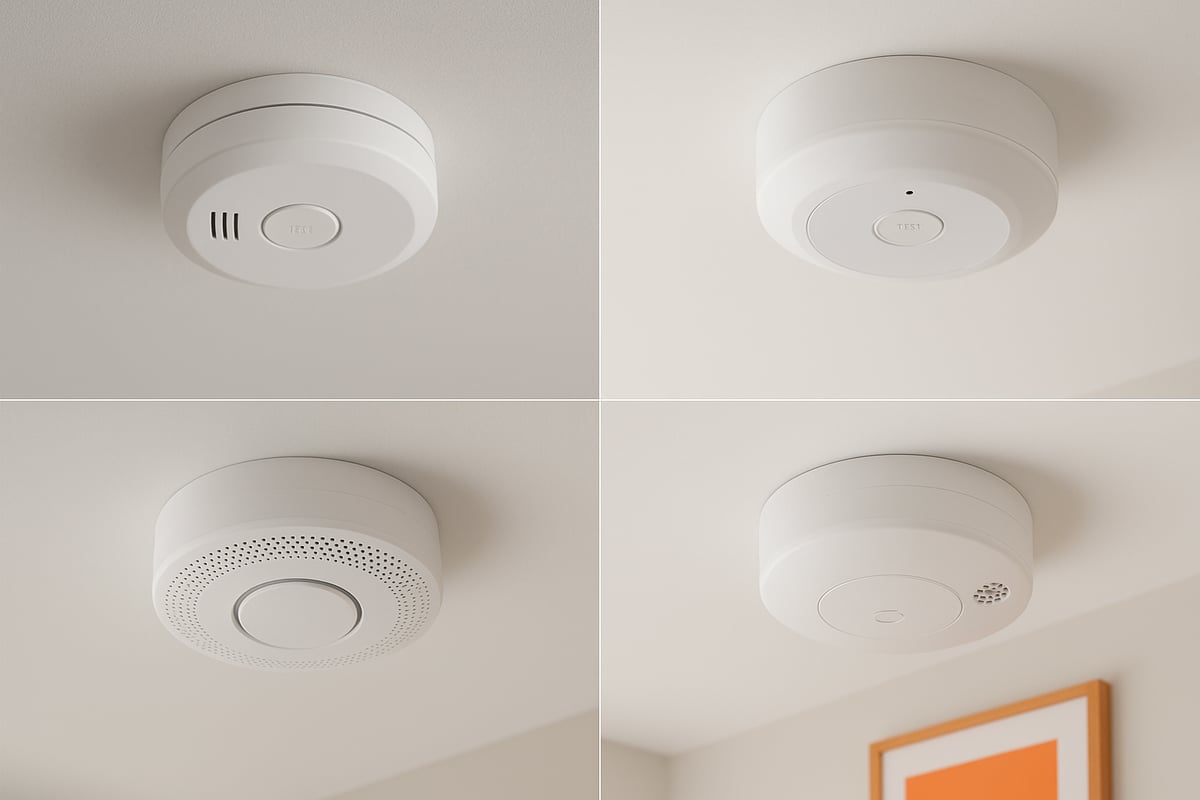
The landscape for smoke alarms in 2026 features a variety of categories, each with unique detection methods and compliance requirements. Ionisation alarms are sensitive to fast-flaming fires, while optical (photoelectric) alarms excel at detecting slow, smouldering fires. Heat alarms are best for kitchens and garages, as they react to rapid temperature changes rather than smoke particles.
Combination alarms integrate smoke, heat, and often carbon monoxide sensors, offering enhanced protection. When considering smoke alarm installation cost, it is important to factor in power sources: battery-powered alarms (often with sealed 5 or 10-year batteries), mains-powered units, and increasingly popular smart alarms with WiFi connectivity for remote alerts.
Interlinked alarms, which communicate with each other throughout the property, are highly recommended for compliance with the latest British Standards. Look for Kitemark certification to ensure your alarms meet UK safety expectations. Prices in 2026 are influenced by technology upgrades and stricter regulations. For a comprehensive understanding of system types and compliance, visit Types of fire systems explained.
Price Breakdown by Alarm Type
The cost of smoke alarms varies significantly by type and technology, directly impacting the overall smoke alarm installation cost. Below is a snapshot of average unit prices in 2026:
| Alarm Type | Average Price (2026) | Battery Life | Typical Use |
|---|---|---|---|
| Battery-Powered | £10 – £15 | 5–10 years | Flats, small homes |
| Mains-Powered | £10 – £20 | N/A (wired) | Houses, HMOs |
| Smart Alarms | £50 – £150 | 10 years | Large, tech-enabled |
| Interlinked (wired) | £15 – £25 | 10 years | Multi-storey, HMOs |
| CO/Heat Alarms | £20 – £60 | 7–10 years | Kitchens, garages |
Bundled packs, such as a set of five interlinked alarms, can lower the per-unit price, making them a cost-effective choice for larger properties. Battery life is another key factor: a 10-year sealed battery may command a higher initial price but offers better long-term value and reduces maintenance frequency.
Legislation in Scotland, England, and Wales may require specific alarm types or interlinked systems, affecting both the number and type of alarms needed. Data from 2025 competitor research confirms that most alarms fall within the £10–£150 range per unit, but smart and interlinked models are driving up the average smoke alarm installation cost.
Choosing the Right Alarm for Your Property
Selecting the best alarm system for your property is essential for both safety and compliance, as well as controlling your smoke alarm installation cost. Key considerations include the size and layout of your home, number of floors, occupancy level, and any unique risk factors such as open-plan living areas or high ceilings.
Landlords and property managers must pay close attention to insurance requirements and local regulations, which may stipulate interlinked alarms or specific models for HMOs and rental properties. For smaller flats, battery-powered alarms may suffice, while larger homes benefit from smart, WiFi-enabled systems that support remote monitoring.
Pros and cons vary: smart and interlinked alarms offer enhanced protection but come at a higher initial cost. DIY installation is possible for basic models, but professional advice is recommended for complex properties or to guarantee compliance ahead of 2026 regulatory deadlines. The trend towards interconnected and smart alarms continues to grow, reflecting both changing legislation and consumer demand for more robust fire safety solutions.
Professional Installation Costs Explained
Understanding the professional smoke alarm installation cost in 2026 is crucial for homeowners and property managers. Labour rates and overall job costs are evolving, influenced by new technology and stricter regulations. Below, we break down what you can expect to pay, what’s included in the service, key cost drivers, and typical installation challenges.
Average Installation Costs in 2026
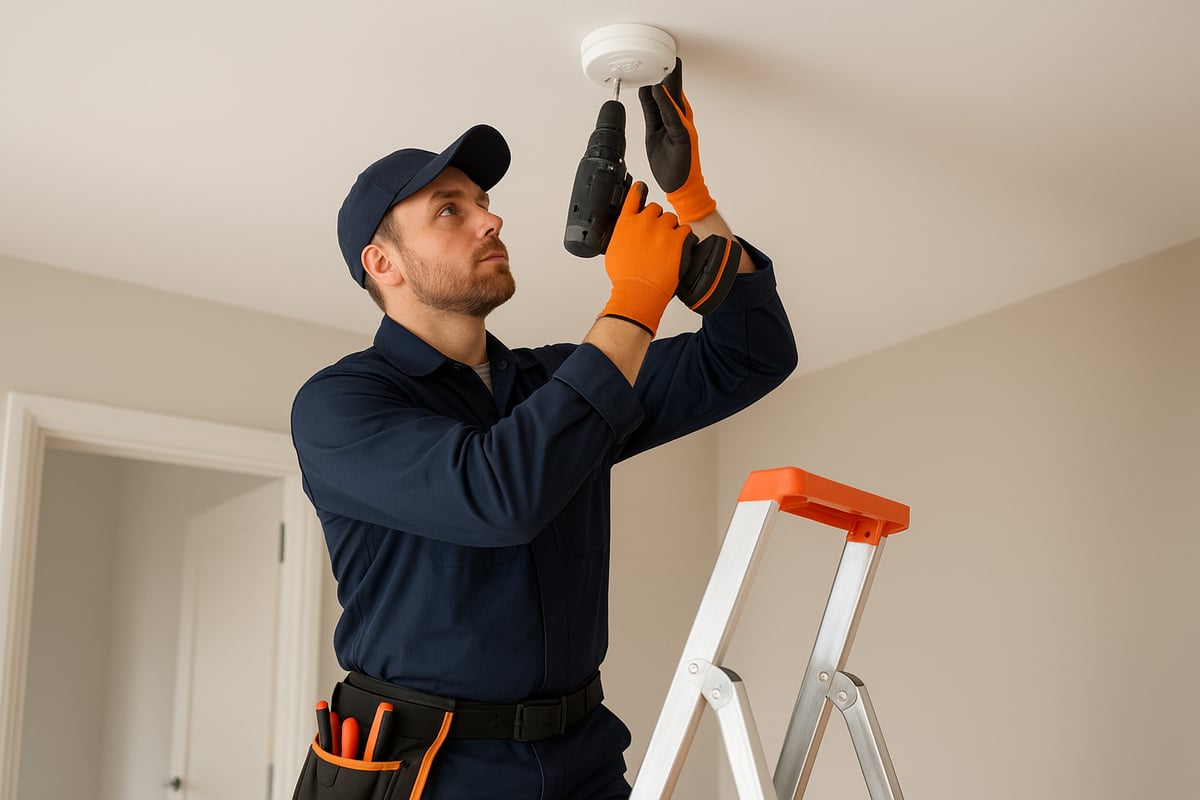
In 2026, the average smoke alarm installation cost will depend on several factors, including the type and number of alarms, property size, and system complexity. Labour rates typically range from £50 to £100 per hour. For most standard installations, total costs fall between £150 and £250, but complex projects can exceed this range.
For example, a three-bedroom house needing interlinked mains alarms may face higher costs than a one-bedroom flat with basic battery units. Regional variations are common, with London and the South East often commanding higher rates. Installers may also charge a call-out fee, usually £40 to £90.
Below is a quick comparison table:
| Installation Type | Typical Total Cost | Labour Hours | Notes |
|---|---|---|---|
| Battery-only, 1-bed flat | £150–£180 | 1–2 | Quick, minimal wiring |
| Mains interlinked, 3-bed home | £220–£300 | 2–3 | More wiring involved |
| Smart/interlinked, large home | £300+ | 3+ | Advanced integration |
For a more detailed breakdown, see this smoke alarm installation costs UK resource.
What’s Included in Professional Installation
A professional smoke alarm installation cost covers far more than simply fixing alarms to the ceiling. The service typically includes:
- Site survey and compliance assessment
- Placement planning for legal and optimal coverage
- Full wiring for mains/interlinked systems, secure mounting for battery units
- System testing and certification for insurance or legal purposes
- Demonstration of alarm operation and maintenance tips
- Safe removal and disposal of any old alarms
This comprehensive approach ensures your property meets the latest British Standards and is fully protected. Homeowners often find that professional installation saves time and reduces the risk of costly mistakes compared to DIY efforts.
Factors That Affect Installation Cost
Several factors can influence the final smoke alarm installation cost. The complexity of the system plays a major role, with smart or interlinked alarms requiring additional time and expertise. The number of units needed, as well as access issues such as high ceilings or multi-storey layouts, can add to the bill.
If additional electrical work or rewiring is necessary, this will increase costs. Integration with other fire safety systems, such as carbon monoxide or heat detectors, may also be required. Some properties, such as listed buildings, present unique accessibility challenges, while urgent or out-of-hours installations typically come at a premium.
For example, upgrading outdated wiring to meet 2026 compliance standards can add both time and expense but is essential for safety and legal reasons.
Common Installation Challenges and Solutions
Professional installers frequently encounter challenges during smoke alarm installation cost projects. False alarms can be avoided by careful placement away from kitchens and bathrooms. Reaching difficult areas, like stairwells or high ceilings, requires specialist equipment and experience.
Old or non-compliant wiring can delay installation, but experienced electricians can often retrofit new systems efficiently. Ensuring all alarms are correctly interlinked and tested is vital for compliance with new 2026 regulations. Navigating local authority requirements may also present hurdles, especially in older properties.
To minimise disruption, professionals plan installation around your schedule and use dust sheets and protective equipment to keep your home tidy throughout the process.
Professional vs DIY Smoke Alarm Installation
Choosing between DIY and professional installation is a crucial decision for anyone considering the smoke alarm installation cost in 2026. Both options have unique advantages, but the right choice depends on your property type, budget, and compliance needs.
DIY Installation: Pros, Cons, and Costs
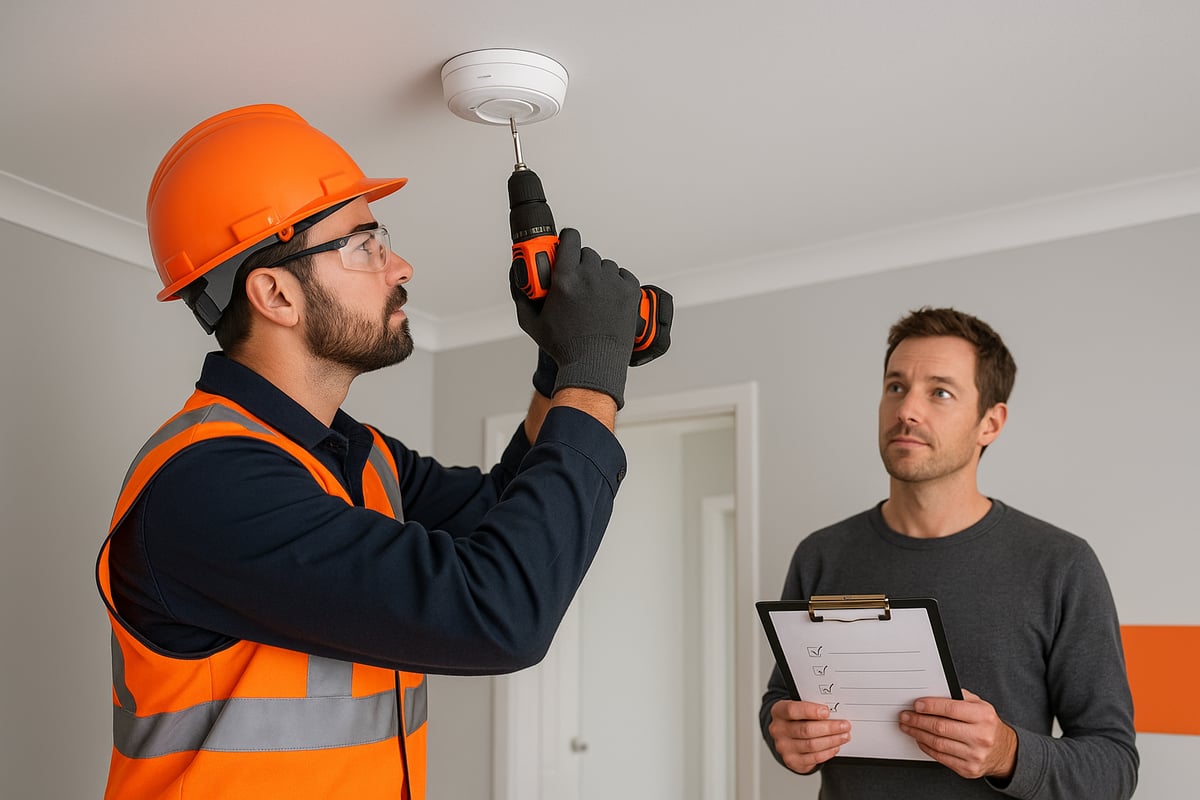
DIY smoke alarm installation appeals to many homeowners due to its straightforward process and lower smoke alarm installation cost. Battery-powered alarms are especially easy to fit, often taking less than 30 minutes per unit. This route cuts out labour charges, making it ideal for small flats or temporary setups.
However, there are trade-offs. DIY installation can lead to errors in placement or wiring, potentially resulting in unreliable alarm performance. Misplaced alarms may not comply with legal standards and could affect insurance claims. For mains-powered or interlinked systems, installation becomes more complex and time-consuming, often requiring 1 to 2 hours per device.
Consider whether saving on smoke alarm installation cost is worth the risk of missing compliance. DIY is best for simple setups where certification is not a necessity.
When to Hire a Professional Installer
For many property owners, hiring a professional is the safest route—especially when legal compliance and peace of mind are priorities. Professional installers ensure every alarm is correctly positioned, tested, and certified, which is essential for landlords, HMOs, and anyone needing to meet insurance requirements.
Complex systems, such as mains-powered, interlinked, or smart alarms, benefit from expert handling. Professionals can integrate alarms with other fire safety devices and provide documentation for regulatory compliance. If your property is large, multi-storey, or has unique access issues, professional installation minimises the risk of errors and future costs.
For a detailed look at what’s involved, the Fire protection installations guide offers insight into the benefits and process of professional installation.
How to Choose a Qualified Installer
Selecting the right installer is vital for controlling your smoke alarm installation cost and ensuring long-term safety. Always seek out electricians or contractors with relevant certifications, such as NICEIC, BAFE, or NSI Gold. Check reviews and ratings—recent data shows customer satisfaction scores of 4.9 out of 5 from thousands of UK clients.
Request multiple quotes to get the best value for your smoke alarm installation cost. Ask about guarantees, compliance with the latest regulations, and ongoing support for maintenance. For landlords or those with insurance requirements, confirm that the installer is recognised by local authorities or insurers.
Taking these steps ensures your installation is both cost-effective and fully compliant, giving you confidence in your property’s fire safety.
Key Steps in the Smoke Alarm Installation Process
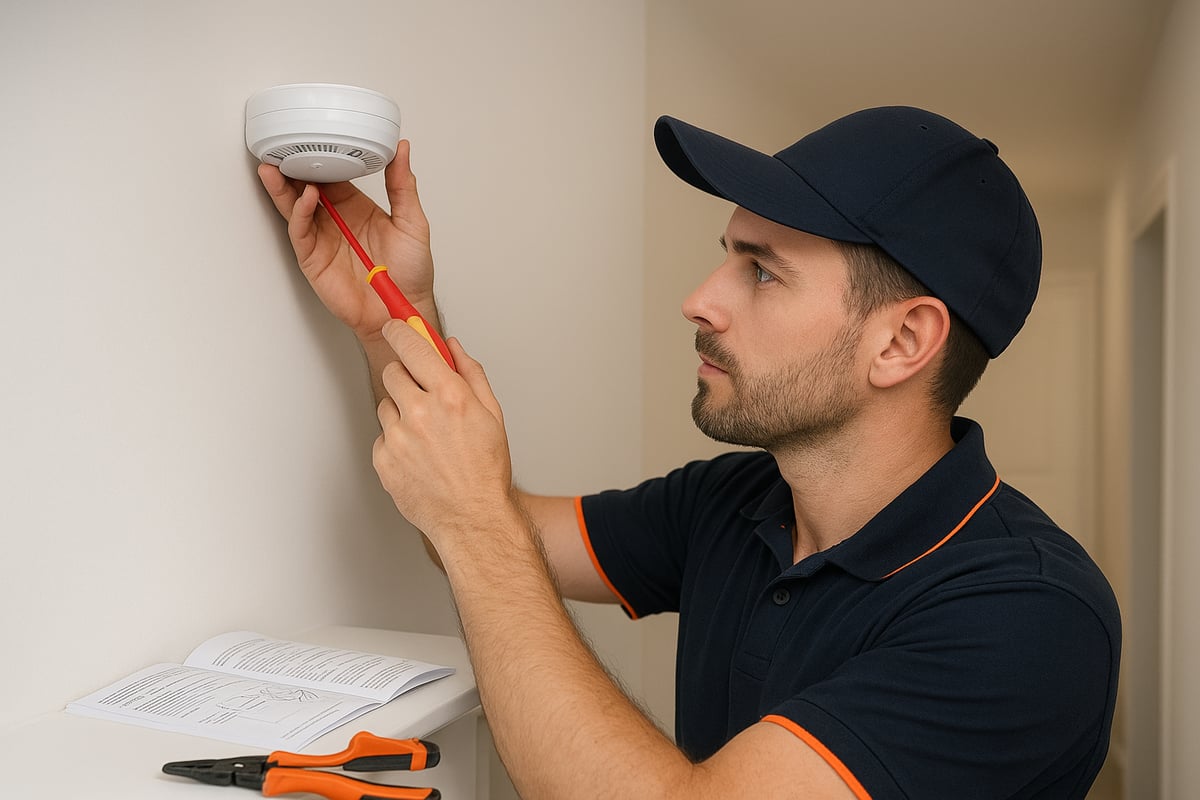
A successful smoke alarm installation process is built on careful planning and compliance with the latest safety standards. By following these steps, homeowners and property managers can ensure effective protection and manage their smoke alarm installation cost efficiently.
Step 1: Assessing Your Property’s Needs
Start by reviewing current legal requirements, especially as regulations are evolving for 2026. Identify high-risk areas such as kitchens, hallways, and bedrooms. Calculate how many alarms you need and which types are necessary for full coverage.
For example, Scottish law now mandates interlinked alarms in all homes. Consulting resources like the UK smoke alarm regulations 2026 can clarify compliance rules that impact your smoke alarm installation cost.
Consult a professional for complex layouts or larger properties to ensure every risk area is addressed.
Step 2: Selecting the Right Alarm System
Compare available alarm types based on your property’s needs and budget. Consider traditional battery units, mains-powered models, or advanced smart alarms for remote monitoring. Bundled packs can offer savings, making them attractive for larger homes.
Evaluate each option’s maintenance demands and compatibility with existing systems. For example, smart alarms can alert you via smartphone, adding convenience for larger or multi-occupancy properties. Always check manufacturer guidance and regulatory deadlines before purchasing.
Step 3: Planning Installation Layout
Map out optimal alarm placement to maximise coverage and minimise false alarms. Avoid placing alarms too close to kitchens or bathrooms where steam and cooking fumes are common. Ensure each alarm is easily accessible for ongoing maintenance.
For multi-storey homes, position alarms on every landing and in key corridors. Proper planning not only supports compliance but also helps control the overall smoke alarm installation cost by avoiding unnecessary units or poor placement.
Step 4: Installation and Testing
Decide whether to use a professional or attempt DIY installation. Securely mount each alarm and, when required, complete wiring and interlinking. Test each unit to confirm correct operation and integration with the system.
Professionals will certify the installation for insurance and legal compliance, providing peace of mind. Proper testing ensures all alarms activate together, a key feature for modern fire safety and a factor that can influence smoke alarm installation cost.
Step 5: Ongoing Maintenance and Compliance
Regular maintenance keeps your alarms functioning and your property compliant. Test alarms monthly, replace batteries as needed, and clean units to prevent dust build-up. Schedule annual professional inspections for mains or interlinked systems.
Keep records of all checks and replacements to demonstrate compliance for insurance purposes. Upgrading alarms as regulations or technology advance is crucial for safety and helps you avoid unexpected increases in smoke alarm installation cost.
Saving Money on Smoke Alarm Installation
With the right approach, you can keep your smoke alarm installation cost under control while ensuring your home remains safe and compliant. Planning ahead and understanding where savings can be made is key to avoiding unnecessary expenses.
Smart Ways to Reduce Costs Without Compromising Safety
There are several effective ways to reduce your smoke alarm installation cost without cutting corners on safety or compliance.
- Choose battery-powered or wireless alarms for smaller properties or tight budgets, as these are generally more affordable to install.
- Look for multi-pack deals or bundled offers, which often provide a lower per-unit price.
- Schedule installation during other electrical work to save on call-out fees.
- Plan upgrades or new installations during property renovations, when access is easier and costs can be shared.
- Compare multiple installer quotes to get the best value for your specific needs.
- Explore local authority grants or schemes that may subsidise installation costs for certain homeowners or landlords.
For landlords, reviewing a fire safety compliance costs 2025 guide can help with budgeting for both alarms and installation. Taking these steps ensures you meet legal requirements while keeping your smoke alarm installation cost manageable.
Avoiding Common Pitfalls That Increase Costs
Avoiding common mistakes is just as important as seeking savings when it comes to your smoke alarm installation cost.
- Do not over-specify by fitting more alarms than necessary, as this increases both product and labour costs.
- Always choose certified alarms that meet British Standards to avoid expensive non-compliance issues.
- Position alarms correctly to prevent frequent false alarms, which can result in costly call-backs or replacements.
- Do not delay necessary upgrades, as non-compliance with updated regulations can lead to fines or failed inspections.
- Be aware of the long-term value, not just the initial price; a quality alarm with a 10-year battery may cost more upfront but saves on replacement and maintenance.
By keeping these points in mind, you can control your smoke alarm installation cost and avoid unexpected expenses.
Frequently Asked Money-Saving Questions
Can I install smoke alarms myself to save on smoke alarm installation cost?
DIY is possible for battery models, but you may miss out on compliance certification and expert placement.
Are smart alarms worth the higher price?
Upfront costs are higher, but features like remote monitoring and longer lifespan can offer savings over time.
How often do alarms need replacing?
According to smoke alarm replacement guidelines, replace alarms every 10 years for safety and compliance.
Do insurers offer discounts for compliant systems?
Some do, but requirements vary—check with your provider for details.
What is the long-term cost comparison?
While professional installation increases the initial smoke alarm installation cost, it often ensures compliance and reduces risk of expensive mistakes over 10 years.
Frequently Asked Questions About Smoke Alarm Installation Costs
When planning for your smoke alarm installation cost, it is common to have questions about process, compliance, and how to keep expenses manageable. Here are expert answers to the most frequently asked queries from UK homeowners and landlords.
How long does installation take for different alarm types?
Installation time depends on both the alarm type and property layout, directly impacting your smoke alarm installation cost. Here is a comparison:
| Alarm Type | DIY Install | Professional Install |
|---|---|---|
| Battery-powered | 15–30 mins | 10–20 mins |
| Mains-powered | 1–2 hours | 30–60 mins |
| Interlinked/Smart | 1–3 hours | 45–90 mins |
Complex systems and larger properties can increase time and cost.
Which type of smoke alarm is best for my home?
The best option for your smoke alarm installation cost depends on your property size, layout, and risk profile. Battery alarms suit small flats, while mains or interlinked alarms are better for houses and HMOs. Smart alarms provide remote monitoring, ideal for larger homes or tech-savvy owners.
Where should (and shouldn’t) alarms be installed?
Install smoke alarms in hallways, landings, and living areas, away from bathrooms or kitchens to avoid false alarms. Proper placement is vital for both safety and compliance. Incorrect locations can increase your smoke alarm installation cost due to unnecessary call-backs or failed inspections.
What challenges can increase installation costs?
Common issues include hard-to-reach ceilings, old wiring, or the need to integrate with other fire safety systems. Upgrading wiring for 2026 regulations or retrofitting interlinked alarms in older buildings can also raise your smoke alarm installation cost.
Do I need to upgrade my alarms for 2026 compliance?
Yes, updated UK and devolved nation regulations may require newer, interlinked, or certified alarms. Staying compliant helps you avoid fines and keeps your insurance valid. For ongoing requirements, see fire alarm system inspections for guidance on legal checks.
Are there grants or financial support for landlords or homeowners?
Some local authorities offer grants or schemes to offset smoke alarm installation cost, especially for vulnerable groups or social housing. Check with your council, as support varies by region.
How can I ensure ongoing compliance and avoid fines?
Test alarms monthly, schedule annual professional checks, and keep records of all installations. Following British Standards and regular inspection advice helps maintain compliance and control your smoke alarm installation cost over time.
As you plan your smoke alarm installation for 2026, it’s clear that getting the right system in place is about more than just ticking a box—it’s about protecting lives, meeting evolving regulations, and ensuring peace of mind. Whether you’re a homeowner or managing a portfolio of properties, the right guidance can make all the difference when budgeting and staying compliant. If you’d like expert advice tailored to your building and the latest legal requirements, you can arrange a no obligation assessment with Logic Fire and Security. Take the first step and Get a Free Site Survey to make sure your property is properly protected.