


Protecting commercial premises from unauthorised access remains a critical priority for businesses across the United Kingdom. An intruder alarm system serves as the first line of defence against burglary, theft, and trespassing, providing immediate alerts and deterrence when perimeter or interior zones are breached. With crime patterns evolving and insurance requirements tightening, understanding the technology, compliance standards, and operational best practices surrounding these systems has become essential for facility managers, security directors, and business owners alike.
Understanding Intruder Alarm System Architecture
Modern security installations rely on integrated components working in concert to detect, verify, and respond to threats. The fundamental architecture of an intruder alarm system comprises detection devices, control equipment, signalling pathways, and monitoring interfaces.
Core Components and Their Functions
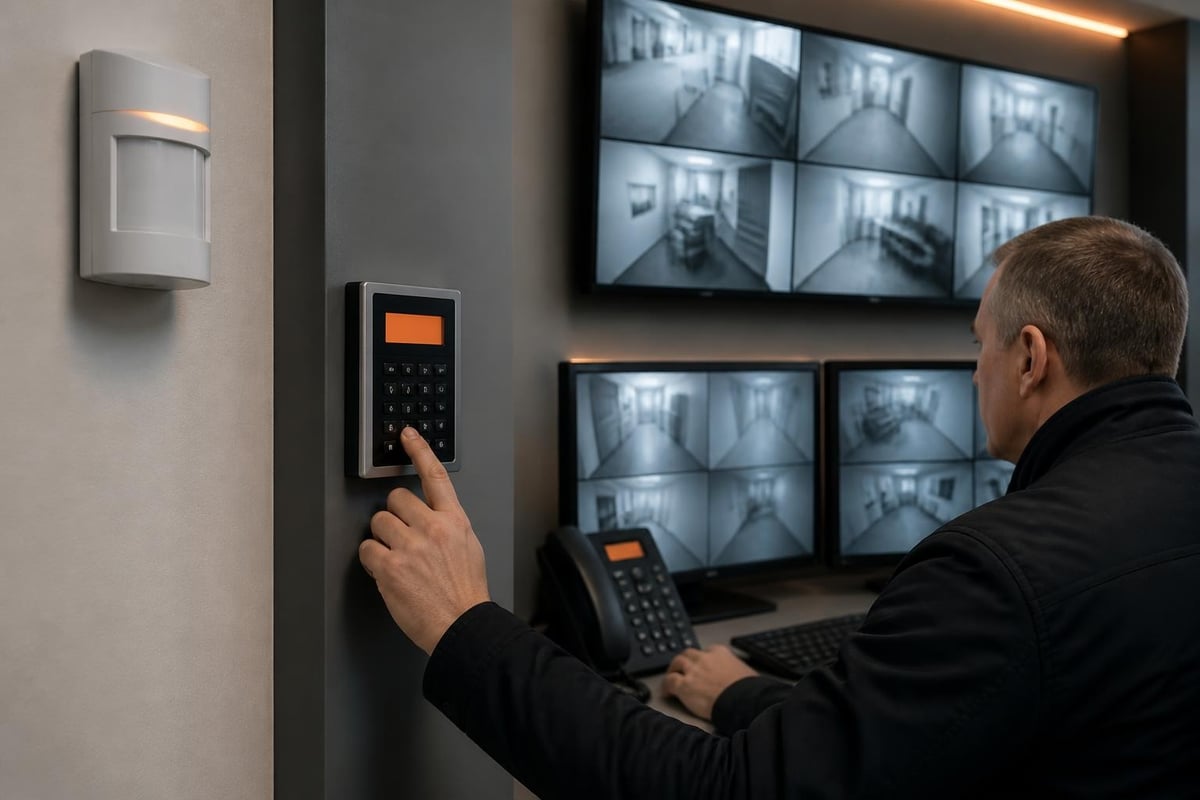
Detection devices form the sensing layer of any intruder alarm system. Passive infrared (PIR) sensors detect heat signatures and movement within defined zones, whilst magnetic door contacts monitor the opening and closing of entry points. Glass break detectors recognise the acoustic signature of breaking glass, and dual-technology sensors combine PIR and microwave detection to minimise false activations.
The control panel serves as the system’s brain, processing signals from all connected sensors and executing programmed responses. Modern panels support multiple user codes, zone partitioning for large facilities, and communication protocols that integrate with commercial alarm monitoring services. These units maintain event logs, manage user permissions, and coordinate signalling to central monitoring stations.
| Component Type | Primary Function | Typical Coverage |
|---|---|---|
| PIR Motion Sensors | Heat/movement detection | 12m range, 90° field |
| Door Contacts | Entry point monitoring | Single door/window |
| Glass Break Detectors | Acoustic event detection | 7.5m radius |
| Vibration Sensors | Physical attack detection | Single panel/structure |
| Control Panel | System coordination | Entire facility |
Signalling pathways transmit alarm conditions to monitoring centres and designated personnel. Traditional telephone line connections have largely been superseded by IP-based communication, cellular backup, and dual-path signalling that enhances reliability and resistance to sabotage.
Detection Technologies and Placement Strategy
Effective perimeter and interior protection requires understanding sensor capabilities and environmental factors. The selection and positioning of detection devices determines system performance, false alarm rates, and coverage gaps.
Perimeter Protection Considerations
External detection creates the first barrier against unauthorised access. Boundary sensors mounted on fencing or walls detect climbing or cutting attempts, whilst beam detectors create invisible barriers across driveways, loading bays, and vulnerable approach routes. Weather resistance, wildlife activity, and vegetation growth must be factored into outdoor sensor selection.
Entry point monitoring through magnetic contacts provides reliable detection with minimal false activations when properly installed. High-security applications benefit from balanced magnetic contacts that detect tampering attempts and employ encryption to prevent electronic bypass. For facilities handling valuable inventory or sensitive data, multi-point detection on the same door or window adds redundancy.
Interior space protection layers additional detection throughout the building. Motion sensors positioned in corridors, storage areas, and offices create overlapping zones that track movement patterns. Ceiling-mounted 360-degree sensors suit open-plan environments, whilst wall-mounted units provide targeted coverage in rooms with defined traffic flows.
Strategic placement principles include:
- Positioning sensors to cover all likely approach paths
- Avoiding direct sunlight, heating vents, and air conditioning outlets
- Maintaining clear fields of view without obstruction
- Installing at manufacturer-specified heights for optimal detection
- Creating layered zones that allow progressive response
The commercial intruder alarm systems deployed across warehouses, offices, and industrial facilities demonstrate how tailored sensor selection addresses specific risk profiles and operational requirements.
Central Monitoring and Response Protocols
Remote supervision transforms an intruder alarm system from a local alert device into a comprehensive security management platform. Professional monitoring centres provide 24/7 oversight, alarm verification, and coordinated emergency response.
Monitoring Station Capabilities
Accredited central stations receive, interpret, and action alarm signals according to pre-defined protocols. UL-certified monitoring centres meet rigorous standards for redundancy, operator training, and facility security. These stations maintain dual communication paths with protected premises, ensuring alarm signals reach operators even if primary connections fail.
Upon receiving an alarm, trained operators follow verification procedures that reduce false dispatches whilst maintaining rapid response to genuine emergencies. Video verification systems allow operators to view live footage from the alarm zone, confirming the nature of the activation before contacting keyholders or emergency services. Audio verification enables operators to listen for breaking glass, voices, or other indicators of intrusion.

Escalation procedures ensure appropriate responses to different alarm types. Perimeter activations during business hours might trigger a notification to on-site security, whilst after-hours interior activations initiate immediate police or private security dispatch. Sequential call lists contact multiple personnel until acknowledgment is received, preventing situations where alarms go unaddressed due to unavailability.
| Verification Method | Response Time | False Alarm Reduction | Best Application |
|---|---|---|---|
| Audio Verification | 30-60 seconds | 85-90% | Interior spaces with ambient sound |
| Video Verification | 45-90 seconds | 90-95% | Critical zones with CCTV coverage |
| Sequential Confirmation | 2-5 minutes | 70-80% | Low-risk areas, budget installations |
| Guard Response | 15-30 minutes | 95%+ | High-value sites requiring physical verification |
False Alarm Prevention and Management
Nuisance activations undermine system effectiveness and strain relationships with emergency responders. According to research on false alarm impacts, the overwhelming majority of alarm activations prove to be non-emergency events, consuming police resources and potentially incurring fines for businesses.
Engineering Solutions to Reduce False Activations
Proper installation eliminates many common causes of false alarms. Sensors installed in unstable environments, near heat sources, or with insufficient mounting stability generate spurious activations. Environmental compensation features in modern detectors automatically adjust sensitivity thresholds based on ambient temperature, reducing activations from heating system cycling or seasonal changes.
Dual-knock verification requires two separate sensors to activate within a defined time window before transmitting an alarm signal. This approach dramatically reduces false alarms from isolated sensor glitches whilst maintaining rapid detection of genuine intrusions that trigger multiple zones. Cross-zoning programming extends this concept, requiring specific sensor combinations before signalling.
User education addresses the most common source of false alarms: operator error. Comprehensive training ensures staff understand arming procedures, entry/exit timing, and duress protocols. Clear instructions posted at keypads reduce mistakes during high-turnover periods or when temporary staff access secured areas.
Maintenance schedules prevent degradation-related false alarms:
- Quarterly sensor cleaning to remove dust and debris
- Semi-annual battery testing for wireless components
- Annual professional inspection of all detection devices
- Immediate investigation of any unexplained activations
- Documentation of all service activities for compliance
The False Alarm Reduction Association’s guidance provides frameworks for implementing false alarm prevention programmes, including best practices for installation standards, user training, and enhanced call verification procedures that balance security with responsible resource utilisation.
Integration with Broader Security Infrastructure
Contemporary intruder alarm system deployments function as nodes within larger security ecosystems. Integration with access control, video surveillance, and building management systems creates force multiplication effects that enhance protection whilst improving operational efficiency.
Access Control and Alarm Coordination
Linking access control platforms with intrusion detection allows sophisticated automation. When the intruder alarm system is armed, access permissions can automatically restrict to designated personnel with valid after-hours authorisation. Unauthorised access attempts trigger simultaneous logging in both systems, creating audit trails that correlate door openings with alarm events.
This integration supports access control system deployments that manage thousands of credentials across multi-site operations. Badge readers at entry points can automatically disarm specific zones when authorised personnel enter, eliminating the need for separate keypad interactions whilst maintaining security protocols.
Video management system integration provides visual confirmation of alarm conditions. Triggered events automatically cue cameras to the affected zone, begin recording, and display footage to monitoring operators or security personnel. This synergy between commercial CCTV installation and intrusion detection creates comprehensive documentation of security incidents.
Building automation integration extends beyond security applications. An activated intruder alarm system can trigger lighting sequences that illuminate approach paths, reduce HVAC operation in secured zones to minimise energy consumption, and lock down elevators to prevent unauthorised vertical movement.
Network Security Considerations
Connected security devices introduce cyber vulnerabilities that require deliberate mitigation. The NIST security analysis of the Matter protocol highlights authentication, encryption, and network segmentation concerns relevant to IoT-enabled security components. Modern installations must balance connectivity benefits against potential attack vectors.
Network hardening measures include:
- Segregating security systems onto dedicated VLANs
- Implementing strong encryption for all communications
- Regular firmware updates addressing discovered vulnerabilities
- Network traffic monitoring for anomalous patterns
- Restricting remote access to authenticated administrators
The CISA guidance on physical security procurement recommends segregating alarm and surveillance networks from general IT infrastructure, reducing exposure to compromises that originate in corporate networks.
Compliance Standards and Regulatory Framework
UK businesses operate within a structured regulatory environment governing intruder alarm system design, installation, and maintenance. Understanding these requirements ensures legal compliance and maintains insurance coverage validity.
British Standards and Industry Certifications
BS EN 50131 defines the standard for alarm systems, establishing grades that correspond to risk levels. Grade 1 systems suit low-risk residential applications, whilst Grade 4 systems protect high-value or high-risk commercial and government facilities. Insurers typically specify minimum grades based on property value, inventory risk, and loss history.
Installation companies should hold third-party certifications demonstrating competence and quality management. NSI Gold and SSAIB accreditation indicate that installers meet rigorous technical standards, maintain appropriate insurance, and undergo regular audits. These certifications often satisfy insurance requirements and provide recourse through complaints procedures.
Monitoring centres serving UK businesses should hold appropriate accreditations demonstrating operational resilience and data protection compliance. BS 5979 and BS 8484 govern alarm receiving centre design and operation, ensuring redundant systems, trained operators, and secure facilities.
| Standard/Certification | Scope | Relevance |
|---|---|---|
| BS EN 50131 | Alarm system components and grading | System specification and insurance compliance |
| PD 6662 | Intruder alarm design and installation | Professional installation standards |
| BS 5979 | Alarm receiving centres | Monitoring station requirements |
| NSI Gold / SSAIB | Installer accreditation | Quality assurance and insurance acceptance |
Data Protection and Privacy Implications
Intruder alarm systems that incorporate audio or video verification capabilities process personal data, triggering obligations under the UK General Data Protection Regulation. Businesses must ensure legitimate interest grounds exist for monitoring, provide appropriate signage, restrict access to recorded data, and implement retention policies that delete footage after defined periods.
Operational Best Practices for Business Environments
Maximising intruder alarm system effectiveness requires ongoing attention to procedures, training, and system optimisation. Well-managed installations provide reliable protection whilst minimising operational friction and false alarm incidents.
User Training and Procedures Development
Comprehensive training programmes ensure all personnel with system access understand proper operation. Training should cover arming and disarming procedures, entry and exit timing, zone bypassing for maintenance activities, and response protocols when alarms activate. Regular refresher sessions address changes to procedures, new hires, and lessons learned from previous incidents.
Written procedures documented in security policy manuals create consistency across shifts and personnel changes. These documents should specify authorised users, define arm/disarm schedules, outline keyholding responsibilities, and establish communication protocols with monitoring centres. Annual reviews update procedures to reflect facility changes, staff turnover, and evolving threat landscapes.
Testing programmes verify continued system functionality and user competence. Monthly activation tests confirm communication with monitoring centres, whilst quarterly walkthroughs exercise response procedures with security staff. These tests identify equipment failures, programming errors, and procedural gaps before they compromise actual security events.
Maintenance and System Lifecycle Management
Professional maintenance preserves system reliability and satisfies insurance requirements. Service agreements should specify inspection frequencies, response times for faults, and provision of replacement components. Preventive maintenance activities identify deteriorating components before they fail, reducing unplanned outages and emergency callouts.
Recommended maintenance intervals:
- Weekly: User testing of representative zones
- Monthly: Remote test transmission to monitoring centre
- Quarterly: Professional inspection of power supplies and batteries
- Annually: Comprehensive system test and calibration
- Bi-annually: Environmental sensor cleaning and adjustment
System documentation maintained throughout the installation’s lifecycle supports troubleshooting, modifications, and eventual replacement. As-built drawings, programming parameters, user lists, and service histories enable technicians to diagnose issues efficiently and ensure consistent configuration across system updates.
Planning for technological obsolescence prevents situations where discontinued components cannot be sourced for repairs. Typical intruder alarm system lifespans range from 10 to 15 years, with control panels and communication devices often requiring replacement before sensors and detection equipment. Budget planning should account for phased upgrades that maintain protection whilst spreading capital expenditure.
Emerging Technologies and Future Developments
The intruder alarm system sector continues evolving through advances in detection algorithms, communication protocols, and analytical capabilities. Understanding emerging trends helps businesses make informed investment decisions and anticipate future upgrade paths.
Artificial Intelligence and Analytics
Machine learning algorithms now analyse sensor patterns to distinguish genuine threats from benign events. These systems learn normal activity patterns-such as cleaning staff schedules or delivery timing-and flag deviations that may indicate unauthorised access. Video analytics combined with intrusion detection create more sophisticated verification, reducing false dispatches whilst maintaining sensitivity to actual threats.
Predictive analytics identify potential system failures before they impact operations. By monitoring sensor health metrics, communication quality, and battery conditions, modern platforms schedule maintenance proactively rather than reactively. This approach minimises downtime and ensures critical protection remains operational.
Wireless and Battery-Powered Solutions
Advanced wireless protocols reduce installation costs and enable protection of heritage buildings where cabling damages historic fabric. Modern wireless systems match or exceed the reliability of wired installations through frequency-hopping spread spectrum technology, encryption, and supervised communication that confirms sensor connectivity continuously.
Battery technology improvements extend wireless sensor operational lifespans to five years or more, reducing maintenance requirements. Solar-powered external sensors eliminate power infrastructure for perimeter detection, supporting cost-effective protection of large sites with dispersed vulnerable points.
Standards Development and Interoperability
The Matter smart home standard’s enhanced security features point toward improved interoperability between manufacturers whilst maintaining security. Though primarily focused on residential applications currently, these developments influence commercial security device design and may eventually enable simplified multi-vendor integrations.
Industry collaboration on open standards reduces vendor lock-in and provides businesses greater flexibility in system evolution. Standardised communication protocols allow mixing components from different manufacturers based on performance and cost optimisation rather than proprietary ecosystem constraints.
Sector-Specific Implementation Considerations
Different commercial environments present unique challenges requiring tailored intruder alarm system approaches. Understanding sector-specific requirements ensures installations address actual operational needs and risk profiles.
Retail and Hospitality Applications
Retail environments balance customer accessibility with after-hours security, requiring systems that accommodate frequent arming and disarming cycles. Zone partitioning allows securing back-of-house areas and stockrooms whilst maintaining sales floor accessibility. Integration with point-of-sale systems can correlate transaction activity with motion detection, identifying suspicious patterns.
Industrial and Warehouse Protection
Large industrial facilities require scalable intruder alarm systems covering extensive perimeters and vast interior spaces. Outdoor beam detectors protect boundary fencing, whilst strategically placed internal sensors focus on high-value storage areas rather than attempting comprehensive volumetric coverage. Warehouse security alarm systems often incorporate loading dock monitoring that distinguishes authorised deliveries from unauthorised access attempts.
Healthcare and Educational Institutions
Facilities requiring 24/7 access present unique challenges, as traditional arm/disarm schedules don’t apply. Zone-based approaches secure sensitive areas like pharmacies, laboratories, or IT rooms whilst allowing unrestricted movement in public spaces. Integration with nurse call systems and emergency notification platforms creates cohesive safety infrastructure.
Critical Infrastructure and Government Sites
High-security applications demand layered protection with redundant detection and certified monitoring. These installations typically specify Grade 4 systems meeting stringent attack resistance standards, dual-path signalling with encrypted communications, and monitored tamper detection on all system components. Enhanced verification procedures may require live guard response before alarm acknowledgment.
An effective intruder alarm system represents a critical investment in protecting your business assets, staff, and operations from unauthorised access and criminal activity. By selecting appropriate detection technologies, ensuring professional installation and monitoring, and maintaining rigorous operational procedures, businesses create robust security postures that satisfy compliance obligations whilst providing genuine protection. Logic Fire and Security delivers comprehensive security solutions tailored to your specific requirements, combining advanced technology with expert design, installation, and ongoing support to safeguard your organisation across the UK.