

Understanding fire risk assessment cost represents a crucial concern for businesses seeking to maintain regulatory compliance whilst managing operational budgets effectively. As UK legislation mandates that all non-domestic premises must conduct regular fire risk assessments, organisations across the country face the challenge of balancing comprehensive safety evaluations with fiscal responsibility. The investment in professional fire risk assessments varies significantly based on multiple factors, from building size and complexity to assessor qualifications and regional market dynamics.
Understanding Fire Risk Assessment Pricing Structures
Fire risk assessment cost typically falls within a broad spectrum, influenced by the specific characteristics of each commercial property and the thoroughness of the evaluation required. Small businesses operating from single-floor premises might encounter fees ranging from £150 to £400, whilst larger organisations with complex, multi-storey buildings could face assessments costing several thousand pounds.
The pricing structure reflects the time commitment required to conduct a thorough evaluation. A competent assessor must examine fire hazards, identify individuals at risk, evaluate existing control measures, and document findings alongside actionable recommendations. This process requires specialist knowledge and adherence to UK government fire safety regulations, which outline the mandatory components every assessment must address.
Building Size and Complexity Factors
Square footage represents the most obvious cost determinant, as larger premises require proportionally more time to inspect comprehensively. However, complexity often carries equal weight in pricing calculations:
- Multi-storey buildings with varied occupancy types across different floors
- Premises with high fire loads such as warehouses storing combustible materials
- Buildings housing vulnerable occupants including hospitals, care homes, or educational facilities
- Heritage structures with complex architectural features and restricted modification options
- Sites with integrated systems requiring coordination between fire alarm systems and security infrastructure
A straightforward office suite of 200 square metres might require three to four hours for assessment, whilst a manufacturing facility of equivalent size could demand double that duration due to machinery, chemical storage, and process-related hazards.

Assessor Qualifications and Market Capacity
The competency of fire risk assessors directly impacts both the quality and fire risk assessment cost of professional evaluations. Recent UK government research on assessor competency highlights significant variation in assessor training, experience, and certification levels across England, influencing market pricing.
Highly qualified assessors holding certifications from recognised bodies such as the Institution of Fire Engineers typically command premium rates, often £500 to £800 per day or more. Their expertise proves invaluable for complex premises where nuanced judgement differentiates adequate from exceptional safety standards.
| Assessor Level | Typical Daily Rate | Suitable For |
|---|---|---|
| Basic certified | £300-£450 | Small, low-risk premises |
| Intermediate qualified | £450-£650 | Standard commercial buildings |
| Advanced specialist | £650-£1,000+ | High-risk or complex facilities |
The market capacity for qualified assessors also influences regional pricing. Urban centres with higher concentrations of commercial properties often see competitive pricing, whilst rural areas might experience premium rates due to travel requirements and limited assessor availability.
Factors Driving Assessment Scope and Expense
Beyond the physical attributes of premises, several operational and regulatory considerations substantially affect fire risk assessment cost. Understanding these variables enables businesses to anticipate expenses accurately and budget appropriately for compliance requirements.
Regulatory Compliance and Standards Evolution
The introduction of updated British Standards for fire risk assessment has elevated both the expected thoroughness and associated costs of professional evaluations. The revised BSI standards for fire risk assessments published in 2025 establish enhanced competence expectations and procedural requirements for assessors, particularly within the housing sector but with broader implications across commercial properties.
Compliance with these elevated standards necessitates more detailed documentation, extended site inspection periods, and potentially specialist consultations for complex scenarios. Consequently, businesses should anticipate modest cost increases-typically 10 to 20 per cent-for assessments conducted under the revised framework compared to previous evaluations.
Occupancy Type and Risk Profile
Different building uses present distinct fire safety challenges that directly translate into assessment complexity and duration:
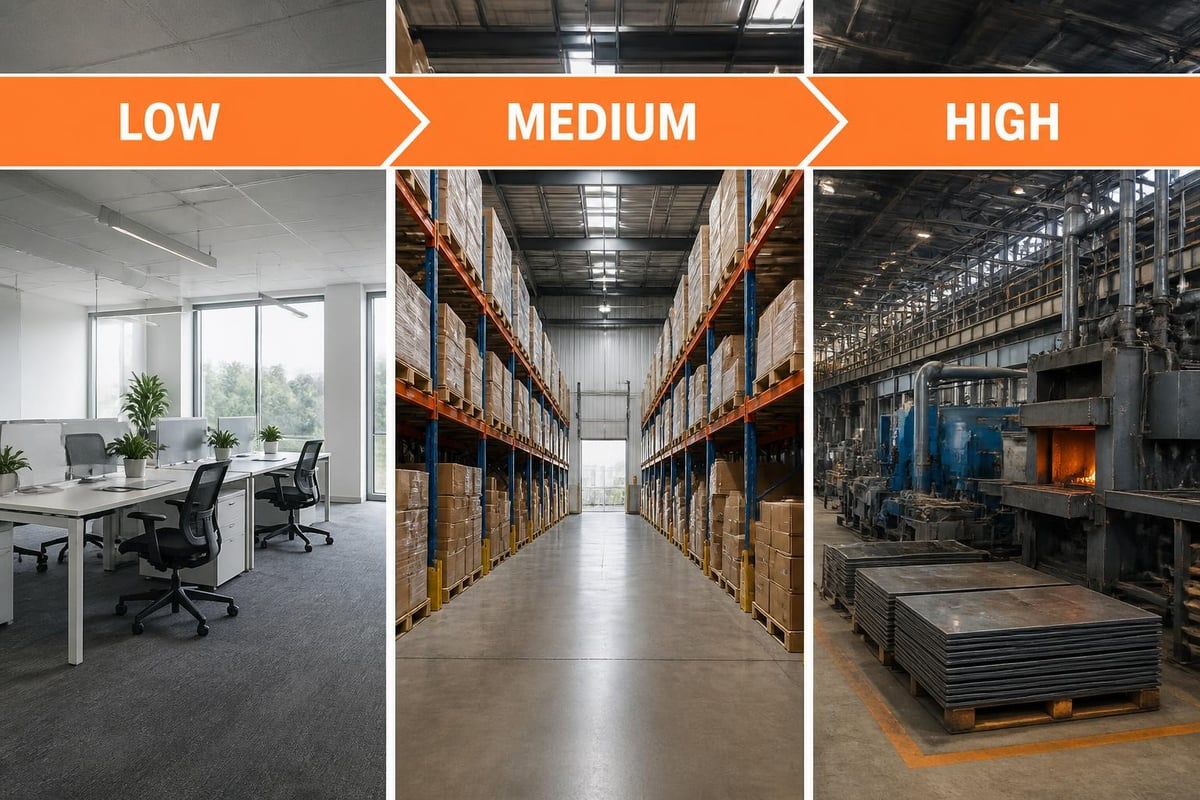
Low-risk premises such as small professional offices with minimal fire loads and straightforward escape routes might require only basic assessments. Medium-risk facilities including retail spaces, restaurants, and hotels demand more thorough evaluation of public access areas, emergency lighting, and evacuation procedures.
High-risk environments-manufacturing plants, chemical storage facilities, or premises housing vulnerable individuals-necessitate comprehensive assessments addressing specific hazards, potentially requiring specialist knowledge beyond general fire safety expertise. These assessments might incorporate additional consultations with process engineers or specialist fire protection consultants, substantially increasing fire risk assessment cost.
Previous Assessment History
Organisations conducting initial fire risk assessments typically face higher costs than those requiring periodic reviews. A first-time assessment demands comprehensive evaluation of all aspects without baseline documentation, whereas subsequent assessments can focus on changes since the previous evaluation.
Initial comprehensive assessments might cost 30 to 50 per cent more than periodic reviews for the same premises. However, this differential assumes minimal structural or operational changes between assessments. Significant modifications-building extensions, change of use, or installation of new fire detection systems-effectively reset the evaluation to comprehensive status, with corresponding cost implications.
Hidden Costs and Additional Considerations
Fire risk assessment cost extends beyond the immediate fee for professional evaluation. Businesses must account for several ancillary expenses that contribute to total compliance expenditure.
Remedial Work and System Upgrades
Assessment reports frequently identify deficiencies requiring corrective action. Whilst the assessment itself might cost £500, recommended improvements could range from minor investments in signage and fire door inspections to substantial capital expenditure on system upgrades or structural modifications.
Budget planning should anticipate potential remedial costs:
- Minor improvements (signage, basic maintenance): £200-£1,000
- Moderate upgrades (fire door replacements, detection system enhancements): £2,000-£10,000
- Major projects (compartmentation works, sprinkler installation): £15,000-£100,000+
The economic framework for fire protection measures suggests that systematic benefit-cost analysis of recommended improvements helps organisations prioritise investments effectively, balancing compliance obligations with operational budgets.
Ongoing Review and Update Cycles
Fire risk assessments require periodic review to remain valid. Regulatory guidance suggests annual reviews as best practice, with mandatory reassessment following significant changes to premises, occupancy, or processes. This ongoing obligation transforms fire risk assessment cost from a one-time expense into a recurring operational budget item.
Annual review costs typically represent 40 to 60 per cent of initial assessment fees, reflecting reduced scope when no major changes have occurred. A business initially paying £800 for comprehensive assessment might budget £350-£500 annually for reviews, assuming stable operational conditions.
Documentation and Management Systems
Professional fire risk assessments generate substantial documentation requiring secure storage, accessibility for enforcement authorities, and integration with broader health and safety management systems. Larger organisations might invest in digital management platforms to track assessment recommendations, schedule remedial works, and maintain compliance records.
| Documentation Need | Cost Range | Frequency |
|---|---|---|
| Digital record system | £500-£3,000 | One-time + annual licence |
| Staff training records | £200-£800 annually | Ongoing |
| Action tracking software | £300-£1,500 | Annual subscription |
Regional Variations and Market Competition
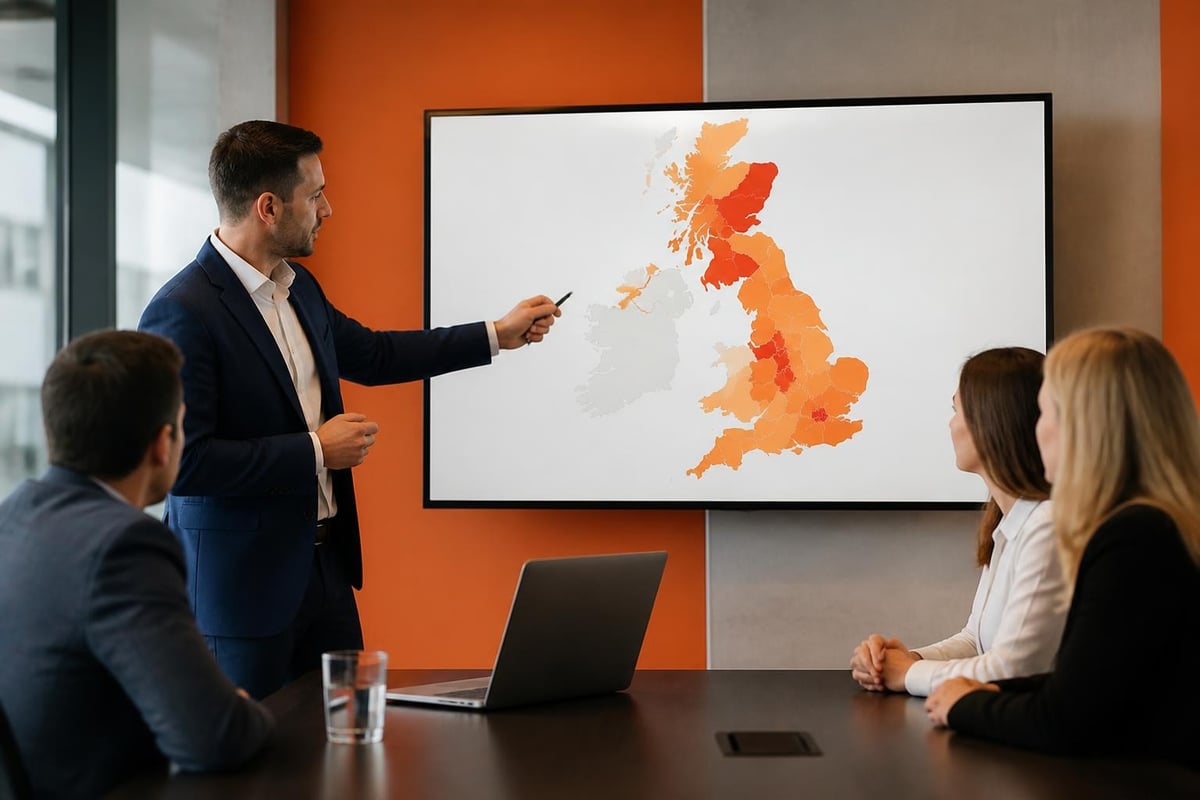
Fire risk assessment cost exhibits notable geographic variation across the UK, driven by local market dynamics, assessor availability, and regional cost-of-living differences. London and the South East typically command premium rates, with assessments costing 20 to 40 per cent more than equivalent evaluations in the Midlands or North.
Urban concentration affects pricing through both supply and demand mechanisms. Cities with numerous commercial properties support larger populations of qualified assessors, fostering competitive pricing. Conversely, remote locations might face travel surcharges and limited assessor choice, elevating total costs despite potentially lower base rates.
Competitive Tendering Strategies
Businesses managing multiple properties or requiring regular assessments can often negotiate favourable rates through volume commitments or framework agreements. Multi-site organisations might secure 15 to 30 per cent discounts compared to individual assessment pricing by consolidating requirements with a single provider.
Tender considerations should balance cost against assessor competence and service quality:
- Request evidence of relevant qualifications and professional memberships
- Verify insurance coverage and professional indemnity limits
- Review sample assessment reports for thoroughness and clarity
- Confirm understanding of specific industry sectors or building types
- Evaluate ongoing support and consultancy availability
In-House Versus Outsourced Assessment Options
Larger organisations sometimes consider developing in-house fire risk assessment capability as an alternative to external consultants. This approach requires careful cost-benefit analysis, weighing training investment, salary commitments, and competency maintenance against outsourcing fees.
Building Internal Capability
Developing competent in-house assessors involves substantial initial investment. Training programmes range from basic awareness courses (£500-£1,500 per person) to comprehensive professional qualifications (£3,000-£8,000 per person), with ongoing continuing professional development requirements adding recurring costs.
An organisation employing a dedicated fire safety officer might anticipate total annual costs of £45,000 to £65,000 when accounting for salary, training, professional memberships, and associated overheads. This investment proves cost-effective only when assessment requirements justify full-time dedication-typically organisations with extensive property portfolios or complex, high-risk facilities.
Strategic Hybrid Approaches
Many businesses adopt hybrid models, maintaining basic internal competency for routine reviews whilst engaging external specialists for complex assessments or independent verification. This strategy balances cost control with quality assurance, ensuring fresh perspective and specialist expertise when circumstances demand.
Hybrid model benefits include:
- Reduced ongoing fire risk assessment cost through internal capability
- External validation providing independent assurance for stakeholders
- Access to specialist knowledge for unusual scenarios
- Flexibility to scale resource commitment with business needs
Investment Justification and Risk Management
Understanding fire risk assessment cost within broader risk management frameworks helps justify expenditure to senior leadership and shareholders. Professional assessments represent insurance against potentially catastrophic losses-both financial and reputational-stemming from fire incidents.
The economic analysis of fire mitigation measures demonstrates that systematic evaluation of fire safety investments yields quantifiable returns through reduced insurance premiums, lower incident probabilities, and minimised business interruption risks. Fire risk assessments form the foundation of evidence-based safety investment, identifying priority interventions delivering maximum risk reduction per pound invested.
Insurance and Liability Considerations
Insurers increasingly scrutinise fire risk management when underwriting commercial properties. Documented, current fire risk assessments can substantially reduce premium costs-savings often exceeding annual assessment fees. More importantly, failure to conduct adequate assessments may invalidate cover or create liability exposure for responsible persons under the Regulatory Reform (Fire Safety) Order 2005.
Insurance-related benefits of professional fire risk assessment include:
- Premium reductions of 5 to 15 per cent for well-documented risk management
- Enhanced negotiating position during policy renewals
- Reduced excess amounts for fire-related claims
- Demonstration of due diligence limiting director liability
The relatively modest fire risk assessment cost pales against potential losses from uninsured or underinsured fire damage, which can bankrupt businesses overnight.
Selecting Value-Driven Assessment Services
Maximising return on fire risk assessment investment requires careful provider selection, balancing cost efficiency with service quality. The lowest-priced option rarely delivers optimal value, particularly when assessment shortcomings necessitate costly re-evaluation or fail to identify critical hazards.
Quality Indicators Beyond Price
Professional credentials provide essential quality assurance. Look for assessors holding:
- Recognised qualifications from the Institution of Fire Engineers or equivalent bodies
- Third-party certification schemes demonstrating competence verification
- Professional indemnity insurance with adequate coverage limits
- Membership in professional organisations requiring continuing development
Service scope variations significantly impact delivered value. Comprehensive assessments should include detailed written reports, prioritised action plans, photographic evidence of identified issues, and post-assessment support for clarifying recommendations or discussing implementation strategies.
Long-Term Partnership Considerations
Fire safety compliance represents an ongoing journey rather than a one-time destination. Establishing relationships with competent assessors familiar with your premises generates efficiency gains over time, as assessors develop deep understanding of your operational context and can more readily identify meaningful changes requiring attention.
Organisations working with comprehensive fire and security partners benefit from integrated service delivery, where fire risk assessment informs system design, installation standards, and ongoing maintenance programmes. This holistic approach often delivers superior outcomes compared to fragmented service relationships, despite potentially higher individual transaction costs.
Future Trends Affecting Assessment Pricing
Several emerging trends will likely influence fire risk assessment cost trajectories over coming years, requiring businesses to anticipate evolving market dynamics when planning long-term budgets.
Technology Integration and Digital Assessment
Advanced digital tools increasingly support fire risk assessment processes, from laser measurement systems accelerating site surveys to software platforms streamlining report generation and action tracking. These technologies may reduce assessment duration, potentially moderating cost increases, whilst simultaneously raising competency expectations for assessors who must master new tools.
Building Information Modelling (BIM) integration offers particular promise for complex facilities, enabling assessors to interrogate digital building models rather than relying solely on manual inspection. However, implementation costs and specialist expertise requirements currently limit BIM-enhanced assessment to major projects.
Competency Framework Evolution
Ongoing professionalisation of the fire risk assessment sector will likely elevate minimum competency standards, potentially constraining assessor supply and exerting upward pressure on fire risk assessment cost. The government’s focus on assessor competency and capacity suggests regulatory changes may formalise qualification requirements, reducing the number of practitioners whilst improving average assessment quality.
Businesses should anticipate gradual cost increases reflecting enhanced professional standards, balanced against efficiency gains from improved assessor capability and reduced need for supplementary evaluations addressing initial assessment shortcomings.
Understanding fire risk assessment cost enables businesses to budget appropriately whilst selecting competent providers who deliver genuine value beyond mere compliance box-ticking. The investment in professional assessment forms the cornerstone of effective fire safety management, protecting people, property, and business continuity against fire-related losses. Logic Fire and Security combines comprehensive fire risk assessment expertise with integrated system design, installation, and maintenance capabilities, ensuring your fire safety investments deliver maximum protection and regulatory compliance. Contact their team today to discuss your fire safety requirements and receive a detailed assessment proposal tailored to your premises and operational needs.