

Modern businesses face an evolving landscape of security challenges, from theft and vandalism to health and safety compliance. Installing robust business CCTV security systems has become essential for organisations across the UK, providing not only crime deterrence but also valuable operational insights and liability protection. As technology advances, today’s surveillance solutions offer unprecedented capabilities, from artificial intelligence-powered analytics to cloud-based monitoring, enabling companies to safeguard their assets, employees, and customers more effectively than ever before.
Understanding Modern Business CCTV Security Systems
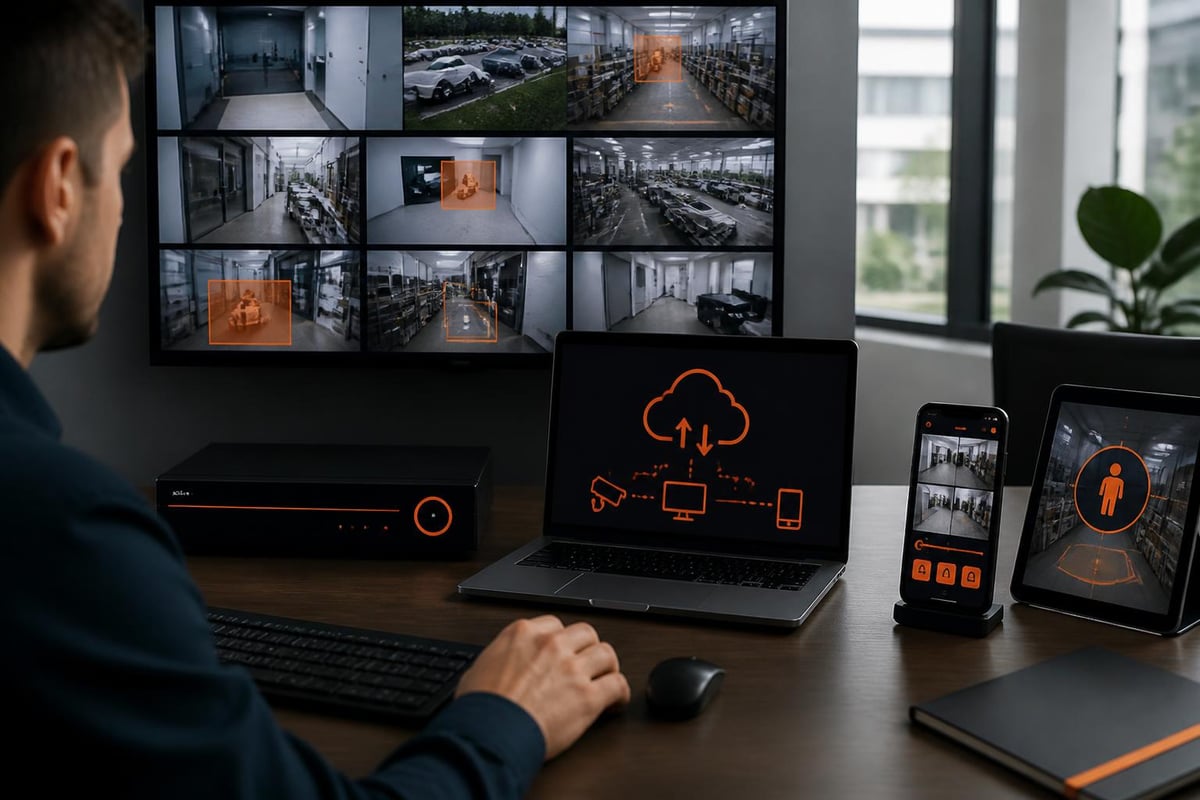
Contemporary business CCTV security systems have evolved far beyond simple recording devices. Today’s solutions integrate advanced technologies including high-definition imaging, intelligent video analytics, and remote access capabilities that transform security operations.
The core components of a professional system include cameras, recording equipment, storage solutions, and monitoring interfaces. Network Video Recorders (NVRs) have largely replaced traditional Digital Video Recorders (DVRs), offering superior image quality and flexibility. These systems capture footage in resolutions ranging from 1080p to 4K, ensuring crystal-clear identification of individuals and incidents.
Key Technologies Shaping 2026 Surveillance
Several technological advancements have revolutionised how businesses approach security monitoring:
- Artificial Intelligence and Machine Learning: Modern cameras can distinguish between humans, vehicles, and animals, reducing false alarms
- Cloud Storage Solutions: Remote backup ensures footage remains accessible even if on-site equipment is damaged
- Mobile Integration: Real-time alerts and viewing capabilities through smartphone applications
- Thermal Imaging: Detection capabilities in complete darkness or challenging weather conditions
- Edge Computing: Processing power built directly into cameras for faster analytics
The integration of these technologies creates comprehensive security ecosystems that work alongside access control entry systems to provide layered protection. When combined with professional CCTV monitoring services, businesses benefit from 24/7 surveillance with immediate response capabilities.
Selecting the Right System for Your Business
Choosing appropriate business CCTV security systems requires careful assessment of your specific operational requirements, premises characteristics, and security objectives. The best security cameras for business vary significantly depending on your industry and environment.
Different business types demand distinct surveillance approaches. Warehouses require wide-angle coverage with excellent low-light performance, whilst retail environments benefit from detailed facial recognition capabilities. Office buildings often need discreet cameras that blend with professional aesthetics whilst maintaining comprehensive monitoring.
| Business Type | Primary Requirements | Recommended Features |
|---|---|---|
| Retail Stores | Point-of-sale monitoring, customer behaviour analysis | High-definition, wide dynamic range, people counting |
| Warehouses | Large area coverage, inventory protection | PTZ capabilities, infrared night vision, motion detection |
| Offices | Entrance monitoring, employee safety | Discreet design, access integration, privacy masking |
| Manufacturing | Process monitoring, safety compliance | Weatherproof housing, explosion-proof options, thermal imaging |
Camera Placement and Coverage Strategy
Strategic positioning maximises system effectiveness whilst minimising equipment costs. Understanding how many security cameras your business needs prevents both gaps in coverage and unnecessary expenditure.
Critical monitoring locations include:
- Main entrances and exits
- Loading docks and delivery areas
- Car parks and external perimeters
- Cash handling zones
- Inventory storage areas
- Server rooms and sensitive equipment locations
Overlapping coverage zones ensure continuous surveillance even if individual cameras experience technical issues. Proper positioning also considers lighting conditions throughout different times of day, avoiding glare from windows or direct sunlight that could obscure crucial details.
Installation Best Practices and Professional Implementation
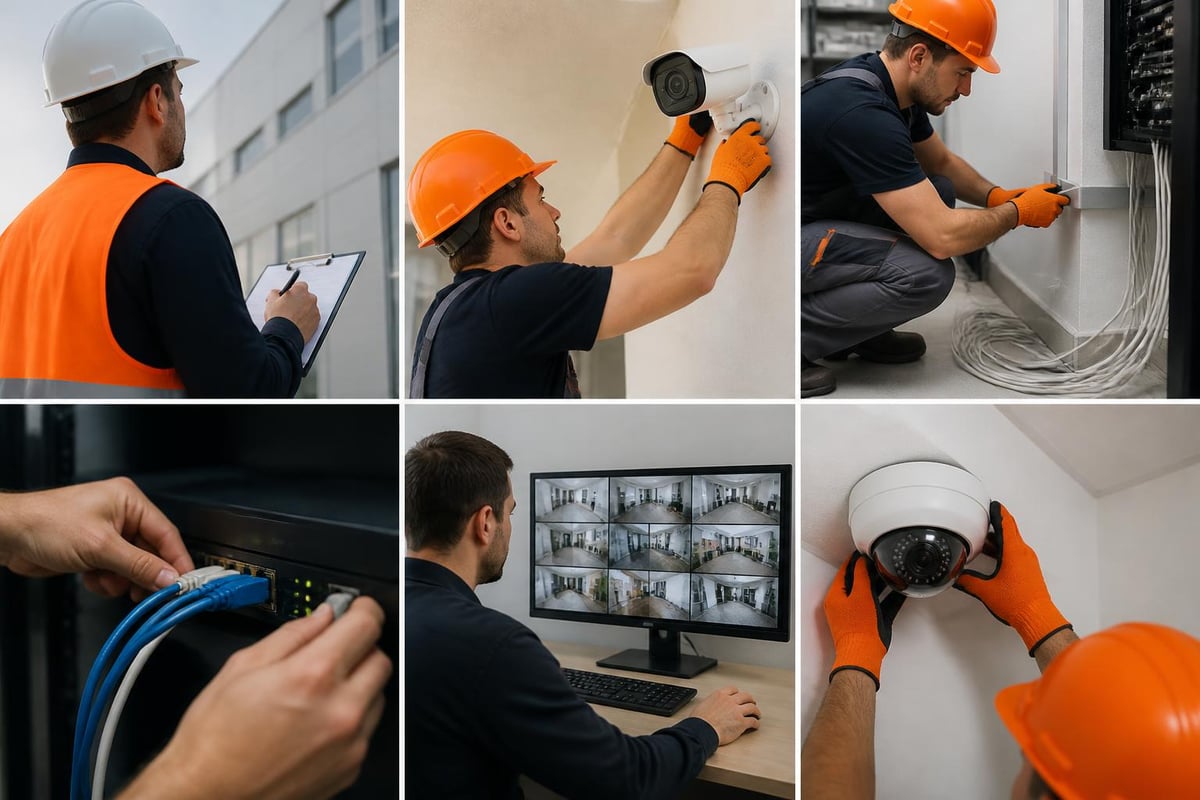
Professional installation distinguishes effective business CCTV security systems from inadequate setups. Following established best practices for CCTV installation ensures optimal performance and longevity.
The installation process begins with comprehensive site surveys that identify optimal camera positions, assess network infrastructure requirements, and plan cable routing. Wired business security camera systems offer superior reliability compared to wireless alternatives, particularly for larger installations requiring consistent, high-bandwidth connections.
Infrastructure and Network Considerations
Modern IP-based systems demand robust network infrastructure. Power over Ethernet (PoE) technology simplifies installations by delivering both power and data through single cables, reducing complexity and potential failure points.
Essential infrastructure elements:
- Dedicated network switches with adequate PoE budget
- Structured cabling meeting Cat6 or higher specifications
- Uninterruptible power supplies protecting against outages
- Sufficient bandwidth allocation for multiple HD streams
- Secure network segmentation isolating cameras from business operations
Integration with existing data cabling infrastructure ensures seamless connectivity. Professional installers assess current network capacity, identifying potential bottlenecks before they impact system performance.
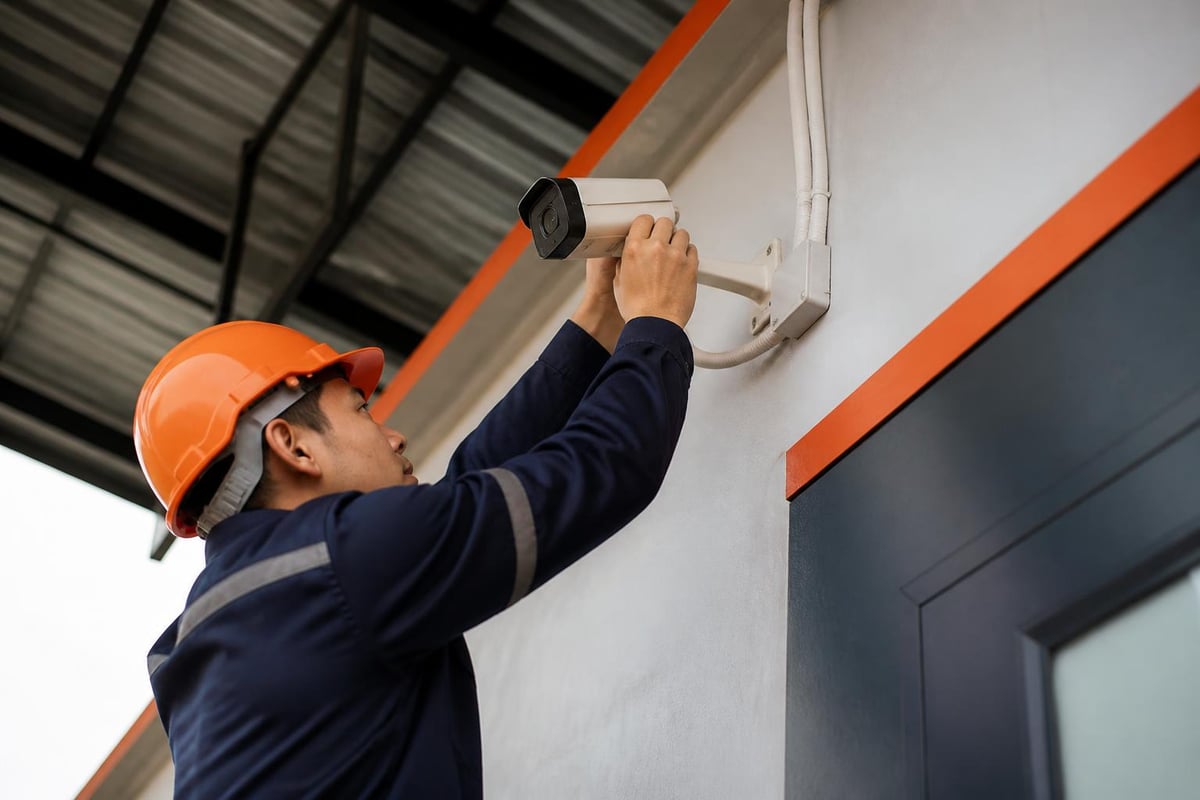
Environmental factors significantly influence installation approaches. Outdoor cameras require weatherproof housing with appropriate IP ratings, whilst internal installations might prioritise aesthetic integration. Temperature extremes, humidity, and exposure to dust or chemicals all affect equipment selection and positioning.
Legal Compliance and Data Protection Requirements
Operating business CCTV security systems in the UK involves strict legal obligations under the Data Protection Act 2018 and UK GDPR. Understanding commercial CCTV legal requirements ensures compliance whilst protecting your organisation from potential penalties.
The Information Commissioner’s Office (ICO) provides clear guidance that businesses must follow. According to official government guidelines, organisations must conduct impact assessments, display appropriate signage, and maintain detailed records of their surveillance activities.
Essential Compliance Measures
Transparent communication about surveillance activities builds trust with employees and customers whilst meeting legal requirements. Clear signage must be displayed at all monitored entrances, explaining that CCTV operates on the premises, identifying the responsible organisation, and providing contact details.
Key compliance requirements include:
- Conducting Data Protection Impact Assessments (DPIAs)
- Registering with the ICO and paying annual data protection fees
- Implementing secure access controls limiting who views footage
- Establishing retention policies typically ranging from 30 to 90 days
- Creating procedures for subject access requests
- Training staff on appropriate system use and privacy protection
Privacy considerations extend beyond external surveillance. Internal monitoring of employee areas requires careful justification and consultation. Rest areas, changing rooms, and toilets must remain surveillance-free, respecting fundamental privacy rights.
| Compliance Aspect | Requirement | Consequence of Non-Compliance |
|---|---|---|
| Signage | Clear, visible notifications at entry points | ICO enforcement action, fines up to £17.5 million |
| Data Retention | Defined policies with justified timeframes | Subject access request failures, legal liability |
| Access Control | Restricted viewing rights with audit trails | Data breaches, loss of evidential value |
| Impact Assessment | Documented DPIA for high-risk processing | Regulatory sanctions, operational restrictions |
Documentation requirements extend to maintaining records of system purposes, camera locations, retention schedules, and access logs. This comprehensive approach demonstrates accountability, a core GDPR principle, whilst supporting comprehensive commercial security systems compliance.
Maintenance and System Optimisation
Regular maintenance ensures business CCTV security systems deliver consistent performance throughout their operational lifespan. Following established maintenance best practices prevents gradual degradation that compromises security effectiveness.
Professional maintenance programmes typically include quarterly inspections, though high-risk environments may require monthly attention. These systematic reviews identify potential issues before they escalate into system failures.
Preventive Maintenance Schedule
Monthly tasks:
- Clean camera lenses and housings
- Verify recording functionality across all channels
- Review storage capacity and retention compliance
- Test remote access and mobile applications
- Check physical security of equipment cabinets
Quarterly activities:
- Inspect and tighten all cable connections
- Update camera firmware and NVR software
- Verify backup power systems functionality
- Review and refresh system access credentials
- Test emergency response procedures
Environmental factors accelerate maintenance needs. Coastal locations experience faster corrosion from salt air, whilst industrial environments accumulate dust and debris more rapidly. Tailored maintenance schedules account for these specific operational conditions.
Software updates address security vulnerabilities that cybercriminals actively exploit. Many high-profile breaches have occurred through outdated CCTV firmware, making regular patching essential. Automated update systems reduce administrative burden whilst maintaining security posture.
Integration with Comprehensive Security Ecosystems
Business CCTV security systems achieve maximum effectiveness when integrated within broader security frameworks. Standalone surveillance provides limited value compared to coordinated systems combining multiple protective measures.
Integration with intruder detection creates responsive environments where cameras automatically focus on triggered alarm zones, whilst recorded footage provides immediate context for security personnel. This coordination extends to intruder alarm monitoring services that combine visual verification with rapid response protocols.
Multi-System Coordination Benefits
Modern security management platforms unify diverse systems through single interfaces. These centralised controls streamline operations whilst providing comprehensive situational awareness.
Connected systems deliver enhanced capabilities:
- Access Control Integration: Cameras automatically record individuals using entry points, correlating badge data with visual confirmation
- Fire Safety Coordination: Surveillance systems provide evacuation verification whilst fire alarm monitoring ensures comprehensive emergency response
- Building Management Systems: Environmental sensors trigger recording during unusual conditions
- Analytics Platforms: Aggregated data from multiple sources identifies patterns and trends
This holistic approach transforms security from reactive monitoring to proactive risk management. Predictive analytics identify unusual behaviours before incidents occur, whilst integrated responses coordinate multiple protective measures simultaneously.
Organisations serving Blue Chip clients and public agencies particularly benefit from these sophisticated integrations. Compliance requirements often mandate coordinated security measures, and integrated platforms simplify audit processes whilst demonstrating due diligence.
Advanced Analytics and Artificial Intelligence Applications
Artificial intelligence has revolutionised business CCTV security systems, transforming passive recording devices into active intelligence platforms. Machine learning algorithms analyse video streams in real-time, identifying patterns, anomalies, and specific events without human intervention.
Practical AI applications include:
- Facial recognition for access verification and watchlist alerts
- Licence plate recognition for vehicle tracking and parking management
- Crowd density monitoring for health and safety compliance
- Queue management analytics optimising customer service
- Heat mapping identifying high-traffic areas for operational insights
- Behavioural analysis detecting suspicious activities or safety violations
These capabilities extend beyond traditional security functions, providing valuable business intelligence. Retail analytics measure customer engagement, manufacturing environments monitor workflow efficiency, and facilities management optimises space utilisation based on actual usage patterns.
Privacy considerations require careful implementation of AI features. Anonymised analytics extract insights without identifying individuals, balancing operational benefits against privacy rights. Transparent policies explaining AI usage maintain stakeholder trust whilst leveraging technological advantages.
Cost Considerations and Return on Investment
Implementing business CCTV security systems represents significant investment, with costs varying substantially based on system complexity, coverage requirements, and technology specifications. Understanding the complete cost picture enables informed decision-making.
Initial expenditure encompasses equipment, installation labour, network infrastructure upgrades, and configuration services. However, total cost of ownership extends beyond upfront investment to include ongoing maintenance, monitoring services, storage expenses, and periodic upgrades.
| Cost Component | Budget Range | Factors Affecting Price |
|---|---|---|
| Camera Equipment | £200-£1,500 per unit | Resolution, features, environmental rating |
| Recording System | £500-£5,000 | Channel capacity, storage, redundancy |
| Installation Labour | £100-£200 per camera | Accessibility, cable runs, complexity |
| Monitoring Services | £20-£100 monthly per camera | Response level, coverage hours |
| Annual Maintenance | 10-15% of system value | Contract scope, visit frequency |
Return on investment materialises through multiple channels. Insurance premium reductions often offset 10-20% of annual costs, whilst theft deterrence and loss prevention deliver direct financial benefits. Liability protection during incidents provides substantial value, potentially preventing costly litigation.
Operational insights derived from surveillance analytics improve efficiency and customer experience, generating revenue opportunities beyond pure security functions. These multifaceted benefits justify investment whilst supporting business objectives across departments.
Effective business CCTV security systems combine advanced technology, professional installation, and ongoing maintenance to protect premises whilst ensuring regulatory compliance. Integrating surveillance within comprehensive security frameworks maximises protection whilst delivering valuable operational insights that extend far beyond traditional security functions. Logic Fire and Security brings decades of expertise designing, installing, and maintaining sophisticated security solutions for businesses across the UK, from Blue Chip corporations to public agencies. Their comprehensive approach ensures your surveillance infrastructure delivers reliable protection, meets all compliance requirements, and integrates seamlessly with broader fire and security systems.