

Protecting commercial premises from fire hazards requires more than simply fitting a few smoke detectors. A properly designed and installed fire alarm system serves as the first line of defence for employees, visitors, and valuable assets. For businesses operating across the UK, commercial fire alarm systems installation represents a critical investment in safety, regulatory compliance, and operational continuity. Understanding the complexities of this process helps organisations make informed decisions that protect lives whilst meeting stringent legal requirements.
Understanding Commercial Fire Alarm System Components
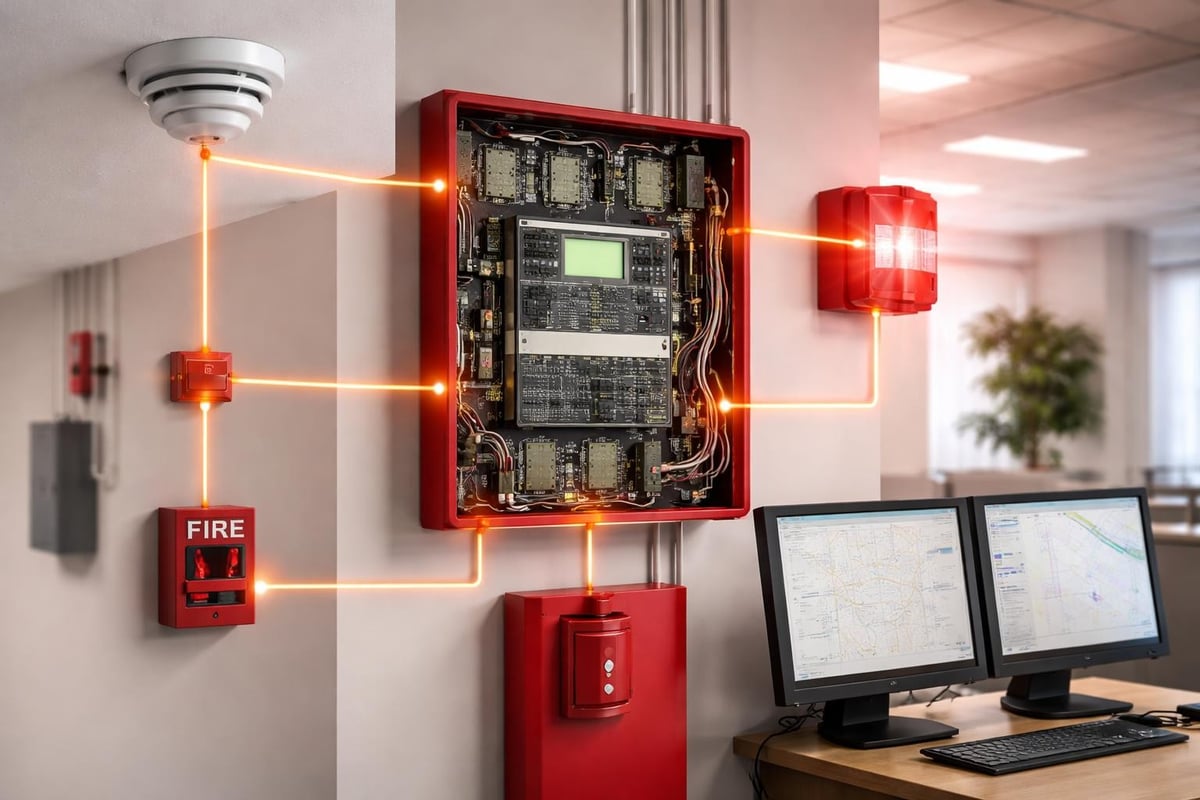
Modern commercial fire alarm systems comprise several interconnected elements that work together to detect, alert, and facilitate emergency response. The sophistication of these systems has evolved considerably over recent years.
Detection Devices and Sensors
Fire detection technology forms the foundation of any effective alarm system. Smoke detectors utilise optical or ionisation sensors to identify the presence of combustion particles, whilst heat detectors respond to temperature changes within a space. Multi-sensor devices combine both technologies, reducing false alarms whilst maintaining high sensitivity levels.
Specialist environments may require additional detection capabilities:
- Beam detectors for warehouses and open-plan areas with high ceilings
- Aspirating smoke detection systems for data centres and clean rooms
- Carbon monoxide detectors for areas with fuel-burning equipment
- Flame detectors for industrial settings with rapid fire development risks
The selection of appropriate detection technology depends upon the specific environmental conditions, ceiling heights, and potential fire characteristics within each zone.
Control Panels and Network Architecture
The fire alarm control panel serves as the system’s central processing unit, receiving signals from detection devices and coordinating appropriate responses. Conventional systems divide buildings into zones, indicating the general area of activation. Addressable systems provide precise device-level information, pinpointing the exact detector that triggered the alarm.
Modern installations increasingly favour addressable technology due to superior diagnostic capabilities and maintenance efficiency. These systems allow remote monitoring, automatic fault reporting, and detailed event logging that proves invaluable during investigations.
Planning Your Commercial Fire Alarm Systems Installation
Effective commercial fire alarm systems installation begins long before technicians arrive on site. Comprehensive planning ensures the final system meets regulatory requirements whilst addressing the unique characteristics of your premises.
Site Survey and Risk Assessment
Professional installation providers conduct thorough site surveys to identify critical factors influencing system design. This assessment examines building layout, occupancy levels, escape routes, and potential fire hazards specific to your operations.
A comprehensive fire risk assessment identifies areas requiring enhanced detection coverage, such as electrical cupboards, kitchens, or storage facilities containing flammable materials. This information shapes the placement and density of detection devices throughout the building.
| Assessment Factor | Consideration | Impact on Design |
|---|---|---|
| Building height | Multi-storey vs single level | Evacuation strategy and detector placement |
| Occupancy type | Office, retail, industrial | Alert notification requirements |
| Fire load | Materials and storage | Detection technology selection |
| Operational hours | 24/7 vs standard business hours | Monitoring arrangements |
Regulatory Compliance Requirements
UK businesses must comply with the Regulatory Reform (Fire Safety) Order 2005, which mandates appropriate fire detection and warning systems. BS 5839-1:2017 provides the design, installation, and commissioning standards for fire alarm systems in non-domestic premises.
System category requirements vary based on building use and risk profile:
- Category L1 – Detection throughout all areas of the building
- Category L2 – Detection in defined areas plus escape routes
- Category L3 – Detection limited to escape routes only
- Category L4 – Detection within escape routes excluding certain areas
- Category L5 – Detection in specified rooms or zones only
Professional installers ensure your system meets the appropriate category whilst integrating with other fire safety measures including emergency lighting and evacuation systems.
The Installation Process and Timeline
Commercial fire alarm systems installation follows a structured methodology that minimises disruption whilst ensuring quality outcomes. Understanding this process helps businesses plan accordingly and maintain operations during implementation.
Design and Specification Development
Following site surveys, engineers develop detailed system designs incorporating device locations, cabling routes, and control panel positioning. These specifications undergo review to ensure compliance with British Standards and client requirements. System drawings illustrate detector placements, zone configurations, and integration points with other building management systems.
Design considerations include future expansion capabilities, allowing businesses to add zones or devices as their operations evolve. This forward planning prevents costly system replacements when premises are extended or repurposed.
Physical Installation and Commissioning
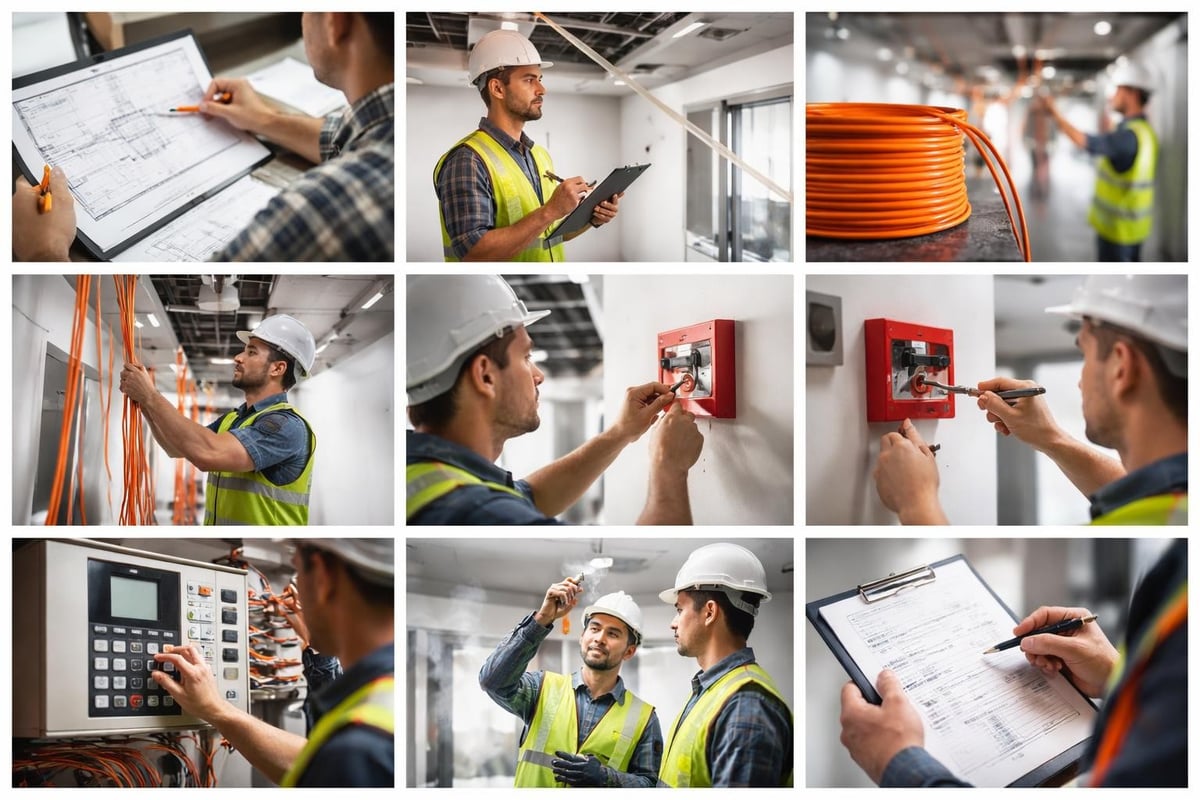
Installation teams typically work in phases to reduce operational impact. Cabling infrastructure is installed first, often conducted outside normal business hours in occupied buildings. This stage includes containment systems, fire-rated cables, and interconnections between devices.
Device installation follows the completion of cabling works:
- Mounting detection devices according to manufacturer specifications and BS 5839 guidance
- Installing manual call points at exit routes and strategic locations
- Positioning sounders and visual indicators to ensure adequate coverage
- Configuring the control panel with zone programming and cause-and-effect logic
Commissioning involves comprehensive testing of every device, circuit, and system function. Engineers verify detection sensitivity, alarm notification coverage, and fault monitoring capabilities before handover.
Integration with Building Systems and Monitoring
Modern commercial fire alarm systems installation extends beyond standalone detection capabilities. Integration with other building systems enhances safety outcomes and operational efficiency.
Building Management System Integration
Advanced installations connect fire alarm systems with HVAC controls, automatically shutting down air handling units to prevent smoke circulation during incidents. Access control systems interface with fire alarms to release magnetic door locks, ensuring unobstructed evacuation routes.
Lift controls receive signals to return elevators to ground floor positions, preventing their use during emergencies. These integrations create coordinated responses that protect occupants whilst facilitating firefighter access.
Remote Monitoring and Response
Professional fire alarm monitoring services provide continuous oversight of system status. Monitoring stations receive instant notification of alarms, faults, and system events, ensuring appropriate emergency service dispatch without relying on building occupants.
This monitoring capability proves particularly valuable for premises operating outside normal business hours or unmanned facilities such as warehouses and distribution centres.
Maintenance Requirements and Ongoing Support
Successful commercial fire alarm systems installation includes establishing maintenance protocols that preserve system reliability throughout its operational life. Regular servicing identifies potential failures before they compromise protection levels.
Scheduled Maintenance Activities
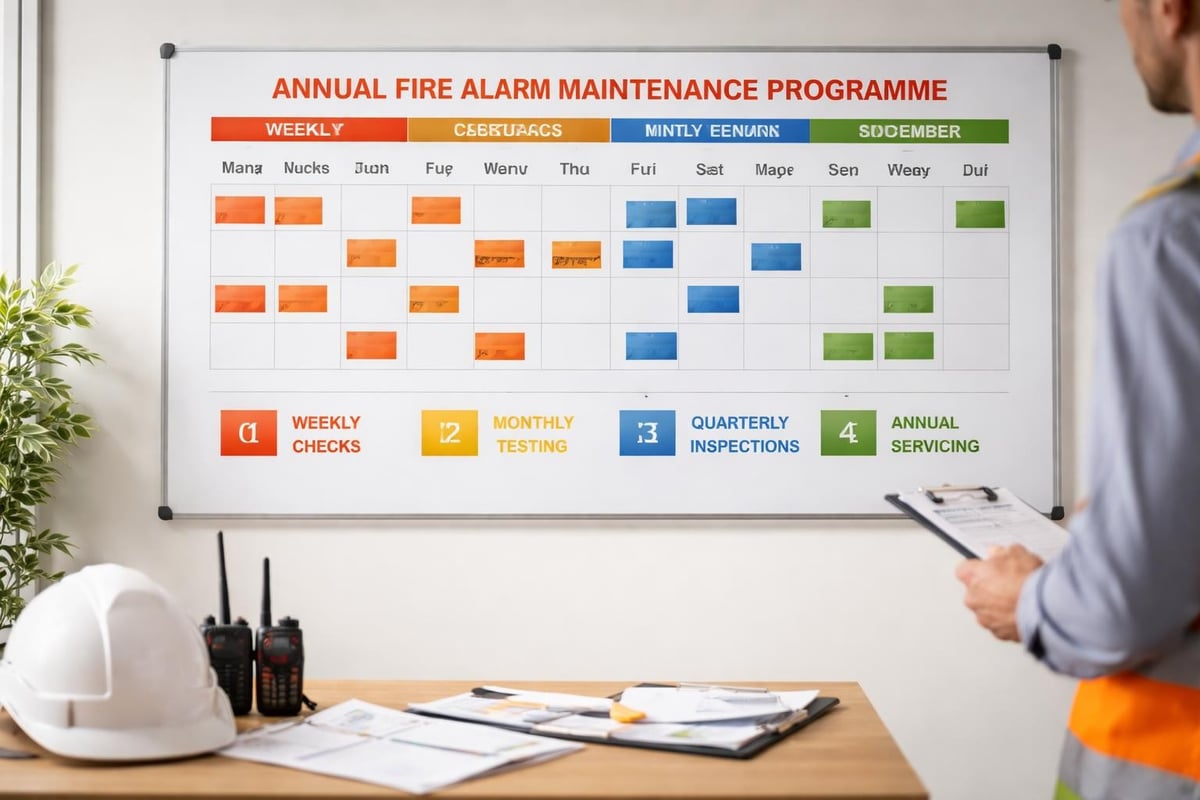
British Standards require weekly user checks of indicator lamps and control panel displays. Monthly testing of a selection of manual call points ensures mechanical functionality. Quarterly inspections by competent persons verify system operation and address minor faults.
Annual maintenance visits by qualified engineers include:
- Full functional testing of all detection devices
- Verification of alarm notification coverage and audibility
- Control panel battery testing and replacement where necessary
- Cleaning of optical smoke detectors to maintain sensitivity
- Documentation updates reflecting any system modifications
These activities ensure continuous compliance with regulatory requirements and insurance policy conditions.
System Lifecycle Considerations
| Component | Typical Lifespan | Replacement Indicators |
|---|---|---|
| Smoke detectors | 10-15 years | Increased false alarms, sensitivity drift |
| Control panels | 15-20 years | Parts unavailability, obsolescence |
| Backup batteries | 3-5 years | Reduced capacity, failed load tests |
| Notification devices | 15-20 years | Mechanical failure, inadequate output |
Planning for component replacement prevents unexpected failures and maintains optimal performance. Many organisations establish reserve funds for gradual system upgrades rather than facing sudden large expenditures.
Cost Factors and Investment Considerations
Commercial fire alarm systems installation costs vary significantly based on building characteristics, system sophistication, and specific requirements. Understanding these factors enables realistic budget planning.
Primary Cost Drivers
Building size directly impacts installation costs through the number of devices required and cabling distances involved. A 1,000 square metre office typically requires 15-25 detection devices, whilst a 10,000 square metre warehouse may need 100+ devices plus specialist detection technology.
System type influences pricing substantially:
- Conventional systems offer lower initial costs but limited diagnostic capabilities
- Addressable systems command premium pricing but reduce long-term maintenance expenses
- Wireless systems minimise installation disruption in heritage buildings or complex environments
Integration requirements add costs when connecting with existing building management systems, access control infrastructure, or specialist suppression systems.
Long-term Value Assessment
Initial installation costs represent only one component of total ownership expenses. Maintenance contracts, monitoring services, and eventual component replacement contribute to lifecycle costs spanning 15-20 years.
However, properly specified systems deliver substantial value through:
- Insurance premium reductions for premises with certificated, monitored systems
- Reduced false alarm charges from fire services through superior detection accuracy
- Lower business interruption risks via early fire detection and suppression
- Enhanced property values for buildings with comprehensive fire protection
Many organisations discover that investing in quality commercial fire alarm systems installation generates measurable returns through risk reduction and operational continuity.
Selecting Professional Installation Partners
The expertise and reliability of your installation provider fundamentally determines system performance and compliance outcomes. Several factors distinguish professional organisations from less capable alternatives.
Accreditations and Certifications
Reputable installers maintain third-party certifications demonstrating technical competence and quality management systems. BAFE SP203-1 accreditation specifically covers fire alarm design, installation, commissioning, and maintenance. This certification requires regular audits and ongoing technical training for engineering staff.
Additional indicators of professional capability include:
- SSAIB or NSI Gold registration for security and fire systems
- Manufacturer certifications from equipment suppliers
- Safe Contractor or Constructionline approval for site safety management
- ISO 9001 quality management system certification
These accreditations provide confidence that installations meet current standards and best practices. More information about quality and accreditations helps organisations verify installer credentials.
Experience and Track Record
Installation providers serving commercial clients should demonstrate relevant sector experience. Healthcare facilities require different approaches compared to retail environments or manufacturing plants. Portfolio reviews and client references reveal an installer’s capability to handle projects of comparable scale and complexity.
Established providers offer comprehensive service portfolios extending beyond initial installation. This continuity ensures consistent support throughout the system lifecycle, avoiding the complications that arise when maintenance providers lack installation knowledge.
Technical Advances Shaping Modern Systems
Commercial fire alarm systems installation practices continue evolving as technology advances. Understanding emerging capabilities helps organisations future-proof their investments.
Intelligent Detection and Analytics
Modern addressable devices incorporate sophisticated algorithms that reduce false alarms whilst maintaining high detection sensitivity. Multi-criteria detectors analyse multiple parameters simultaneously, distinguishing genuine fire signatures from nuisance sources such as steam or cooking fumes.
Cloud-based analytics platforms process historical data from detection devices, identifying patterns that predict maintenance requirements or system optimisation opportunities. These insights enable proactive interventions that enhance reliability.
Wireless and Hybrid Technologies
Wireless detection devices eliminate cabling requirements in challenging environments, particularly valuable during building refurbishments or heritage property installations. Battery-powered devices communicate via encrypted radio frequencies, maintaining security whilst offering installation flexibility.
Hybrid systems combine wired infrastructure in new construction zones with wireless devices in existing areas, optimising costs and performance. This approach suits phased development projects or buildings undergoing gradual expansion.
Investing in professional commercial fire alarm systems installation protects lives, preserves property, and ensures regulatory compliance for UK businesses. The process demands careful planning, quality components, and expert implementation to deliver reliable, long-term performance. Logic Fire and Security brings decades of experience designing, installing, and maintaining advanced fire detection systems for Blue Chip companies and public sector organisations across the country. Their comprehensive approach ensures your premises receive protection tailored to specific operational requirements whilst meeting all relevant standards and regulations.