

Every second counts when a fire starts, making reliable fire protection essential for every home and business in 2026. As fire safety regulations become more rigorous and advanced detection technologies emerge, staying informed is more important than ever.
Understanding how to select and maintain the right smoke detector fire alarm system can mean the difference between minor damage and a devastating loss. With the right knowledge, you can ensure the safety of your property and those who rely on you.
This comprehensive guide will walk you through system types, legal requirements, installation tips, ongoing maintenance, and the innovations shaping tomorrow’s fire safety. Whether you are a homeowner or business owner, you will find the expertise needed to make informed, compliant, and future-ready decisions.
Understanding Smoke Detector Fire Alarm Systems
Understanding the essentials of a smoke detector fire alarm system is the first step in safeguarding property and lives. These systems serve as an early warning network, alerting occupants to the presence of smoke or fire so action can be taken before a situation escalates.
What is a Smoke Detector Fire Alarm System?
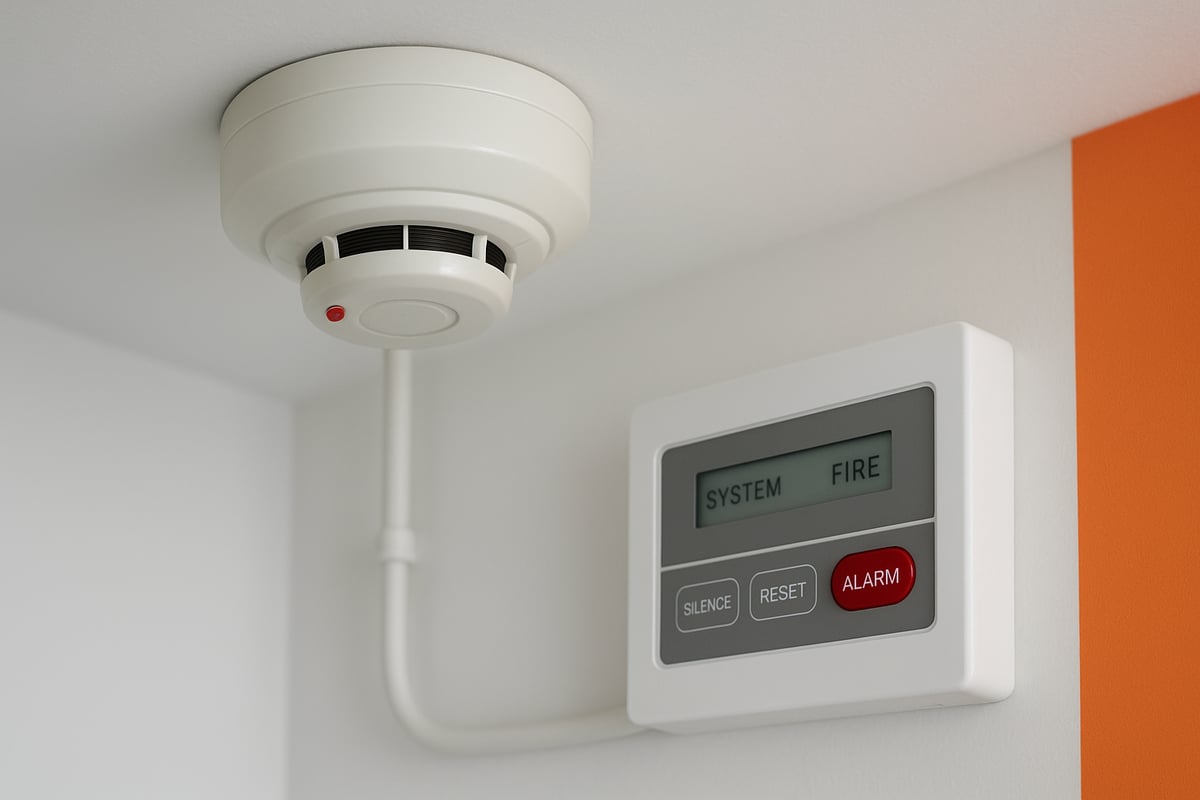
A smoke detector fire alarm system is a network of devices designed to detect smoke and alert occupants through audible and visual alarms. Core components include smoke detectors, heat detectors, a central control panel, alarm sounders, and wiring or wireless connectivity.
These systems work by constantly monitoring the air for signs of smoke or heat. Once a threat is detected, the system triggers alarms to prompt evacuation and can even alert emergency services. There is a difference between a standalone smoke detector and an integrated smoke detector fire alarm system. Standalone units operate individually, while integrated systems connect multiple detectors and alarms for broader coverage.
In residential settings, a typical layout might include interconnected detectors on each floor, while commercial buildings often have zoned systems monitored from a central panel. Early detection through a Fire Alarm System Overview is crucial, as it significantly reduces the risk of injury, loss, and property damage.
Types of Smoke Detectors and Fire Alarm Systems
There are several types of smoke detectors found in a smoke detector fire alarm system, each with unique strengths. Ionisation detectors are highly responsive to fast-flaming fires, while optical (photoelectric) detectors excel at sensing slow, smouldering fires. Heat detectors activate when temperatures rise rapidly, making them ideal for kitchens or garages where smoke is common.
Systems can be standalone or interconnected, with interconnected models offering enhanced safety by ensuring all alarms sound together. In larger buildings, addressable fire alarm systems provide precise detector locations, whereas conventional systems group detectors into zones. Wireless and smart systems enable integration with building management and IoT platforms, offering flexibility for modern offices and warehouses.
The right choice depends on the environment. For example, heat detectors suit kitchens, while optical detectors are better for living spaces or offices.
How Smoke Detectors Work: The Science Behind Detection
The science behind a smoke detector fire alarm system relies on advanced detection methods. Ionisation detectors contain a small radioactive source that ionises air, making them sensitive to tiny smoke particles. Photoelectric detectors use a light beam and sensor to detect smoke as it scatters the beam.
Heat detectors use thermal sensors to spot rapid temperature increases. When smoke or heat is detected, a signal travels from the detector to the control panel, activating alarms and sometimes sending alerts to monitoring services.
Modern systems include technologies to reduce false alarms, such as dual-sensor detectors and improved algorithm-based analysis. These innovations help ensure that alarms are triggered only by genuine threats, increasing reliability and peace of mind.
UK Fire Safety Regulations and Compliance in 2026
Staying compliant with evolving UK fire safety regulations is essential for any smoke detector fire alarm system, whether installed in homes, businesses, or public buildings. As fire safety laws adapt to new technologies and risks, understanding your obligations is critical to protect lives, assets, and your reputation.
Key Legal Requirements for Smoke Detectors and Fire Alarms
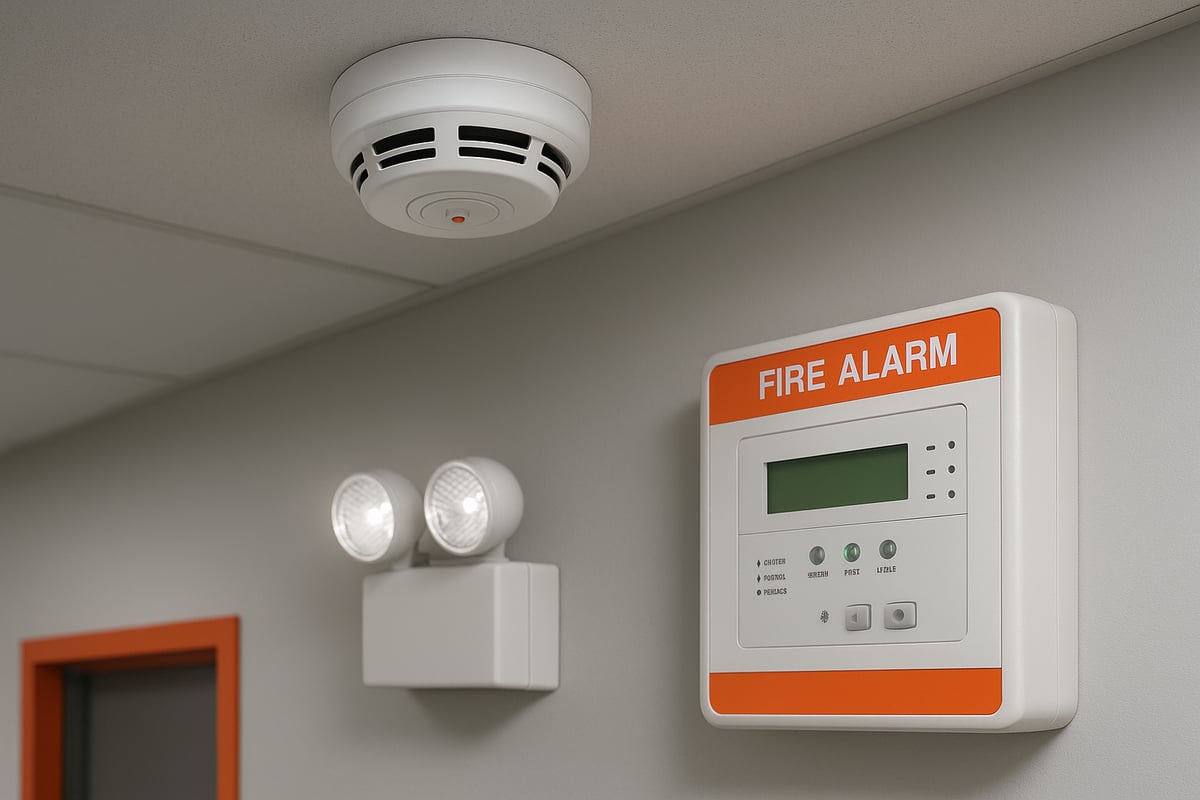
UK fire safety law is primarily governed by the Regulatory Reform (Fire Safety) Order 2005, which sets out obligations for all non-domestic premises. The British Standard BS 5839-1:2017 provides the benchmark for designing, installing, and maintaining fire alarm systems. In 2026, updates will further strengthen these standards to reflect advances in smoke detector fire alarm system technology.
Minimum requirements include:
- Adequate detection and alarm coverage for the entire building.
- Regular fire risk assessments and prompt rectification of identified hazards.
- Clearly defined responsibilities for landlords, business owners, and building managers.
Failure to comply can result in:
- Substantial fines or criminal prosecution.
- Closure of premises until issues are rectified.
- Increased insurance premiums or loss of cover.
Domestic properties, including rented homes, must meet specific requirements for smoke detector fire alarm system installation, with particular attention to interconnected alarms, especially in multi-occupancy buildings.
Standards and Certification for Fire Alarm Systems
Certifications ensure that any smoke detector fire alarm system is reliable and legally compliant. Third-party accreditation by bodies such as BAFE and NSI is vital for both installation and ongoing maintenance.
Key certification bodies:
| Certification Body | Role | Benefit |
|---|---|---|
| BAFE | Accredits installers and maintainers | Ensures competence |
| NSI | Certifies system design and installation | Verifies compliance |
Why is this important?
- Only accredited providers can guarantee that your smoke detector fire alarm system meets the latest standards.
- Certification protects against liability in the event of a fire.
- Many insurers require proof of certified installation and maintenance.
Always request documentation and certification after any system installation or upgrade. This is essential for compliance and future inspections.
Notable Regulatory Changes for 2026
The fire safety landscape is evolving rapidly. In 2026, new regulations will introduce higher standards for smart and interconnected smoke detector fire alarm system installations. These changes aim to address the increased complexity of modern buildings and the integration of IoT technologies.
Key anticipated changes include:
- Enhanced requirements for networked alarms and remote monitoring.
- Stricter guidelines on the placement and maintenance of detectors in high-risk areas.
- Expanded legal obligations for landlords and duty holders.
For a detailed look at the most significant upcoming updates, see the Key changes to BS 5839-1:2025. Recent enforcement actions highlight the importance of regular reviews and prompt action when standards evolve, as non-compliance can lead to severe consequences.
By staying informed and working with certified professionals, you can ensure your smoke detector fire alarm system is both compliant and future-proof.
Choosing the Right Smoke Detector Fire Alarm System
Selecting the ideal smoke detector fire alarm system is a critical step in protecting lives and property. The right choice depends on a thorough understanding of your building’s unique risks and requirements. A systematic approach ensures compliance and peace of mind.
Assessing Your Fire Safety Needs
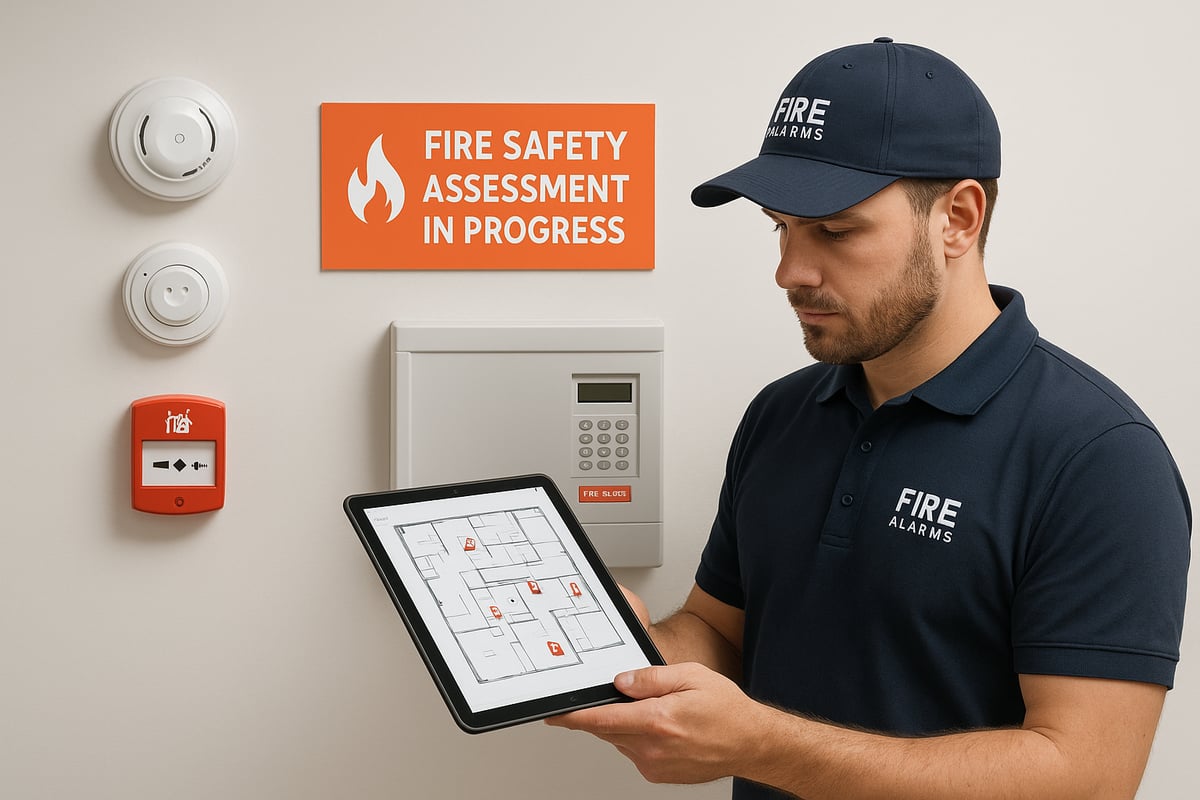
Before investing in a smoke detector fire alarm system, conduct a comprehensive fire risk assessment. This process identifies hazards, evaluates who is at risk, and determines the type of system best suited for your premises. Factors such as building size, occupancy, and special risks like kitchens or server rooms must be considered.
For detailed guidance, refer to the UK Fire Risk Assessment Requirements, which help ensure your approach is both thorough and compliant. Customising your smoke detector fire alarm system to your specific environment is essential for maximum effectiveness and legal compliance.
Comparing System Features and Technologies
When comparing smoke detector fire alarm system options, focus on features that match your safety needs. Sensitivity levels, battery life, and connectivity options are key factors. Consider whether you need remote monitoring or integration with home automation and security systems.
Wireless systems offer flexibility and ease of installation, while wired systems may provide more reliability in larger buildings. Balance cost, maintenance, and future upgrade potential to ensure your smoke detector fire alarm system remains effective over time.
Selecting a Qualified Installer
A professionally designed and installed smoke detector fire alarm system ensures reliability and compliance. Always verify that installers hold relevant certifications, have proven experience, and can provide references from previous projects.
Poor installation can compromise detection coverage and system response, putting occupants at risk. Taking time to vet your installer is a crucial investment in your building’s safety and ongoing compliance.
Logic Fire and Security: Trusted Fire Alarm System Experts
Logic Fire and Security is renowned for its expertise in designing, installing, and maintaining advanced smoke detector fire alarm system solutions. Their nationwide service ensures all projects meet the latest UK regulations.
As a BAFE and NSI Gold accredited provider, Logic Fire and Security tailors systems to the specific needs of businesses, landlords, and public agencies. Choosing a trusted expert guarantees your system is both compliant and future-ready.
Installation and Setup: Step-by-Step Guide for 2026
Proper installation is the foundation of an effective smoke detector fire alarm system. Whether you are safeguarding a home or a large commercial site, following best practices ensures protection, compliance, and peace of mind.
Pre-Installation Planning
Every successful smoke detector fire alarm system installation starts with thorough planning. A site survey identifies potential fire hazards and unique building features. Risk assessments help determine the number and types of detectors needed for comprehensive coverage.
Careful planning includes mapping out optimal detector locations to ensure early detection. In commercial properties, coordination with building management is crucial for seamless integration and minimal disruption. For residential settings, consider family routines and sleeping areas to maximise protection.
Installation Process Explained
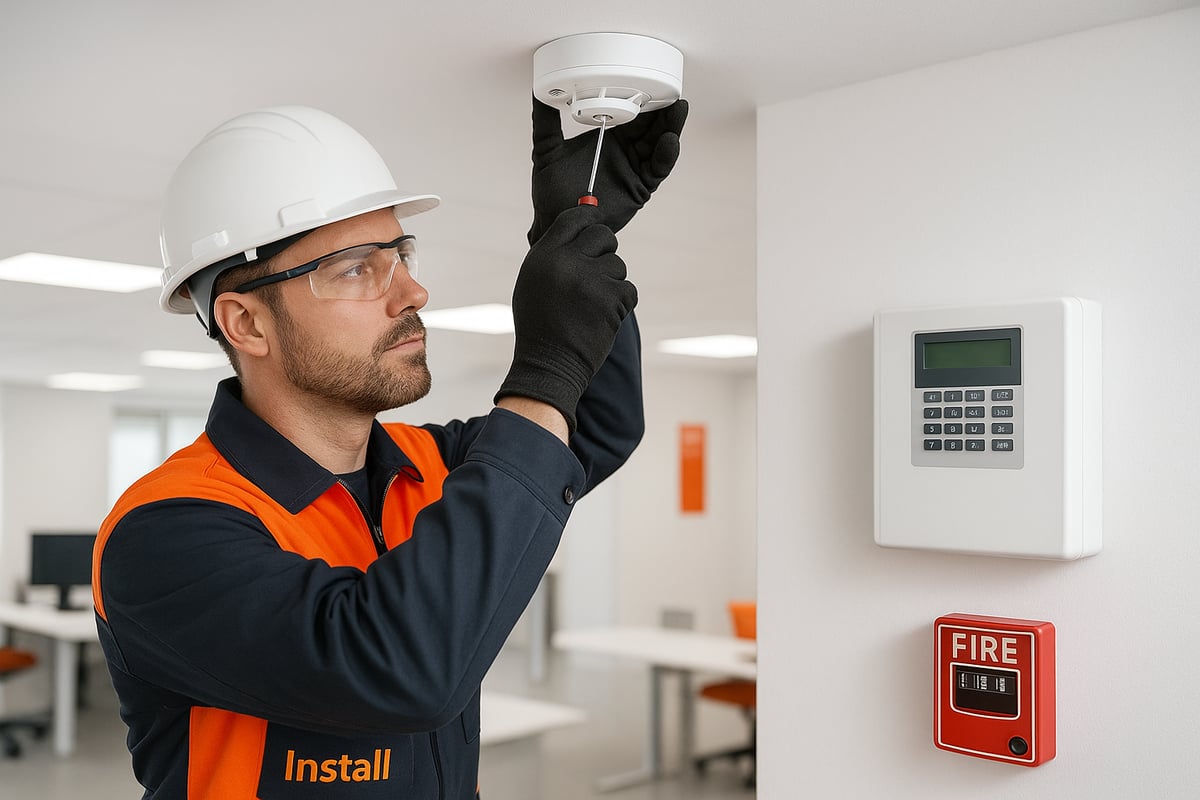
The actual installation of your smoke detector fire alarm system involves several precise steps. First, fit mounting plates or brackets at mapped locations. Next, install detectors, ensuring correct height and distance from obstructions.
Wiring should follow manufacturer guidelines and legal standards. Connect detectors to the control panel, then integrate with emergency lighting or evacuation systems if required. For commercial premises, refer to the Commercial Fire Alarm Systems Guide for detailed system layouts and compliance tips.
Post-Installation Testing and Commissioning
After installation, every smoke detector fire alarm system must undergo rigorous testing. Each detector and alarm is triggered to confirm proper operation. Functional tests ensure the system responds correctly to smoke or heat.
Documentation is essential. Record all test results, system settings, and locations for compliance and future reference. Before handover, train occupants or staff on how to operate the system, silence alarms, and respond to alerts.
Common Installation Mistakes to Avoid
Incorrect placement is a frequent error when fitting a smoke detector fire alarm system. Avoid installing detectors near kitchens or bathrooms where steam can cause false alarms. Ensure coverage in all escape routes and high-risk areas.
Other pitfalls include inadequate wiring, ignoring manufacturer instructions, or skipping post-installation tests. Regularly review your system to ensure it meets current standards and remains upgrade-ready for new technologies.
Maintenance, Testing & Upgrading Your System
Ongoing care is essential to maximise the effectiveness of your smoke detector fire alarm system. Proper maintenance, regular testing, timely upgrades, and prompt troubleshooting all play a crucial role in safeguarding lives and property. Here is how to keep your system compliant, reliable, and ready for the challenges of 2026.
Routine Maintenance Requirements
To remain legally compliant and ensure optimal performance, every smoke detector fire alarm system requires scheduled maintenance. Both UK regulations and manufacturers set out clear timetables for these checks. Key tasks include inspecting batteries, cleaning sensors, checking detector sensitivity, and verifying control panel functionality.
All maintenance activities should be logged in a dedicated record. This documentation is essential for insurance purposes and to demonstrate compliance during inspections. Many organisations now use digital logbooks to streamline this process. Reliable maintenance reduces the risk of faults and extends the lifespan of your smoke detector fire alarm system.
Regular Testing for Reliability
Routine testing is crucial for the ongoing reliability of your smoke detector fire alarm system. Weekly sounder checks and monthly detector tests help identify issues before they become critical. Annual professional servicing is recommended to inspect the entire system, including wiring and backup power supplies.
Testing should be conducted in a way that minimises disruption to building occupants. Use test buttons and simulated smoke rather than real smoke sources. Professional engineers can provide guidance on best practice. Regular testing ensures your smoke detector fire alarm system will operate effectively when it matters most.
Upgrading for 2026 and Beyond
As technology advances, upgrading your smoke detector fire alarm system is not just recommended, it is often necessary. Outdated detectors or panels can compromise safety and fail to meet new standards. Upgrades may include switching to smart or addressable systems, which offer improved detection and remote monitoring.
Staying informed about advancements such as AI-powered fire detection and predictive maintenance can future-proof your investment. For a detailed look at inspection and upgrade procedures, see the resource on Fire Alarm System Inspections. Investing in modernisation can significantly improve fire safety outcomes in the years ahead.
Troubleshooting Common Issues
Even the best-maintained smoke detector fire alarm system can encounter issues. Common problems include false alarms triggered by dust or steam, sensor faults, or control panel errors. Regular cleaning and correct placement help reduce nuisance alarms.
If your system repeatedly signals faults or fails to activate during testing, consult a qualified fire alarm engineer. Prompt attention to these issues is vital to maintain the reliability and legal compliance of your smoke detector fire alarm system.
Future Trends in Smoke Detector Fire Alarm Systems
The landscape of fire safety is advancing rapidly as we look toward 2026. New technologies, increased sustainability, and emerging risks are all shaping the next generation of the smoke detector fire alarm system. Staying ahead of these trends is vital for ensuring protection and compliance.
Technological Innovations for 2026
By 2026, AI-powered detection is transforming the smoke detector fire alarm system. Artificial intelligence analyses sensor data in real time, distinguishing between real threats and harmless sources, which dramatically reduces false alarms.
Smart integration is also on the rise. Systems now connect seamlessly with building management and home automation platforms, offering remote monitoring and control from any device. Enhanced connectivity, including IoT and 5G, allows for instant alerts and predictive maintenance, ensuring issues are addressed before they become critical. For a deeper look at these advancements, explore AI-powered fire detection innovations.
The ability to update system software over the air means your smoke detector fire alarm system remains current with the latest safety features. These innovations are making fire protection more reliable and user-friendly.
Sustainability and Environmental Considerations
Sustainability is now a core focus in fire safety. Manufacturers are developing eco-friendly smoke detector fire alarm system components, using recyclable materials and designing for energy efficiency.
Modern systems consume less power and are equipped with long-life batteries, reducing waste and maintenance costs. False alarm rates are being reduced through smarter sensors, further minimising unnecessary energy use and disruption.
Adopting a sustainable smoke detector fire alarm system not only supports environmental goals but also ensures compliance with evolving green building standards. These improvements make systems more attractive for both businesses and homeowners.
Evolving Security Threats and Fire Risks
The rise of new technologies brings fresh fire risks. Lithium-ion batteries, now common in electric vehicles and portable devices, can ignite quickly and require specialised detection.
A modern smoke detector fire alarm system must adapt to these hazards. Systems are being tailored for areas with high concentrations of electronic equipment, such as charging stations and server rooms.
Hybrid working and flexible building use also require adaptable solutions. Advanced systems can be reconfigured easily to match changing layouts or occupancy, maintaining comprehensive coverage in every scenario.
Preparing for the Future: What to Expect
Looking ahead, regulatory bodies are expected to introduce stricter requirements for the smoke detector fire alarm system. This includes mandatory integration with smart technologies and more robust data reporting.
Market trends suggest continued growth, with the Smoke Detector Market projections indicating rising adoption in both residential and commercial sectors.
To future-proof your smoke detector fire alarm system, stay informed about new standards, invest in upgradable technologies, and seek expert advice on ongoing compliance. Regular reviews and updates will ensure your fire safety measures remain effective and ready for what lies ahead.
As you look ahead to 2026 and consider the best ways to keep your people and property safe, it’s important to remember that every building has unique fire safety needs. Whether you’re seeking guidance on the latest regulations, exploring smart technologies, or ensuring your system is installed and maintained to the highest standard, expert support can make all the difference. If you’d like tailored advice or want to see how your premises measure up, you can Get a Free Site Survey. This is a simple, no-obligation way to start building a safer, more compliant future.