

Fire safety is changing at an unprecedented pace, making it vital for every organisation to stay ahead. The risks are real, and modern alarm systems fire solutions have become essential for protecting lives and property.
This guide provides up-to-date insights on alarm systems fire, from the latest technologies and evolving regulations to practical tips for compliance. Whether you manage an office, school, or warehouse, understanding these systems is crucial.
Discover the categories of alarm systems, learn about new standards for 2026, and explore best practices for choosing, maintaining, and upgrading your fire protection. Take the next step towards safer, smarter fire safety today.
The Fundamentals of Fire Alarm Systems
Understanding the basics of alarm systems fire protection is crucial for any property owner or manager. Effective fire safety starts with knowing how these systems function, their main types, and why early detection saves lives and assets.
What Are Fire Alarm Systems?
Fire alarm systems are integrated networks designed to detect, alert, and facilitate evacuation in the event of fire. Their primary role is to provide early warning to occupants, minimising risk to life and property.
These systems use sensors to spot smoke, heat, or flames, then trigger audible and visual warnings. Unlike other safety systems, alarm systems fire setups focus on rapid detection and coordinated evacuation. For a deeper dive, see Fire alarm system fundamentals.
Main Categories of Fire Alarm Systems
There are three main categories:
- Manual systems (Category M): Operated by people, such as break glass call points.
- Automatic systems: Rely on smoke, heat, or flame detectors to activate alarms.
- Hybrid systems: Combine both manual and automatic features for enhanced coverage.
Each type is chosen based on building risk and operational needs.
Fire Alarm System Classifications (L, P, M)
Alarm systems fire solutions are classified by their purpose:
- Life protection (L1–L5): L1 covers the entire building, while L5 targets specific risks.
- Property protection (P1, P2): P1 protects the whole site, P2 focuses on high-risk zones.
- Manual (M): Relies solely on manual activation points.
Selecting the right classification ensures compliance and effective risk management.
Core Components and How They Work
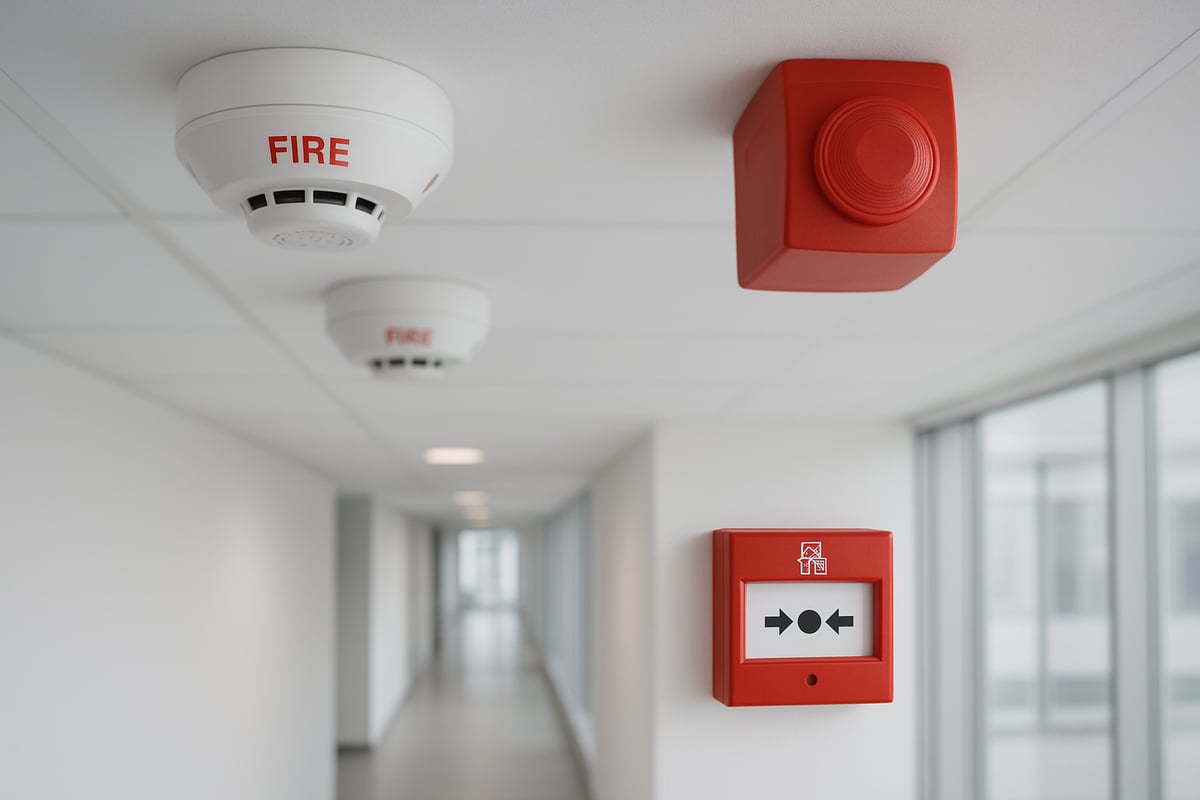
Key components include:
- Detectors: Sense smoke, heat, or flames.
- Control panels: Process signals and manage alerts.
- Sounders: Emit alarms to warn occupants.
- Manual call points: Allow people to trigger alarms.
When a detector senses fire, it signals the control panel, which then activates sounders and prompts evacuation.
Typical Applications and Building Types
Alarm systems fire solutions are tailored for various environments:
- Commercial offices and retail spaces
- Industrial facilities and warehouses
- Public sector buildings like schools and hospitals
- Residential flats or care homes
System design considers building function, occupancy, and specific fire risks.
The Importance of Early Warning
Early warning is vital. Studies show that rapid detection from alarm systems fire installations significantly reduces casualties and damage. For example, BAFE SP203-1 compliance mandates fast activation to support swift evacuation, giving people precious time to escape.
Regulatory Standards and Compliance in 2026
Staying compliant with evolving regulations is essential for effective alarm systems fire protection. In 2026, updated standards and legal frameworks are shaping how systems are designed, installed, and maintained. Understanding these requirements is key to keeping people and property safe.
Key UK and International Fire Alarm Standards
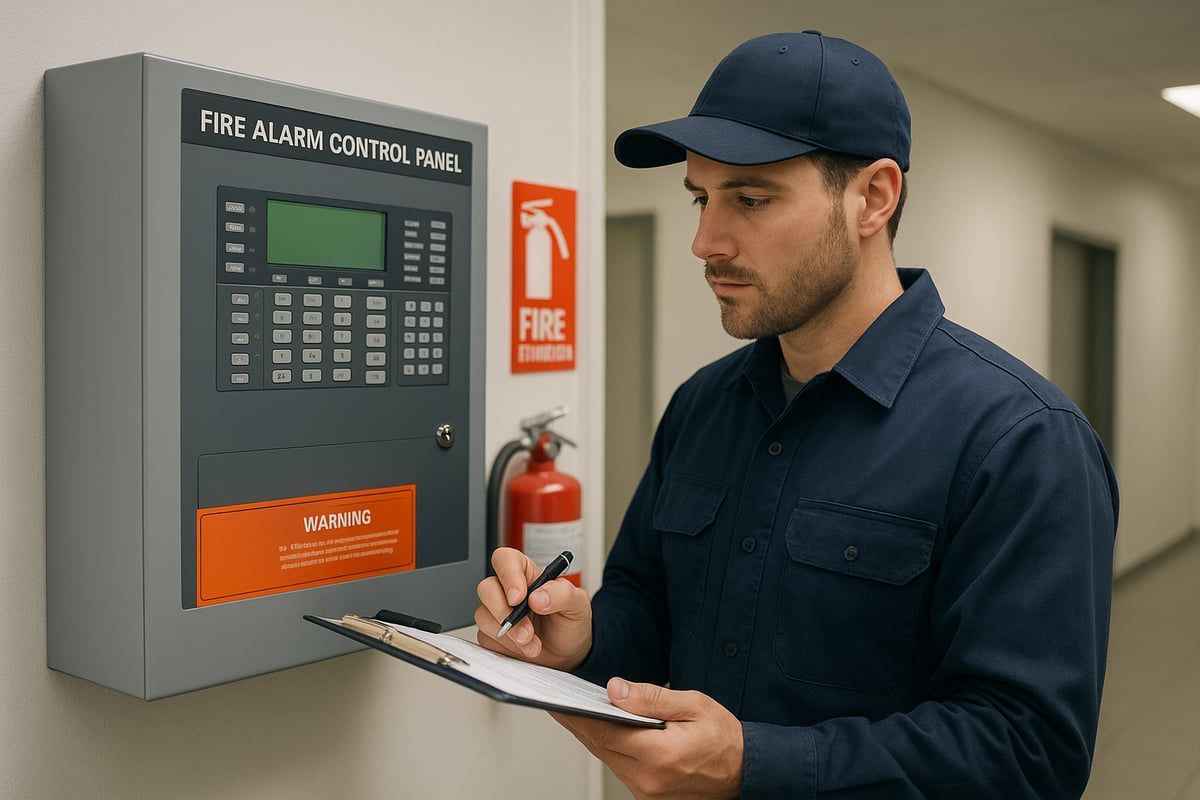
Alarm systems fire regulations in the UK are primarily governed by BS 5839-1:2017, with anticipated updates set for 2026. This standard outlines requirements for system design, installation, and maintenance. BAFE SP203-1 certification ensures installers meet these benchmarks. Internationally, EN 54 and ISO 7240 provide frameworks for system components and performance, aligning UK practices with global expectations. These standards are regularly reviewed to address new risks and technologies.
Legal Obligations for Businesses and Property Owners
UK law, notably the Regulatory Reform (Fire Safety) Order 2005, places a duty of care on employers, landlords, and responsible persons. A thorough fire risk assessment is mandatory, and appropriate alarm systems fire solutions must be installed and maintained. Non-compliance can result in severe penalties, including fines or prosecution. Businesses must keep up to date with any changes to ensure ongoing legal protection.
Recent and Upcoming Regulatory Changes
2026 will bring significant updates to BS 5839-1 and related codes. These changes reflect lessons from the Grenfell Tower Inquiry, resulting in stricter requirements for high-rise and multi-occupancy buildings. Enhanced system performance, improved detection, and faster alerting are key themes. For detailed guidance, see the BS 5839-1:2025 fire alarm system changes. Staying informed is crucial for anyone managing alarm systems fire compliance.
Accreditation and Certification: Why It Matters
Accreditation demonstrates competence and reliability in alarm systems fire installation and maintenance. BAFE and NSI Gold are leading certifications, requiring companies to undergo regular audits and staff training. These accreditations give assurance that systems are installed to the highest standards. NSI Gold companies, for example, are subject to rigorous inspections, which help maintain industry best practices and ongoing compliance for clients.
Documentation and Record-Keeping
Proper documentation is essential for audits and legal defence. This includes fire log books, system certificates, and maintenance records. Keeping accurate, up-to-date records ensures traceability and proves that alarm systems fire procedures are being followed. During inspections, clear and organised documentation can demonstrate compliance and support insurance claims if incidents occur.
Common Compliance Pitfalls
Common pitfalls in alarm systems fire compliance include incomplete risk assessments, using uncertified products or installers, and letting documentation lapse. These issues can lead to enforcement action or, worse, increased risk to occupants. Regular reviews, staff training, and working with accredited providers help avoid these mistakes and keep your building safe.
Fire Alarm System Technologies: Trends for 2026
Fire safety is entering a new era, with technology reshaping how alarm systems fire solutions protect buildings and occupants. In 2026, significant advances are emerging across detection methods, integration, maintenance, sustainability, and security. Understanding these developments is crucial for future-proofing your fire safety strategy.
Latest Advances in Detection and Notification
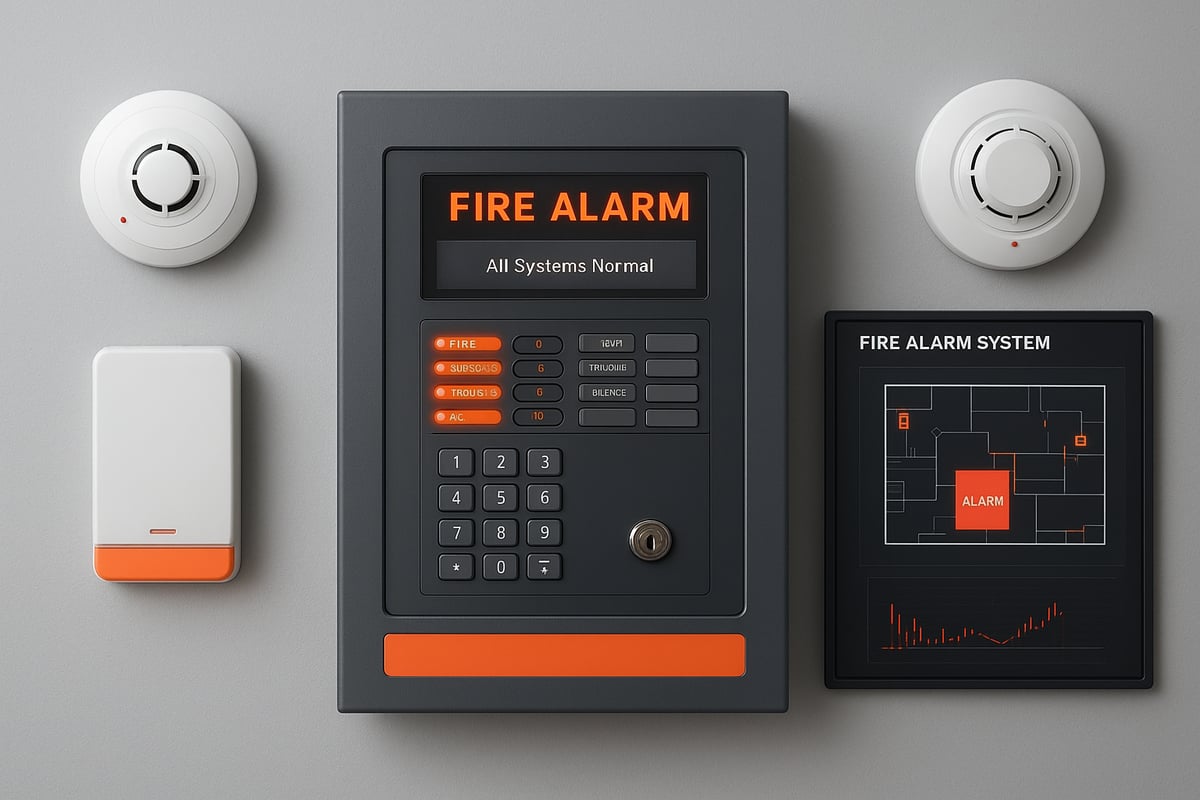
The landscape for alarm systems fire detection is evolving quickly. Traditional conventional systems are giving way to addressable solutions, offering pinpoint accuracy for incident locations. Wireless and hybrid fire alarm technologies are becoming the standard, providing flexibility for complex or occupied sites.
Multi-sensor detectors, which combine smoke, heat, and carbon monoxide sensing, are reducing false alarms and increasing reliability. These innovations, as highlighted in the Trends in fire alarm system technologies, are making alarm systems fire deployments more precise and efficient.
Integration with Building Management and Security
Modern alarm systems fire installations are no longer isolated. They integrate seamlessly with building management systems, access control, and CCTV. This connectivity enables automated evacuation, targeted voice alarms, and real-time situational awareness during emergencies.
For instance, when an alarm triggers, lifts can be grounded, doors unlocked, and cameras activated, ensuring coordinated response. Such integrated alarm systems fire setups enhance both life safety and operational efficiency.
Remote Monitoring and Maintenance Innovations
Alarm systems fire technology now leverages cloud-based platforms for remote monitoring. Real-time alerts and system diagnostics are available to facilities teams and service providers, ensuring rapid attention to faults or incidents.
IoT sensors enable predictive maintenance, identifying issues before they escalate. Many organisations rely on 24/7 monitoring centres to manage alarm systems fire events, reducing response times and improving reliability.
Sustainability and Eco-Friendly Solutions
Sustainability is shaping alarm systems fire design and operation. Manufacturers are introducing low-power devices and energy-efficient components, aiming to reduce the environmental impact of fire safety systems.
Eco-friendly materials and responsible manufacturing practices are gaining ground. Compliance with ISO 14001 underlines the sector’s commitment to environmental management, making alarm systems fire installations greener and more responsible.
Cybersecurity and System Resilience
As alarm systems fire become more connected, cybersecurity is a top priority. Systems are now built with encrypted communications to protect against unauthorised access and cyber threats.
Regulations increasingly demand secure installation and regular security audits. Building owners should ensure their alarm systems fire infrastructure is resilient against both physical and digital vulnerabilities.
Case Study: Technology in Action
A recent high-rise project illustrates the power of modern alarm systems fire technology. The building uses addressable, cloud-monitored alarms and multi-sensor detectors throughout.
Since installation, false alarms have dropped by 60 percent, and evacuation times have improved significantly. The system’s remote diagnostics have enabled proactive maintenance, ensuring ongoing compliance and enhanced occupant safety.
Choosing the Right Fire Alarm System for Your Building
Selecting the appropriate alarm systems fire solution is crucial for every building owner or manager. The right system not only ensures safety and compliance but also future-proofs your property against evolving risks and regulations.
Risk Assessment and System Selection
A comprehensive fire risk assessment forms the foundation of choosing alarm systems fire protection. This process identifies hazards, evaluates the risk to occupants, and determines the level of detection and warning required. Both legal and practical steps are involved, including reviewing building use, occupancy, and specific vulnerabilities.
Matching system type (L, P, M) to the risk profile is essential. For example, an office may need a life safety system, while a warehouse could require property protection. For in-depth guidance, refer to the Fire risk assessment and compliance resource, which explains how assessments drive system selection and compliance.
Key Selection Criteria
When comparing alarm systems fire options, consider several key criteria:
- Building size and layout
- Number of occupants and usage patterns
- Existing infrastructure and upgrade complexity
- Budget, including long-term maintenance costs
A warehouse with open spaces may benefit from advanced heat detection, while a residential block demands reliable smoke alarms and clear evacuation routes. Assessing these criteria ensures the chosen system is both effective and compliant.
Working with Accredited Providers
Partnering with accredited companies is vital for alarm systems fire projects. Choose providers certified by BAFE or holding NSI Gold status, as these accreditations demonstrate technical competence and ongoing compliance.
Ask potential suppliers about their certification, experience with similar buildings, and their approach to regulatory updates. NSI audits approved companies regularly, ensuring high standards are maintained. This step reduces risk and increases project success.
Logic Fire and Security: Trusted Fire Alarm Solutions
Logic Fire and Security delivers end-to-end alarm systems fire solutions, covering design, installation, monitoring, and maintenance. With over 20 years of experience supporting UK businesses and public sector clients, they are accredited by BAFE, NSI Gold, and NICEIC.

Their tailored systems suit various environments, including offices, warehouses, healthcare, and education. Logic offers a free site survey, bespoke designs, 24/7 monitoring, and rapid response, delivering compliance and peace of mind.
Installation and Handover Process
A typical alarm systems fire installation follows a structured process:
- Initial design and risk assessment
- Equipment supply and site preparation
- Professional installation by certified engineers
- System commissioning and performance testing
- User training and handover with clear documentation
Minimal disruption and thorough training are priorities, ensuring building occupants understand alarm operation and response procedures.
Example Scenarios and Solutions
Many buildings face unique challenges when upgrading alarm systems fire technology. Heritage sites may require discreet upgrades that preserve original features, while occupied premises benefit from wireless alarms for rapid, non-invasive installation.
Custom solutions address specific needs, ensuring both regulatory compliance and operational efficiency. Each scenario highlights the importance of expert assessment and tailored design.
Maintenance, Testing, and Upgrading: Ensuring Ongoing Protection
Regular upkeep is vital to keep alarm systems fire ready and compliant. Effective maintenance ensures early detection and reliable response, protecting both people and property.
Scheduled Maintenance and Legal Requirements
Routine maintenance is a legal necessity for alarm systems fire compliance in the UK. BS 5839-1:2017, with updates expected in 2026, sets minimum intervals for checks. Certified professionals must perform quarterly and annual inspections, ensuring all components work as intended.
Failing to maintain alarm systems fire can result in penalties and increased risk. Keeping a proactive schedule helps prevent system failures and supports a safe environment.
Testing Procedures and Best Practices
Weekly and monthly testing routines are essential to verify that alarm systems fire operate correctly. Tests include activating manual call points and simulating detector responses. Maintenance log books or digital records must document every test.
For detailed advice, consult the fire alarm testing best practices page, which outlines step-by-step procedures and compliance tips. Regular drills also ensure staff readiness during real emergencies.
Common Faults and Troubleshooting
Even with regular care, alarm systems fire can develop faults. Common issues include dust or contamination in detectors, loose wiring, or battery failures in backup power supplies.
Diagnostic tools help identify faults quickly. Remote monitoring solutions can alert you to system issues before they become critical, minimising downtime and disruption.
Upgrading and Future-Proofing Your System
Recognising when to upgrade is key to maintaining effective alarm systems fire protection. Triggers include regulatory changes, building alterations, or outdated equipment reaching end of life.
Modular and scalable system designs allow for easy upgrades. For more on selecting and upgrading commercial solutions, explore the commercial fire alarm systems guide, which covers practical advice and options for diverse building needs.
Staff Training and Fire Drills
Staff must know how to respond when alarm systems fire activate. Regular fire drills and thorough training ensure everyone understands evacuation procedures and the location of manual call points.
Responsible persons should receive training on system basics and emergency protocols. This builds confidence and supports compliance with workplace safety standards.
Costs and Budgeting for Maintenance
Maintenance costs for alarm systems fire depend on system complexity, building size, and contract type. Preventative contracts offer better value than reactive repairs, reducing long-term expenses.
Budgeting should account for regular inspections, testing, and potential upgrades. Investing in quality maintenance ensures reliability and peace of mind.
Expert Insights and Recommendations for 2026
Staying ahead with alarm systems fire technology is vital as we approach 2026. The landscape is shifting rapidly, with new tools and smarter integration shaping how we protect lives and property.
Key Trends Shaping Fire Alarm Systems
In 2026, alarm systems fire solutions are evolving through automation, AI, and deeper building integration. Smart detectors, predictive maintenance, and voice evacuation are becoming standard. The rise of cloud-based management and wireless systems also enables faster response and easier upgrades. To explore more on how AI, drones, and connectivity are driving these changes, see Fire service technology trends for 2026.
Regulatory Outlook and Anticipated Changes
Regulations around alarm systems fire are expected to tighten post-2025. Anticipate new mandates for evacuation alert systems, especially in high-rise and complex buildings. The UK will likely update BS 5839-1 and related codes, integrating Grenfell Inquiry recommendations. Staying ahead of these changes is crucial for compliance, as authorities focus on system reliability, traceability, and improved occupant safety.
Best Practice Tips from Industry Leaders
Leading experts recommend choosing accredited providers for alarm systems fire installations. Regular risk assessments, scalable system design, and thorough documentation are essential. Investing in future-ready technology ensures compliance and reduces long-term costs. Industry data highlights that proactive maintenance and staff training are key to effective fire protection and system longevity.
Real-World Examples and Lessons Learned
Recent case studies show that alarm systems fire solutions with integrated monitoring and smart detection deliver faster, safer evacuations. In one UK office, cloud-linked alarms reduced false activations by 40 percent. Common pitfalls include outdated technology or lack of staff training, underlining the need for ongoing education and system reviews.
Preparing for the Future: Actionable Steps
To future-proof alarm systems fire, regularly review risk assessments and schedule annual compliance audits. Keep up with technology trends, such as IoT-enabled devices and remote diagnostics. Prioritise staff training and clear documentation. Engaging with accredited providers ensures your system remains effective and compliant as regulations and threats evolve.
Useful Resources and Further Reading
For more on alarm systems fire compliance, visit official resources like BAFE and NSI. The UK government’s fire safety portal and industry guides offer up-to-date standards and training options. Staying informed and investing in ongoing education will keep your fire protection strategy robust and ready for the future.
After exploring the latest advances, compliance requirements, and best practices for fire alarm systems in 2026, you might be considering the next practical steps for your building’s safety. Whether you’re looking to upgrade, ensure ongoing compliance, or simply want peace of mind, Logic Fire and Security offers tailored solutions designed for your needs. Their expertise covers every stage, from initial risk assessment to installation and maintenance, helping you stay ahead of regulations and protect what matters most. If you’d like to see what’s possible for your premises, you can Get a Free Site Survey and receive expert advice specific to your business.