

Did you know that UK businesses have seen a marked rise in targeted theft and cyber attacks in recent years? In today’s unpredictable environment, the need for robust commercial security systems has never been greater. Whether you manage a bustling office, a busy warehouse, or a high-street retail shop, evolving threats can put your assets, staff, and reputation at risk.
This guide is designed to give business owners and facilities managers the essential knowledge to select, implement, and maintain commercial security systems in 2026. You will discover the latest system types, key components, industry trends, step-by-step planning advice, compliance essentials, and smart maintenance strategies.
By the end of this guide, you will be empowered to make informed choices to protect your premises and ensure business continuity.
Understanding Commercial Security Systems
Protecting a business today means much more than locking doors at night. Commercial security systems safeguard assets, staff, and sensitive data across sectors like offices, warehouses, retail, and hospitality. As threats evolve, integrated solutions become vital for business continuity and peace of mind.
What is a Commercial Security System?
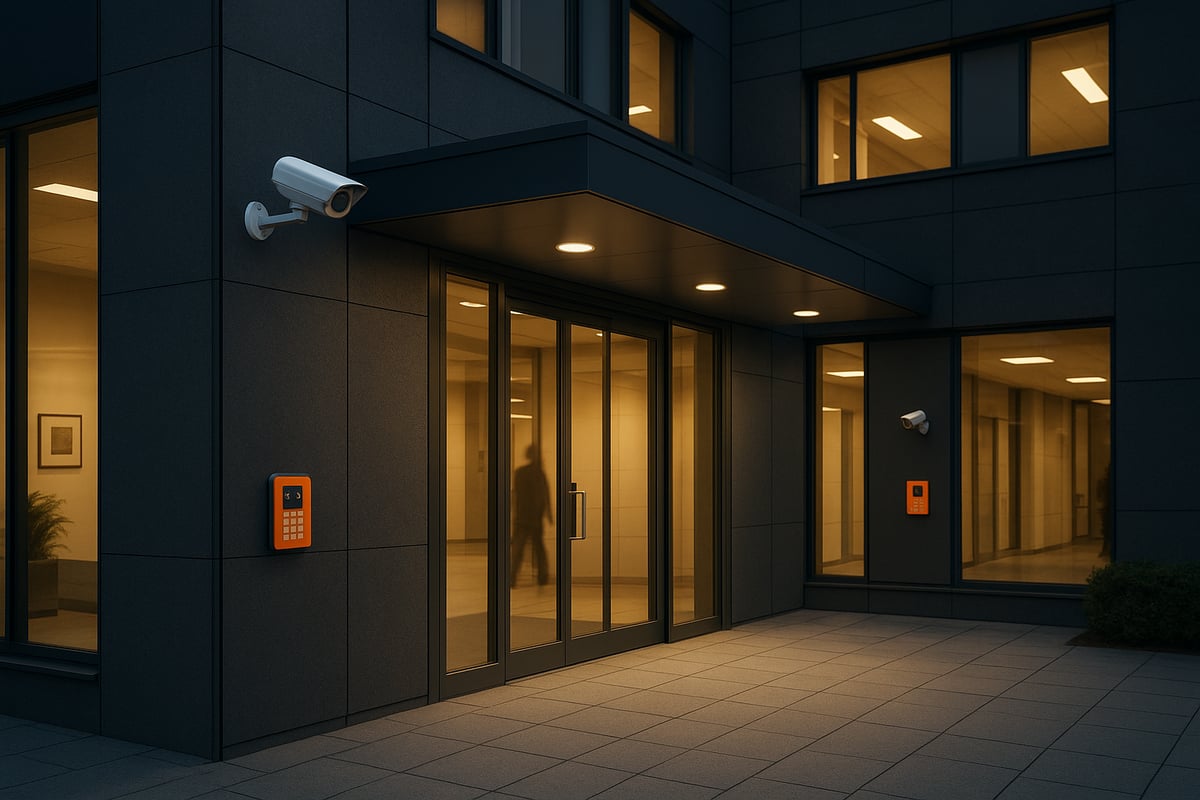
A commercial security system is a comprehensive network designed to protect business premises against physical and digital threats. Unlike residential systems, which focus on homes, commercial security systems address larger, more complex environments with higher stakes.
These systems incorporate both physical defences, such as alarms and CCTV, and electronic safeguards like access control. Businesses of all sizes rely on them, from bustling retail stores to sprawling warehouses and busy hotels. The integration of multiple technologies ensures seamless protection, which is why over 75,000 UK businesses trust leading providers for their security needs.
Integrated solutions allow for real-time monitoring, centralised management, and swift responses to incidents. This combination of features makes commercial security systems an essential investment for any organisation aiming to protect its people and assets.
Key Components of a Modern Security System
Modern commercial security systems are made up of several key components, each tailored to address specific risks. Here is a summary of the most important elements:
| Component | Description | Example Use Case |
|---|---|---|
| Intruder Alarms | Wired, wireless, or smart sensors detect unauthorised entry | Multi-zone office alarms |
| CCTV | HD or IP cameras with night vision, analytics | Retail theft prevention |
| Access Control | Keycards, biometrics, intercoms manage entry | Restricted warehouse access |
| Fire & Smoke Detection | Integrated fire, smoke, or gas sensors | Hospitality sector compliance |
| Monitoring | 24/7 remote response, police/private security | Real-time incident alerts |
| Data & Cyber Security | Protection against hacking and breaches | GDPR compliance |
Intruder alarms serve as the first line of defence, while CCTV provides visual verification and evidence. Access control systems restrict entry to authorised personnel, and fire detection is often integrated to ensure comprehensive safety.
Monitoring services offer round-the-clock vigilance, ensuring rapid response in emergencies. As digital threats rise, robust data and cyber security features are increasingly included in commercial security systems for total protection. Integration with building management systems enables automation and central control, which is vital for modern businesses.
Why Businesses Need Security in 2026
The landscape for UK businesses is changing rapidly, with crime rates and threat sophistication on the rise. According to UK business crime statistics 2025, incidents targeting commercial premises have increased, underlining the need for advanced commercial security systems.
Security is not just about theft prevention. It is essential for:
- Meeting insurance and legal requirements
- Ensuring staff and customer safety
- Maintaining business continuity
- Protecting reputation and brand trust
Integrated commercial security systems help businesses comply with regulations and reduce liability. They also provide peace of mind, knowing that both physical and digital assets are guarded against an ever-changing risk environment.
Types of Commercial Security Systems
Selecting the right commercial security systems for your business is essential for robust protection and peace of mind. Each system type plays a distinct role in safeguarding your premises, assets, and people. Understanding their features and applications helps you make informed decisions tailored to your environment.
Intruder Detection and Alarm Systems
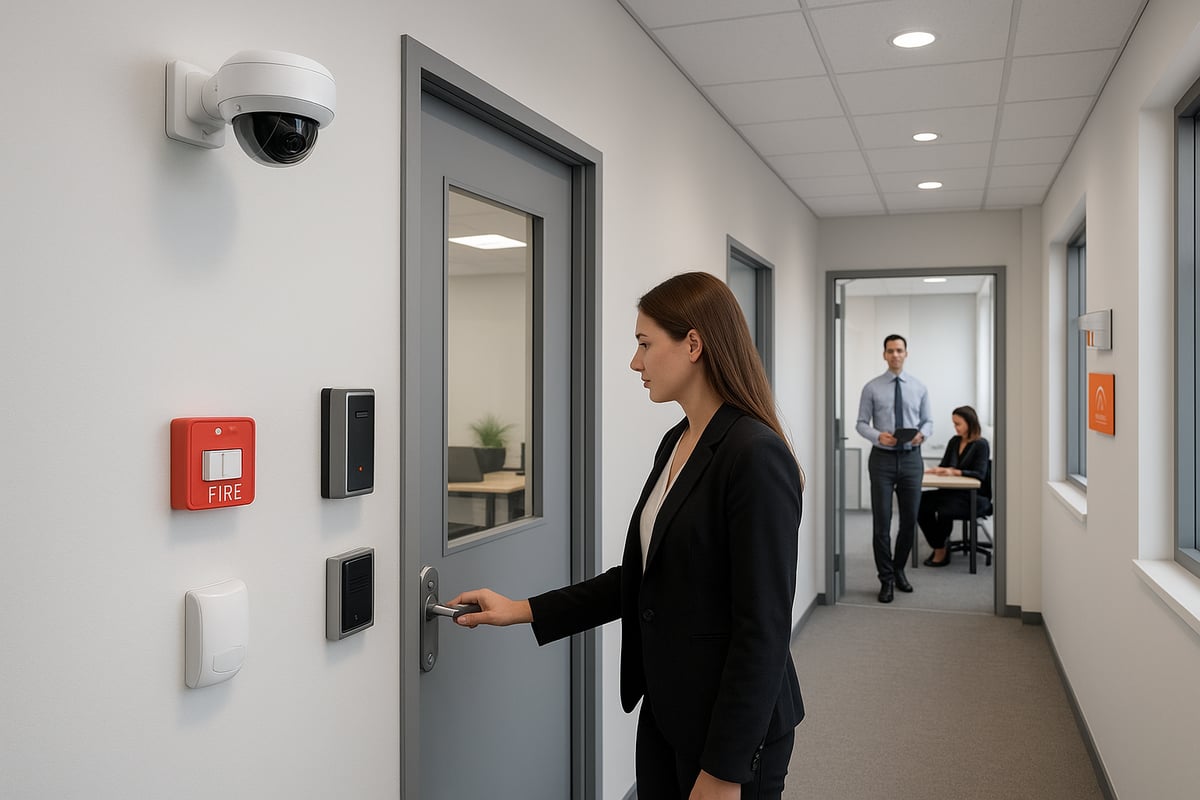
Intruder detection is a fundamental aspect of commercial security systems, providing early warning and deterring unauthorised access. These systems typically include:
- Motion sensors to monitor movement in sensitive areas.
- Door and window contacts to alert when entry points are breached.
- Glass break detectors for added perimeter protection.
When an intrusion is detected, alarms trigger immediate alerts to keyholders or monitoring centres. Many businesses integrate police response for rapid intervention. Multi-zone coverage is especially beneficial for large offices, allowing tailored responses for different building areas. The effectiveness of commercial security systems in this category lies in their ability to provide real-time protection and visible deterrence.
CCTV and Surveillance Solutions
CCTV forms the backbone of many commercial security systems by enabling continuous monitoring and evidence capture. Modern setups use HD or IP cameras, which offer clear visuals, remote access, and cloud storage capabilities. Video analytics, such as facial recognition and object tracking, enhance threat detection and streamline incident investigations.
Retailers benefit from deploying CCTV for theft prevention and staff safety. In these environments, advanced surveillance supports real-time responses to suspicious activity. For more details on advanced monitoring options, explore Commercial CCTV solutions.
Access Control Systems
Access control is a vital layer of commercial security systems, ensuring only authorised individuals enter restricted areas. Solutions range from electronic locks and keypads to biometric scanners. These systems help manage staff and visitor movements, maintaining audit trails for accountability.
Scalability is a key advantage, with options suitable for single doors or multiple locations. For example, warehouses often use access control to secure loading bays and sensitive storage zones. By integrating access control into broader commercial security systems, businesses enhance oversight and minimise internal risks.
Fire and Life Safety Integration
Integrating fire and life safety with commercial security systems is crucial for comprehensive risk management. Typical components include:
- Fire alarms and smoke, heat, or gas detectors.
- Emergency lighting and intuitive evacuation systems.
Such integration helps businesses comply with UK safety regulations, especially in sectors like hospitality. Automated alerts and clear evacuation protocols protect both staff and visitors. Combining life safety with other commercial security systems ensures seamless and effective emergency response.
Planning and Implementing a Security System: Step-by-Step
Implementing robust commercial security systems in 2026 requires a structured, methodical approach. Each stage builds on the last, ensuring your business is protected, compliant, and future-ready. Below, we break down the essential steps to plan, install, and optimise your security investment.
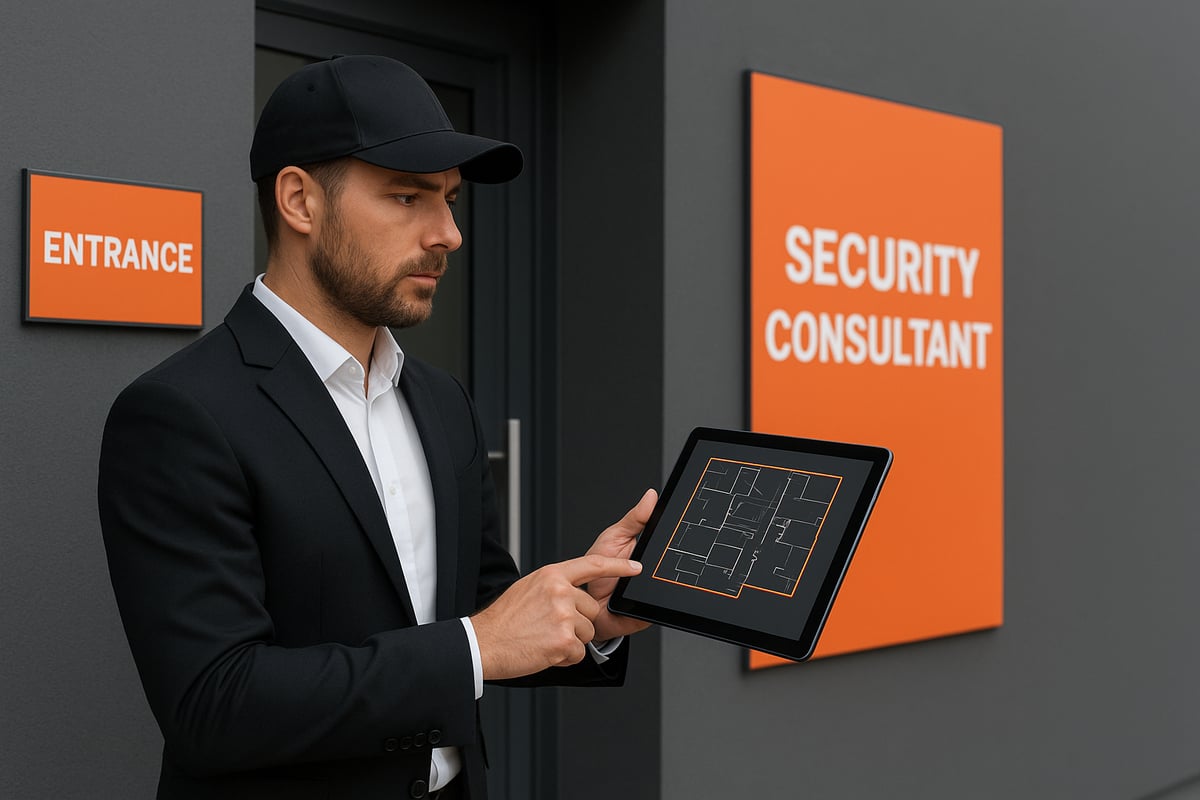
Step 1: Risk Assessment and Site Survey
The foundation of all effective commercial security systems is a thorough risk assessment. This process identifies vulnerabilities unique to your premises, such as poorly lit entrances, loading bays, or public access areas.
A professional site survey evaluates both physical and operational risks. Self-assessment checklists can highlight obvious issues, but expert consultants use advanced tools and experience to uncover hidden threats.
For example, a logistics centre might discover that its loading dock is a high-risk area for unauthorised entry, prompting specific measures in the overall security strategy.
Step 2: System Design and Customisation
Once risks are mapped, the next step is to design commercial security systems tailored to your business layout and operations. This involves selecting the right mix of technologies and integrating them for seamless control.
Considerations include choosing between wired and wireless systems, specifying camera placements, and integrating access control for sensitive areas. Multi-site businesses often require centralised management, allowing real-time oversight from a single dashboard.
Customisation ensures that security solutions are not only comprehensive but also scalable as your business grows.
Step 3: Procurement and Installation
Choosing the right provider is crucial for the long-term reliability of commercial security systems. Always select accredited suppliers and installers who comply with industry standards such as NSI Gold or BAFE.
Installation should be scheduled to minimise disruption to business operations. Reputable companies often provide 24/7 commercial protection systems, ensuring continuous monitoring from day one.
A transparent procurement process guarantees that all components are certified, and the system is fully documented for compliance and insurance purposes.
Step 4: Staff Training and User Onboarding
A well-designed system is only as effective as the people who use it. Comprehensive staff training ensures everyone understands system operation, emergency procedures, and reporting protocols.
Ongoing support and periodic refresher courses help prevent false alarms and misuse. For instance, regular training sessions can reduce accidental triggers, saving time and resources.
Promoting a security-conscious culture empowers staff to take ownership of their environment and reinforces the value of commercial security systems.
Step 5: Testing and Commissioning
The final step is rigorous testing and commissioning. Every component, from sensors to cameras and alarms, must be checked for correct operation.
Documenting the process and providing a formal handover ensures the system is ready for use and meets regulatory requirements. Final compliance checks protect your business from potential liabilities.
Continuous evaluation post-installation helps maintain optimal performance and prepares your business for evolving security challenges.
Advanced Trends in Commercial Security for 2026
Staying ahead of risks means understanding how technology is shaping commercial security systems. In 2026, businesses face a fast-evolving landscape, where innovation is the key to robust protection.
AI and Video Analytics
Artificial intelligence is transforming commercial security systems with smarter, faster, and more accurate threat detection. AI-driven video analytics can automatically flag suspicious behaviour, identify faces, and detect objects left unattended.
Predictive alerts help prevent incidents before they escalate. Behavioural analytics can distinguish between routine activity and potential threats, reducing false alarms.
For a detailed look at how these innovations are shaping the industry, see the latest 2026 Business Security Trends.
Real-time identification empowers security teams to act quickly. This technology is especially vital in high-traffic environments, where manual monitoring is no longer enough.
Cloud-Based and Remote Monitoring
Cloud technology is a game-changer for commercial security systems. Remote monitoring allows authorised users to access live feeds and control systems from any internet-connected device.
Secure offsite data storage protects vital footage and logs from loss or tampering. This is especially beneficial for businesses with multiple sites or remote operations.
Cloud integration also supports rapid system updates, ensuring your security infrastructure remains resilient against new threats.
Integration with Building Management and IoT
The future of commercial security systems lies in seamless integration with building management and IoT devices. Centralised dashboards bring together security, fire safety, HVAC, and lighting for unified control.
Automation streamlines daily operations. For example, access control can trigger lights or adjust climate settings based on occupancy.
Smart business parks use these integrations to create safer, more efficient environments, reducing manual oversight and response times.
Cyber Security and Data Protection
Protecting commercial security systems from cyber threats is crucial. Hacking and data breaches can compromise both physical and digital assets.
Complying with regulations such as GDPR and securing certifications like Cyber Essentials ensures your systems meet industry standards. Regular software updates and strong network protocols are essential for resilience.
A proactive approach to cyber security safeguards not just equipment, but also the trust of clients and stakeholders.
Sustainable and Energy-Efficient Solutions
Sustainability is now a core consideration in commercial security systems. Businesses are adopting low-energy devices and green installation practices.
Solar-powered cameras and smart scheduling reduce energy consumption and operational costs. These solutions support corporate social responsibility goals without sacrificing safety.
By investing in energy-efficient technology, organisations future-proof their security while minimising their environmental footprint.
Compliance, Accreditation, and Choosing a Provider
Choosing the right partner for commercial security systems is crucial for protecting your business. Compliance with regulations, proper accreditation, and careful provider selection ensure your investment delivers reliable, long-term protection.
Industry Standards and Legal Requirements
UK businesses must adhere to strict industry standards when implementing commercial security systems. Accreditation from bodies like NSI Gold, BAFE, BSIA, and PSA is often required for insurance and legal compliance. These accreditations assure quality, reliability, and adherence to best practices.
For sectors such as hospitality and healthcare, meeting regulatory requirements is not optional. It is essential to ensure systems are designed and installed to the highest standards, minimising liability and supporting business continuity. The Economic Crime Strategy 2025 highlights the importance of robust compliance as part of the UK’s approach to combating business-related crime.
Evaluating Security Providers
When selecting a provider for commercial security systems, look for accreditations, strong references, and experience. A reputable provider will offer end-to-end services, from risk assessment and design to installation, monitoring, and maintenance.
Tailored solutions are essential. Avoid providers offering one-size-fits-all packages, as each site has unique risks and operational needs. Check for a proven track record with similar businesses, and ensure the provider is transparent about their certifications and aftercare support.
Cost Considerations and ROI
Understanding the cost structure of commercial security systems is key. Evaluate both upfront investment and ongoing expenses, such as maintenance and monitoring fees. Accredited systems can lead to insurance savings, reducing your overall risk profile and premiums.
Consider the value of incident prevention versus the cost of loss recovery. Investing in high-quality systems and ongoing support can protect your reputation and ensure business continuity, making the return on investment clear.
Logic Fire and Security: Trusted Integrated Solutions
Logic Fire and Security delivers fully accredited commercial security systems across the UK. Their services cover risk assessment, bespoke design, professional installation, 24/7 monitoring, and comprehensive maintenance.
With expertise serving blue-chip companies and public sector clients, Logic Fire and Security ensures every solution is compliant, reliable, and tailored to each business. Their integrated approach guarantees operational continuity and robust protection for your premises, assets, and people.
Maintaining and Upgrading Your Security System
Ongoing attention to commercial security systems is essential for long-term protection. A robust maintenance and upgrade plan keeps your defences sharp, minimises downtime, and ensures your investment continues to deliver value. Let’s explore the key areas every business should prioritise for optimal security performance.
Routine Maintenance and Health Checks
Regular maintenance is the foundation of reliable commercial security systems. Scheduled inspections help identify issues before they escalate, such as sensor faults or battery depletion. Service contracts often include rapid response for urgent repairs, minimising disruption. Health checks also ensure compliance with insurance and legal standards. By keeping commercial security systems in top condition, you safeguard assets and maintain operational continuity.
System Monitoring and Rapid Response
Continuous monitoring is vital for detecting threats as they arise. Professional monitoring centres provide 24/7 oversight, issuing real-time alerts for intrusions, fire, or technical faults. Businesses benefit from rapid keyholder, police, or private security intervention. Learn more about how these services work in practice in Intruder alarm monitoring explained. Effective monitoring maximises the value of commercial security systems and supports immediate incident response.
Upgrading and Future-Proofing
Commercial security systems must evolve as threats and technologies change. Upgrading is crucial when systems reach end-of-life or when business operations expand. Integrating new solutions, such as migrating from analogue CCTV to IP-based technology, enhances protection without needing a complete overhaul. Regular upgrades ensure commercial security systems stay aligned with current risks, regulatory requirements, and business growth.
Staff Refresher Training and Security Culture
People are central to the success of any security strategy. Ongoing staff training ensures everyone understands how to use commercial security systems and follows best practices. Regular drills, clear policies, and refresher courses help foster a security-conscious workplace. This approach reduces human error and ensures rapid, coordinated responses to incidents.
Common Maintenance Pitfalls to Avoid
Neglecting updates or minor faults can undermine even the best commercial security systems. Common pitfalls include ignoring software or firmware patches, delaying repairs, and failing to review access rights after staff changes. Proactive management and regular audits help you avoid these issues, keeping protection strong and your business secure.
After exploring the essential steps to choosing and maintaining the right security system for your business, you can see how important it is to have expert support tailored to your needs. At Logic Fire and Security, we understand that every business faces unique challenges in protecting people, assets, and data. That’s why we offer a personal approach—from risk assessment to installation and ongoing care—ensuring your premises meet the latest standards and stay protected well into 2026. To take the next step and get professional advice specific to your site, why not Get a Free Site Survey?