

With property crime and security threats rising each year, relying solely on traditional locks and alarms is no longer enough. In 2026, the landscape of risk is changing rapidly, demanding smarter and more comprehensive solutions for safeguarding assets.
This guide explores how alarm monitoring systems have evolved to deliver real-time protection for both homes and businesses. Whether you are a property owner, facilities manager, or business leader, understanding these advanced systems is critical for effective security.
Discover how alarm monitoring systems work, the latest technologies available, integration with other defences, and practical steps to maximise your property’s safety. Stay ahead of threats with expert insights and actionable advice.
Understanding Alarm Monitoring Systems in 2026
As security risks continue to evolve, alarm monitoring systems have become essential for safeguarding both homes and businesses. These systems offer much more than a simple deterrent, providing real-time response and peace of mind through advanced technology and professional oversight.
What is Alarm Monitoring?
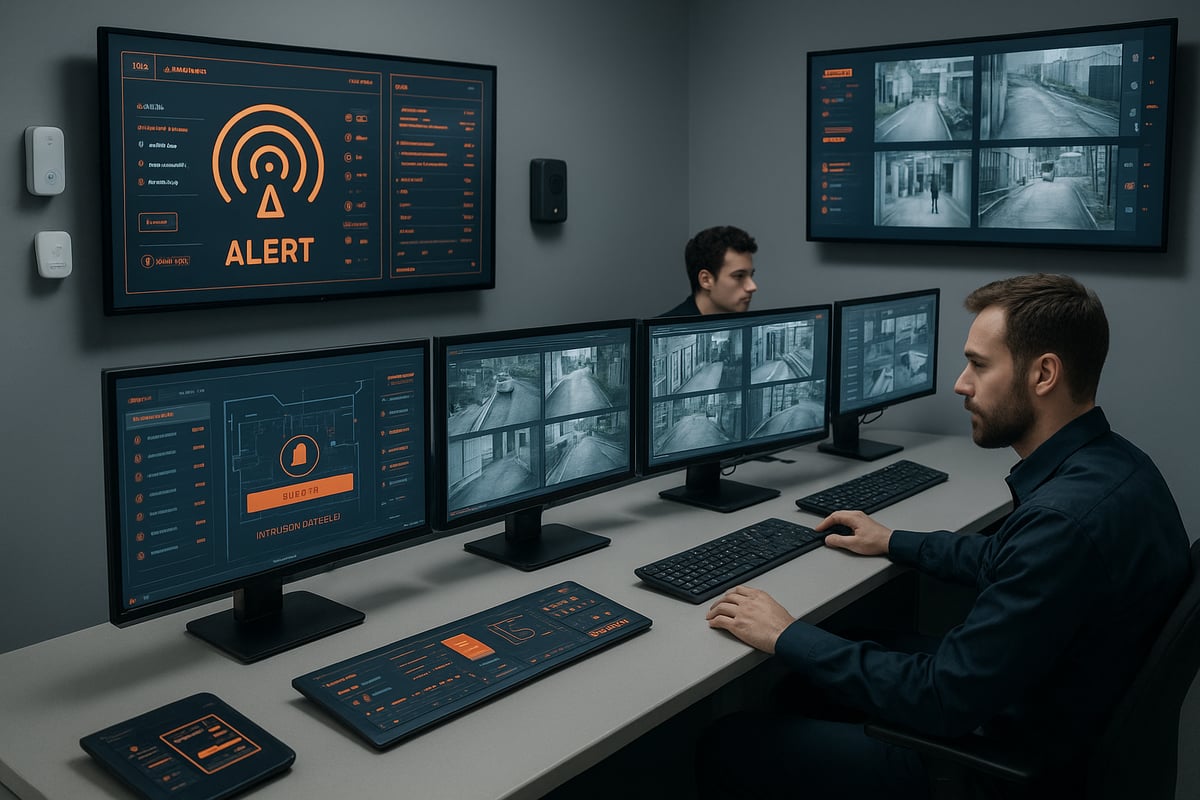
Alarm monitoring systems are integrated solutions designed to detect security threats, fire, or environmental hazards and ensure a rapid response. At their core, these systems rely on a network of sensors, a central control panel, secure communication channels, and a dedicated monitoring centre.
Key components include:
- Door and window sensors
- Motion detectors
- Control panels
- Communication modules (cellular, broadband)
- 24/7 monitoring facilities
There are two main approaches: self-monitored systems, which alert the property owner directly, and professionally monitored systems, where a team oversees alerts and coordinates emergency responses. For example, a 24/7 monitoring centre can instantly notify emergency services or keyholders, reducing response times and minimising loss. Real-time monitoring is vital for both residential and commercial properties, ensuring threats are dealt with promptly.
Types of Alarm Monitoring Systems
Alarm monitoring systems come in several forms to address different risks. Intruder alarm monitoring uses motion sensors and door or window contacts to detect unauthorised access. Fire alarm monitoring involves smoke, heat, and carbon monoxide detectors, providing early warning of life-threatening events. Environmental monitoring expands protection further, with sensors for flood, gas, or temperature changes.
Personal safety is addressed with panic and duress alarms, supporting rapid assistance during emergencies. Modern solutions often integrate with CCTV and access control systems for a layered approach, delivering both prevention and verification.
For example, commercial properties frequently use integrated systems to manage risks from theft and fire. To explore this topic further, see intruder alarm monitoring explained.
How Alarm Monitoring Works
Alarm monitoring systems operate through a clear sequence. When a sensor detects a threat, the system sends a signal to the monitoring centre via landline, cellular, broadband, or dual-path communication. Trained professionals assess the alert, determine its validity, and then take action, such as notifying property owners or dispatching emergency services.
Reliability is crucial. Providers like G4S and Clearway implement backup communication channels, ensuring alerts are always delivered, even if one pathway fails. This redundancy keeps protection uninterrupted at all times.
Many insurers recognise the effectiveness of alarm monitoring systems, offering reduced premiums for properties equipped with certified monitoring. Fast response and robust protocols not only protect assets but also support compliance with insurance and safety regulations.
Key Features and Benefits of Modern Alarm Monitoring
Modern alarm monitoring systems deliver a level of protection and peace of mind that far surpasses traditional security measures. By harnessing advanced technology, these solutions provide immediate, reliable responses to threats and help property owners stay ahead of evolving risks. Let us explore the core features and benefits that set these systems apart.

24/7 Real-Time Protection
With alarm monitoring systems, your property is safeguarded every hour of the day, including weekends and holidays. These systems never take a break, meaning any incident—such as a break-in, fire, or environmental hazard—is detected and addressed instantly.
For example, businesses benefit from continuous monitoring after hours, reducing the risk of vandalism or theft. According to industry data, alarm monitoring systems can significantly lower the average loss per burglary due to rapid response times. If you want to learn more about continuous protection, explore 24/7 alarm monitoring services for detailed insights.
Immediate alerts are sent to monitoring centres, who then coordinate a swift response with property owners or emergency services, ensuring threats are managed before they escalate.
Seamless System Integration
Today’s alarm monitoring systems are designed for seamless integration with other security solutions. Whether you have CCTV cameras, access control, or fire alarms, these systems can be unified on a single platform for easier management.
This integration streamlines emergency protocols and enhances situational awareness. For example, businesses can link alarm monitoring systems with smart building technology, allowing for real-time data sharing and automated responses.
The result is a cohesive security strategy where all components work together. This not only simplifies reporting but also ensures your property is protected from multiple risks at once.
Advanced Communication & Response Protocols
Reliability is paramount for alarm monitoring systems. Multiple communication channels—ADSL, TCP/IP, and mobile—ensure continuous connectivity. If one channel fails, automated backup systems maintain the link between your property and the monitoring centre.
Professional response teams are always on hand, trained to assess each alert and escalate incidents as needed. For instance, protocols established by major security providers guarantee efficient liaison with emergency services, improving outcomes during critical situations.
This robust communication framework makes alarm monitoring systems highly dependable, reducing downtime and ensuring immediate action when every second counts.
Insurance and Compliance Advantages
Alarm monitoring systems are often a prerequisite for insurance compliance, especially for commercial properties. Insurers frequently offer lower premiums to properties equipped with certified monitoring, recognising the reduced risk profile.
These systems also help ensure adherence to safety and security regulations, providing automated reporting for audits and claims. By investing in alarm monitoring systems, you not only protect your assets but also strengthen your business’s compliance and insurance standing.
Latest Alarm Monitoring Technologies for 2026
The landscape of alarm monitoring systems is evolving rapidly. In 2026, property owners and security professionals have access to a new generation of technologies that deliver smarter, faster, and more reliable protection. Let us explore the innovations shaping the future of alarm monitoring systems.
Smart Sensors and IoT Devices
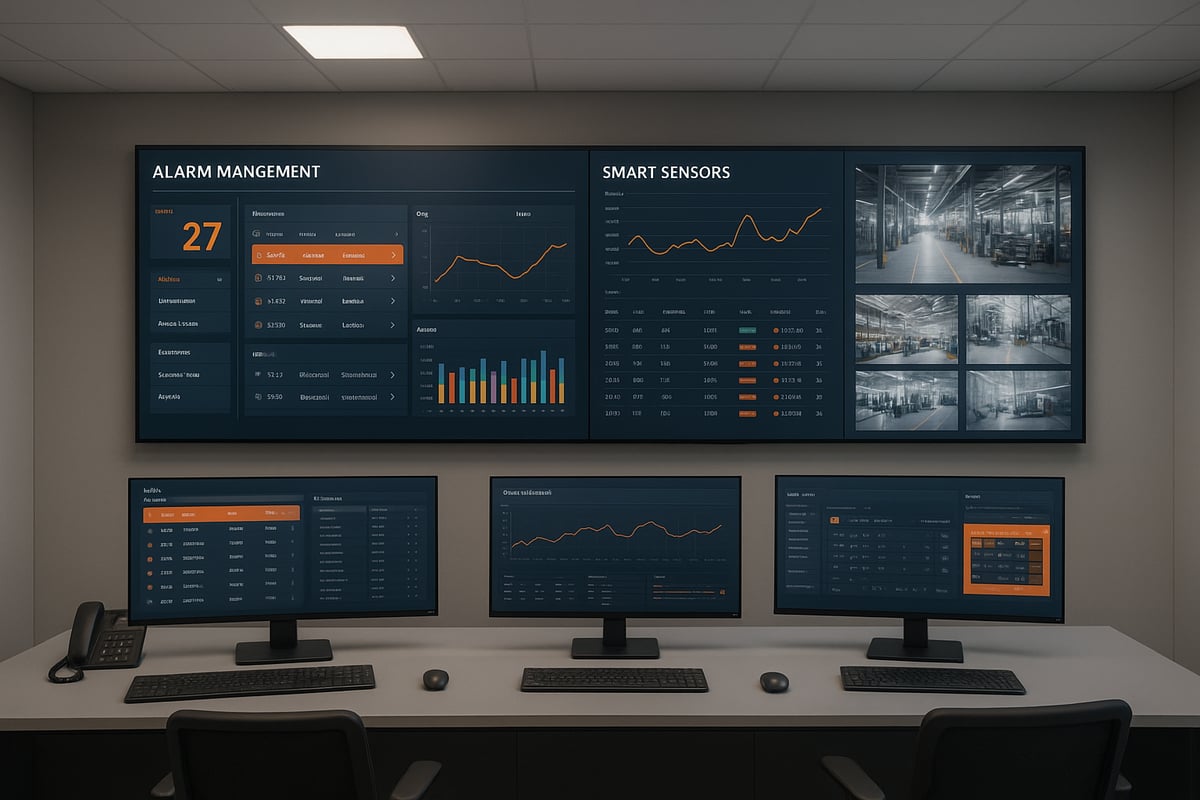
Alarm monitoring systems in 2026 rely on advanced smart sensors and IoT devices to detect threats with unprecedented accuracy. AI-powered motion detectors, glass-break sensors, and environmental monitors can identify everything from intrusions to fire and gas leaks.
Wireless and battery-powered options make installation flexible and suitable for diverse environments. For example, IoT-enabled alarms instantly send mobile notifications when triggered, allowing immediate action. These devices integrate seamlessly with alarm monitoring systems, ensuring comprehensive coverage across residential, commercial, and industrial properties.
The result is faster detection, fewer blind spots, and improved reliability for all users.
Cloud-Based Monitoring and Analytics
The shift to cloud-based solutions is transforming alarm monitoring systems. Secure cloud platforms provide remote access to live system status, alerts, and historical reports from any device, at any time.
Real-time data analytics help identify trends, vulnerabilities, and recurring incidents. Property managers can monitor multiple sites from a single dashboard, streamlining oversight and reducing administrative burden. For example, cloud technology enables instant notification to authorised staff when a threat is detected.
According to Alarm Monitoring Market Trends 2026-2035, cloud-based alarm monitoring systems are expected to see significant growth, driven by demand for scalability and remote management.
Automation and Artificial Intelligence
Automation and AI are central to the next generation of alarm monitoring systems. Automated workflows enable the system to detect, assess, and escalate threats without manual intervention.
AI algorithms reduce false alarms by distinguishing between genuine threats and harmless events, such as an animal passing by. In commercial settings, facial recognition and behavioural analytics help identify suspicious activity and prioritise urgent incidents.
This smart automation ensures alarm monitoring systems deliver rapid, targeted responses, maximising safety for occupants and property assets.
Enhanced Cybersecurity Measures
As alarm monitoring systems become more connected, robust cybersecurity has become essential. Encrypted communication channels protect against hacking and unauthorised access.
Providers issue regular software updates to maintain compliance with data protection standards and address vulnerabilities. Secure protocols, used by leading providers, safeguard both system data and user privacy.
By prioritising cybersecurity, alarm monitoring systems in 2026 offer peace of mind, ensuring that digital threats do not undermine physical security.
Step-by-Step Guide: Implementing an Alarm Monitoring System
Securing your premises with alarm monitoring systems requires a methodical approach. By following these five key steps, you ensure your property is protected by a robust, compliant, and future-proof solution.
1. Assess Your Security Needs
Begin by evaluating the unique requirements of your property. Consider its size, layout, usage, and specific risks such as theft, fire, or vandalism.
Consulting with security professionals can help you identify vulnerabilities that alarm monitoring systems should address. For example, a vacant property may need different sensors and protocols compared to a busy commercial site.
2. Select the Right System and Provider
With your risk assessment complete, compare self-monitored and professionally monitored alarm monitoring systems.
Investigate provider credentials, focusing on accreditations like NSI Gold, BAFE, and ISO certifications. Prioritise solutions that offer scalability, integration with other technologies, and responsive support. Clearway’s NSI Gold monitoring services are an example of high-standard provision.
3. System Design and Customisation
Carefully design your alarm monitoring systems by mapping out sensor placement and system architecture.
Integrate with existing security infrastructure, such as CCTV, access control, and fire detection. For tailored fire alarm integration, explore Fire alarm system integration to ensure seamless connectivity and compliance. Define custom alert protocols and escalation paths to match your operational needs.
4. Professional Installation and Testing
Ensure certified installers set up your alarm monitoring systems to meet industry standards and regulations.
Every component, from sensors to communication links, must be rigorously tested for reliability. Providers like G4S and Clearway emphasise thorough integration and validation, resulting in systems that function flawlessly from day one.
5. Ongoing Monitoring, Maintenance, and Upgrades
Regular maintenance is essential to prevent faults or false alarms in your alarm monitoring systems.
Schedule periodic checks of monitoring centre performance and response times. Stay ahead of evolving threats by upgrading hardware and software as needed. Proactive servicing, as demonstrated in Clearway’s case studies, reduces incidents and ensures continuous protection for your property.
Integrating Alarm Monitoring with Broader Security Strategies
Effective property protection in 2026 relies on more than just isolated security measures. Integrating alarm monitoring systems with wider security strategies creates a robust defence against evolving threats. By combining physical and electronic solutions, property owners can address vulnerabilities holistically and stay ahead of risks.
Combining Physical and Electronic Security
Physical barriers remain the first line of defence for many properties. Perimeter fencing, reinforced doors, and security gates deter unauthorised access. When these are paired with alarm monitoring systems, the response to breaches becomes immediate and coordinated.
- Fencing and barriers slow intruders
- Alarms detect and report incidents instantly
- Security patrols can be dispatched in real time
A layered approach, supported by data in the 2025 Safety Report, shows that sites with integrated physical and electronic security have significantly fewer successful breaches. This synergy is vital for vacant properties and high-risk commercial sites.
Linking with CCTV and Access Control
Alarm monitoring systems reach their full potential when integrated with CCTV and access control. Cameras provide visual verification, allowing operators to assess threats as soon as an alarm is triggered. This minimises false alarms and ensures a rapid, targeted response.
- CCTV feeds confirm incidents in real time
- Access control restricts movement during emergencies
- Automated lockdowns can be activated instantly
For example, some commercial premises use linked systems to automatically lock doors and alert security staff when a break-in is detected. Integration simplifies management and strengthens overall security posture.
Fire Safety and Environmental Monitoring
Alarm monitoring systems are not limited to intrusion. Fire alarms, smoke detectors, and environmental sensors for gas or flooding can be linked to provide comprehensive protection.
- Early fire detection ensures prompt evacuation and response
- Environmental monitoring prevents costly damage from leaks or temperature changes
- Multi-risk monitoring streamlines compliance with safety regulations
In commercial settings, combining these technologies reduces the risk of undetected hazards, offering peace of mind and regulatory assurance.
Compliance, Reporting, and Insurance
Meeting insurance and regulatory requirements is easier with integrated alarm monitoring systems. Automated reporting features help property managers document incidents and prove compliance during audits.
- Instant reports for insurance claims
- Adherence to standards such as NSI, BAFE, and BS EN 50131
- Insurers often provide lower premiums for monitored, compliant systems
A unified approach ensures that all aspects of security and safety are consistently managed, reducing administrative burden and supporting business continuity.
Logic Fire & Security: Your Trusted Alarm Monitoring Partner
Logic Fire & Security delivers bespoke alarm monitoring systems for commercial, industrial, and public sector clients across the UK. Accredited by BAFE, NSI Gold, and ISO, their solutions ensure compliance at every stage.

From risk assessment and custom system design to professional installation and 24/7 monitoring, Logic Fire & Security provides end-to-end service. Their nationwide support and rapid response teams make them the preferred partner for organisations seeking integrated fire and security solutions tailored to their needs.
Frequently Asked Questions about Alarm Monitoring Systems
Whether you are new to alarm monitoring systems or considering an upgrade, several common questions arise. Here are concise answers to the most frequently asked queries:
- How do alarm monitoring systems differ from stand-alone alarms?
Monitored systems connect to a remote centre for real-time response, while stand-alone alarms only alert locally. - What types of alarms can be monitored?
Options include intruder, fire, flood, gas, and environmental sensors, offering comprehensive protection. - Can existing systems be upgraded?
Yes, many older alarms can be adapted for monitoring with modern communication modules. - Are there insurance benefits?
Most insurers offer premium discounts for professionally monitored systems.
For more detailed answers, visit the Alarm monitoring frequently asked questions resource.
As we have explored, staying ahead of security threats in 2026 is all about making informed choices and integrating the right technology to protect your property. Whether you are responsible for a commercial building, manage multiple sites, or simply want peace of mind at home, having an expertly designed and professionally monitored alarm system can make all the difference. If you are ready to take the next step towards safeguarding your assets with a tailored solution, why not Get a Free Site Survey? We are here to help you assess your needs and recommend the best approach for lasting security.