

In 2026, the urgency for robust security fire protection is more apparent than ever. Recent high-profile fire incidents have caused significant damage to both businesses and communities, highlighting the financial and social impacts of inadequate preparation.
Modern fire risks are growing more complex due to advanced building materials, integrated technologies, and the unpredictable effects of climate change. This evolving landscape demands proactive and comprehensive strategies to protect lives, assets, and ensure legal compliance.
This guide offers practical, up-to-date advice on essential security fire protection strategies for 2026. We will cover risk assessment, regulatory compliance, detection systems, integrated solutions, staff training, and maintenance best practices.
Understanding Modern Fire Risks and Threats
The landscape of security fire protection is rapidly changing as new threats and vulnerabilities emerge in 2026. Understanding these evolving risks is crucial for businesses and public facilities aiming to protect lives, assets, and reputation.
Evolving Fire Hazards in 2026
Modern construction and technology are reshaping fire risk profiles. New building materials, such as composite cladding and modular components, can alter fire spread patterns. Smart technologies and IoT devices, while improving efficiency, introduce additional ignition points and complexity.
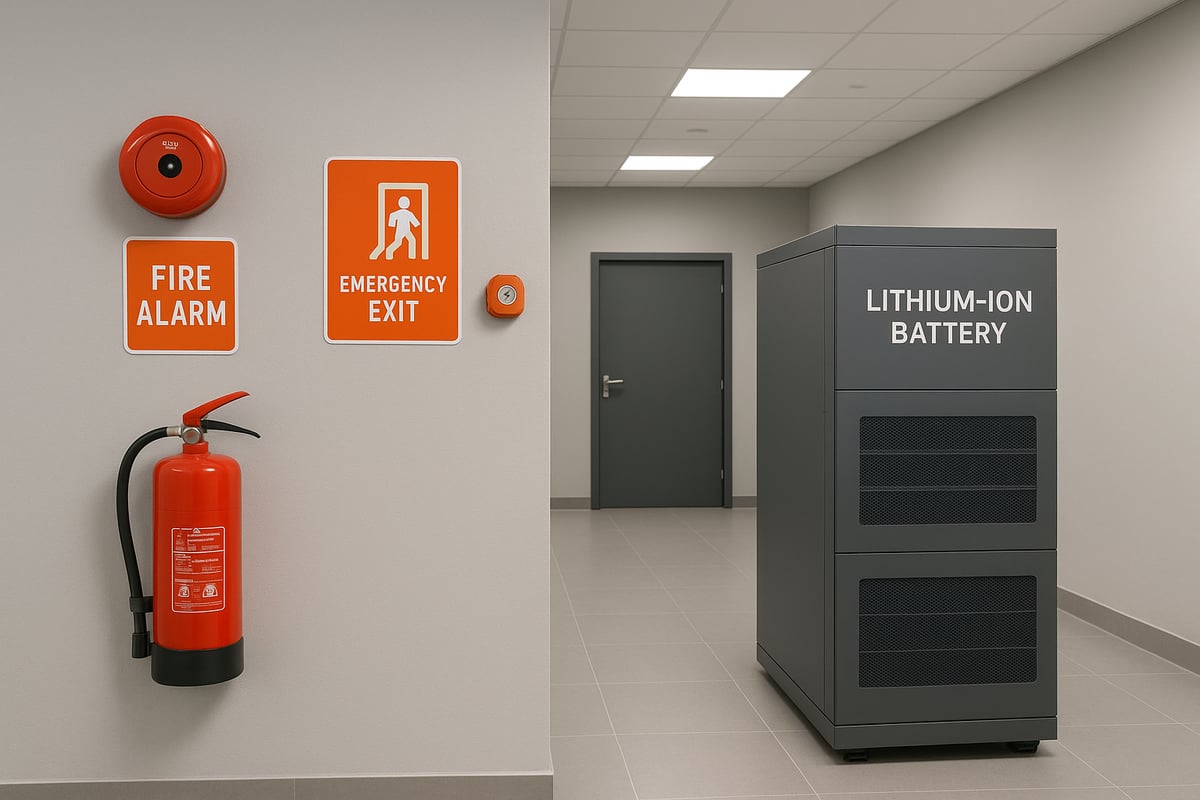
The prevalence of lithium-ion batteries in everything from EV charging bays to warehouse storage has led to an uptick in battery-related fires. Renewable energy systems, like rooftop solar panels, bring unique fire suppression challenges. Climate change is also driving longer, hotter summers and an increase in urban wildfires, placing new demands on security fire protection strategies.
Remote working and hybrid office trends have changed occupancy patterns, sometimes leaving areas unsupervised or overcrowded. According to the Fire and Rescue Incident Statistics, Year Ending June 2025, fire incidents in UK commercial buildings rose by 8 percent from 2023 to 2025. A notable example is the logistics centre fire caused by overloaded battery storage, emphasising the need for modern fire risk assessment.
Common Security Vulnerabilities in Fire Protection
Despite technological progress, several vulnerabilities persist in security fire protection. Many businesses still rely on legacy alarm and detection systems that may not integrate smoothly with modern access control or CCTV solutions.
Key vulnerabilities include:
- Gaps in system integration, delaying coordinated emergency response.
- Insider threats such as sabotage or negligence, including improper storage of flammable materials.
- Overlooked high-risk zones, like server rooms and plant infrastructure.
A frequent issue involves fire doors left propped open, which undermines compartmentation and allows smoke and flames to spread rapidly. Without regular audits and staff awareness, these vulnerabilities can compromise even the most advanced security fire protection measures.
The Cost of Inadequate Fire Security
Failing to invest in robust security fire protection can have severe financial and reputational consequences. Direct losses include property damage, costly insurance claims, and business interruption. The aftermath of a fire often extends to legal action and reputational harm, especially if non-compliance with fire safety regulations is identified.
According to ABI data, the average cost of a major commercial fire in the UK exceeded £2.4 million in 2025. Beyond the immediate financial impact, businesses may face regulatory penalties and loss of client trust.
A comprehensive approach to security fire protection, including risk assessment, system upgrades, and ongoing staff training, is essential to mitigate these risks and ensure business continuity.
Regulatory Compliance and Standards for 2026
Meeting regulatory standards is at the heart of effective security fire protection. In 2026, the landscape is shaped by evolving legislation, new obligations for duty holders, and a growing emphasis on digital compliance. Staying up to date is not just a legal requirement, but a cornerstone of responsible risk management.
Key UK Fire Safety Legislation
Several core regulations define the security fire protection requirements for UK organisations. The Regulatory Reform (Fire Safety) Order 2005 remains central, updated by amendments in 2023 and 2025. The Fire Safety Act 2021 has expanded responsibilities for multi-occupancy buildings, while the Building Safety Act 2022 introduces new obligations for duty holders and “Accountable Persons”.
BS 5839-1:2017 +A1:2024 sets the latest standards for fire detection and alarm systems, ensuring modern systems are robust and reliable. Enforcement is real: recent cases in public sector buildings have seen significant penalties for non-compliance, highlighting the importance of maintaining high standards in security fire protection.
Emerging Compliance Requirements
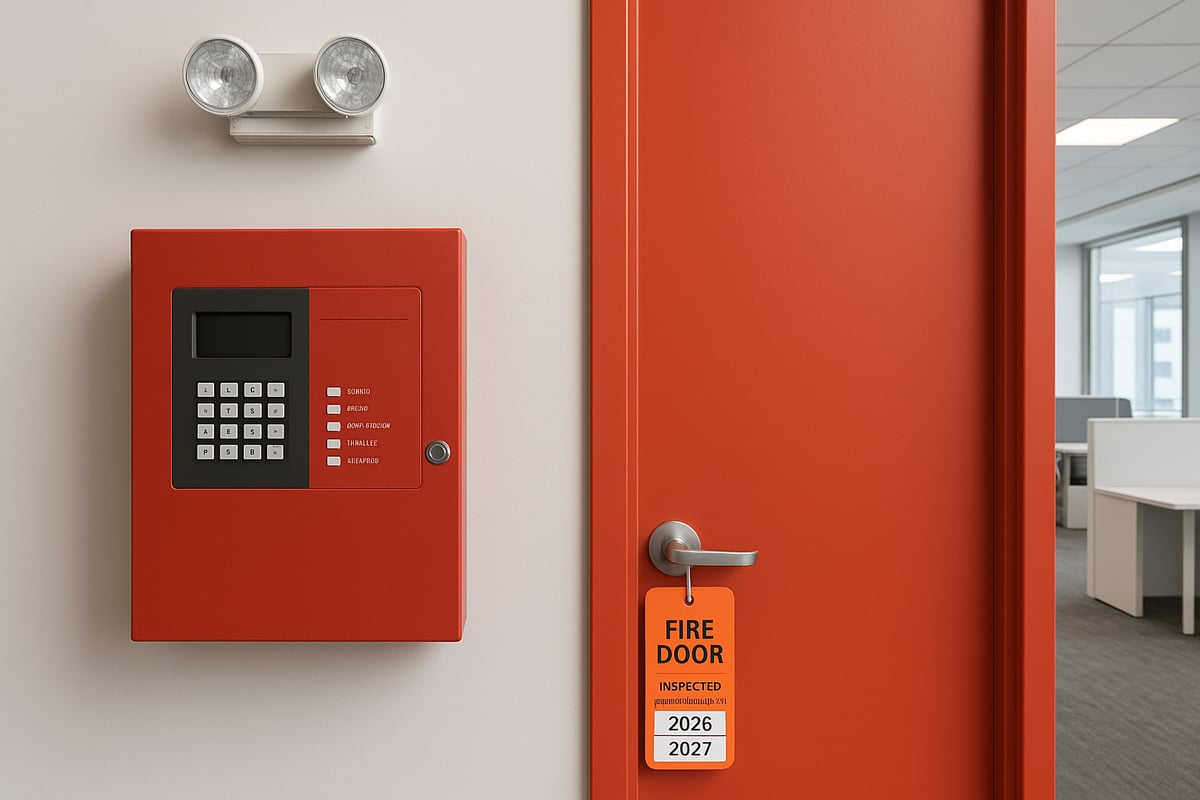
Compliance is evolving rapidly, with digital record-keeping now mandated for fire risk assessment logs. Authorities expect third-party certification for all installers and maintainers, ensuring only qualified professionals handle critical systems. There is a strong focus on regular fire door inspections and emergency lighting checks, both vital for legal and operational safety.
According to a 2025 FPA survey, 64% of businesses identified compliance as their top fire safety challenge. Overlooking these new requirements can result in costly enforcement actions. For detailed guidance on inspection protocols, refer to the fire door inspection requirements, which are integral to comprehensive security fire protection strategies.
Best Practice for Meeting Compliance
Proactive management is key to achieving and maintaining compliance in security fire protection. Annual fire risk assessments should be conducted, and all maintenance and inspection records kept in detail. Engage certified professionals for system installation, testing, and maintenance, ensuring every aspect meets current standards.
Implementing a compliance calendar helps organisations avoid missed deadlines and last-minute scrambles. By embedding these best practices, you protect your people, assets, and reputation, while meeting all legal obligations for security fire protection.
Essential Fire Detection and Suppression Technologies
The technological landscape of security fire protection has evolved rapidly, offering innovative solutions for early detection and effective response. For 2026, the right combination of advanced systems is vital to safeguarding assets, ensuring compliance, and protecting lives.
Advanced Fire Detection Systems
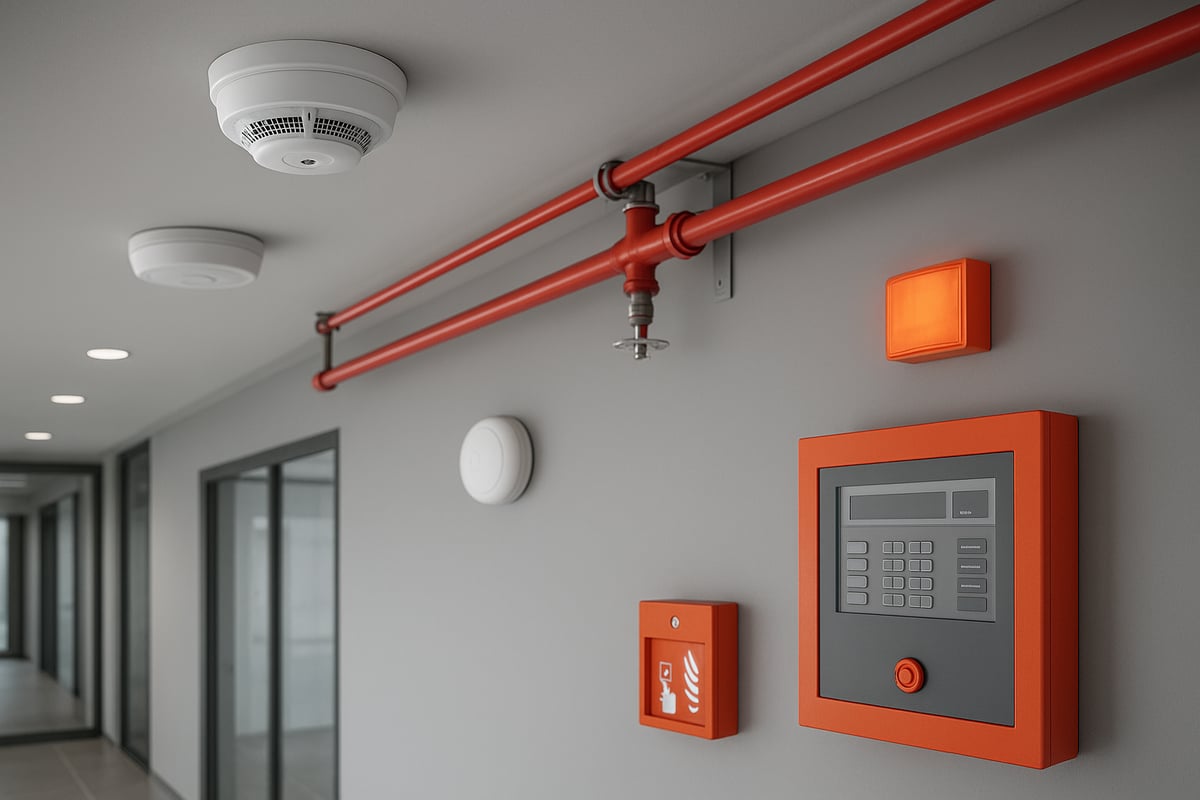
Modern fire detection forms the backbone of any security fire protection strategy. Addressable fire alarm systems are now preferred in large or complex sites, as each device has a unique address, enabling precise identification of the alarm source. In contrast, conventional systems group devices, making pinpointing an incident slower and less accurate.
| Feature | Addressable System | Conventional System |
|---|---|---|
| Device Location | Precise | Zonal |
| Scalability | High | Limited |
| Cost | Higher | Lower |
| Maintenance Ease | Easier | Moderate |
Wireless fire alarm solutions are gaining traction, especially in flexible or heritage spaces, where cabling is impractical. These systems can be deployed quickly and adapt to changing layouts.
Smart sensors now use AI and IoT integration to detect smoke, heat, or unusual patterns far earlier than traditional detectors. Integration with building management systems allows instant alerts, remote monitoring, and swift intervention. For example, UK retail chains utilising AI-based smoke detection have seen a significant reduction in false alarms and improved security fire protection outcomes.
Fire Suppression Solutions for Modern Risks
Selecting the right suppression system is critical for comprehensive security fire protection. Sprinkler systems remain the most common, with options including wet, dry, and pre-action types tailored to specific environments. Wet systems are standard for offices, while dry and pre-action suit cold storage or areas with sensitive equipment.
Gas suppression systems are essential in server rooms and data centres, where water could cause irreparable damage. Kitchen suppression systems, usually based on wet chemicals, are designed for commercial kitchens to handle grease fires effectively.
Portable extinguishers, selected by fire class, should be strategically placed and staff trained in their use. According to UK Fire and Rescue Services in 2025, 82% of fires controlled by sprinklers were contained to the room of origin, highlighting their effectiveness.
For further details on choosing and maintaining the right suppression technology, see Fire suppression system solutions.
Integrated Emergency Response Systems
A robust emergency response system is a core component of security fire protection. Voice evacuation and public address systems provide clear instructions, reducing confusion and aiding swift egress during emergencies.
Emergency lighting ensures safe evacuation routes, especially in the event of power failure. Disabled refuge systems, including call points and communication devices, make evacuation inclusive for all occupants.
Many modern office complexes have adopted integrated alert and evacuation systems, allowing coordinated responses across multiple floors. These systems improve overall preparedness, reduce evacuation times, and ensure that security fire protection measures are effective in real-world scenarios.
Integrating Security and Fire Protection for Complete Safety
In 2026, security fire protection is no longer just about isolated alarms or sprinklers. True resilience demands a unified approach, where detection, response, and ongoing monitoring work seamlessly together. Integration ensures threats are identified faster, responses are coordinated, and critical assets remain protected.

The Case for Unified Security and Fire Systems
Integrating fire detection with access control and CCTV delivers a host of benefits for organisations. With a unified security fire protection platform, incidents are detected earlier and staff receive coordinated real-time alerts. This approach reduces false alarms and supports rapid, informed decision-making.
Key advantages include:
- Faster identification of genuine threats and automatic initiation of evacuation or lockdown protocols.
- Improved situational awareness, as data from alarms, cameras, and access points is combined.
- Streamlined compliance, making it easier to demonstrate adherence to fire alarm system standards.
For example, many hospitals now use integrated systems to trigger immediate lockdowns and safe evacuations, ensuring patient and staff safety even in the most complex scenarios.
Choosing the Right Security Fire Protection Partner
Selecting a partner for security fire protection is a critical decision. Certified, experienced providers ensure that systems are designed, installed, and maintained in line with current regulations and evolving risks.
When evaluating potential partners, consider:
- Their technical expertise and track record with similar projects.
- Support offerings, including 24/7 monitoring and rapid response.
- Credentials for compliance, such as third-party certifications.
Ongoing maintenance and monitoring contracts are essential. These agreements keep systems up to date, ensure all components work as intended, and help your business remain audit-ready.
Logic Fire and Security: Trusted Solutions for 2026
Logic Fire and Security is recognised across the UK for its expertise in advanced security fire protection solutions. The company offers national coverage and deep experience with complex, multi-site projects for both commercial and public sector clients.
Clients benefit from:
- Bespoke design, installation, and maintenance of integrated systems.
- 24/7 monitoring and instant incident response.
- Full compliance support, ensuring every system meets or exceeds legal standards.
By choosing a trusted partner like Logic Fire and Security, organisations can safeguard people, assets, and reputations in an increasingly complex risk landscape.
Staff Training, Emergency Planning, and Maintenance Best Practices
A robust security fire protection strategy relies on more than just advanced systems; it thrives on a well-prepared team, effective emergency planning, and disciplined maintenance routines. Building a proactive culture around fire safety ensures everyone understands their role in preventing incidents and responding swiftly if one occurs.
Building a Fire-Safe Culture
Embedding security fire protection into daily practices starts with comprehensive staff training. Regular fire safety sessions, both classroom-based and hands-on, empower employees to identify hazards and react appropriately. Assigning clear roles, such as fire wardens, marshals, and first responders, ensures accountability during emergencies.
For instance, a manufacturing plant that conducted annual drills reduced its evacuation time by 40 percent. This improvement shows the value of rehearsal and role clarity. Keeping staff informed about the latest incident trends is crucial—reviewing resources like 5 Takeaways from the Latest UK Fire Incident Statistics can help teams understand evolving threats and enhance vigilance.
A culture of security fire protection encourages staff to report concerns and participate actively in creating a safer workplace.
Developing and Testing Emergency Plans
Effective emergency plans are the backbone of security fire protection. These plans should be tailored to each site, addressing specific risks and layouts. Collaboration with local fire and rescue services ensures your procedures align with best practices and response capabilities.
After any drill or real event, review and update plans to incorporate new learnings. The FPA’s 2025 survey found 72 percent of businesses refreshed their emergency plans following a fire drill, highlighting the importance of regular testing. Plans should include:
- Clear evacuation and lockdown procedures
- Designated assembly points
- Communication protocols for all staff
Continuous improvement in emergency planning is vital for maintaining strong security fire protection and keeping response times low.
Maintenance and Continuous Improvement
Ongoing maintenance is essential for reliable security fire protection. Schedule regular inspections of fire alarms, extinguishers, and suppression systems to ensure all equipment functions as intended. Keeping up with technology upgrades and regulatory changes minimises risk and supports compliance.
Digital tools, such as cloud-based maintenance logs, make it easier to track servicing and demonstrate readiness during audits. Consulting expert resources like Fire risk assessment guidance can help structure your inspection routines and documentation.
Commit to continuous improvement by analysing incident reports and updating processes accordingly. This approach safeguards your organisation and reinforces a culture of security fire protection.
As you look ahead to 2026, staying ahead of evolving fire risks and meeting new compliance standards is more important than ever. Making informed choices about your fire and security systems can be the difference between peace of mind and costly setbacks. If you’re ready to take proactive steps—whether it’s reviewing your current setup, understanding the latest technologies, or ensuring your business is fully protected and compliant—we’re here to help. You don’t have to tackle this alone. Let’s start by ensuring your site is as secure as possible with a tailored assessment.
Get a Free Site Survey