

With security threats becoming more advanced every year, protecting your property demands more than just basic measures. In 2026, choosing the right security alarm equipment is crucial for keeping your assets safe and your mind at ease.
This guide gives you a clear, expert overview of the latest trends, technologies, and best practices in security alarm equipment. You will discover new innovations, learn how to select the best system for your needs, and understand how to integrate alarms with smart building solutions.
Ready to make informed decisions and secure your premises for the future? Let’s explore the essential insights you need for robust protection.
Security Alarm Equipment Trends and Innovations for 2026
With the security alarm equipment landscape rapidly evolving, 2026 promises significant advancements. New threats and regulatory shifts are driving both innovation and adoption of cutting-edge solutions. Understanding these trends is crucial for anyone aiming to secure property effectively in the years ahead.
Evolving Threat Landscape and Industry Drivers
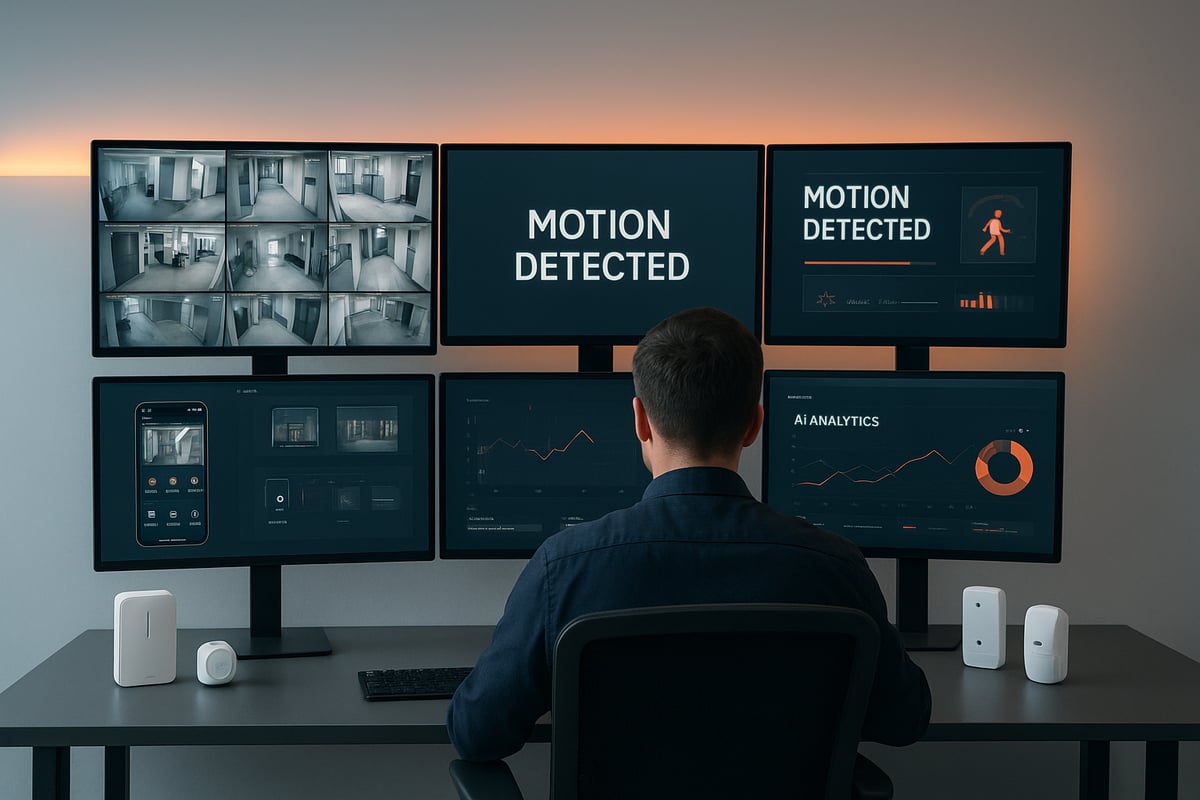
Security threats are becoming more sophisticated, with a notable increase in both physical and cyber-physical incidents. The demand for hybrid security alarm equipment is rising, blending traditional and digital defences. Regulatory bodies are updating equipment standards to address emerging risks, while businesses seek cloud-based management for greater flexibility.
Recent figures reveal a 7% rise in UK commercial property crime in 2025, highlighting the need for robust security alarm equipment. These factors are pushing organisations to review and upgrade their protection strategies.
Smart Alarm Systems and AI Integration
Artificial intelligence is transforming security alarm equipment in 2026. AI-powered threat detection enables systems to identify unusual patterns and trigger automated responses faster than ever before. Machine learning algorithms are also helping to reduce false alarms, making monitoring more reliable.
Predictive maintenance is another breakthrough, allowing systems to self-diagnose and alert users before faults occur. For more on how AI is shaping the field, see AI-driven analytics in modern CCTV systems. These innovations are setting new benchmarks for efficiency and effectiveness in security alarm equipment.
Wireless and IoT-Enabled Devices
The shift from wired to wireless security alarm equipment is accelerating. Wireless components simplify installation, support scalability, and enable remote management. The integration of IoT sensors means real-time monitoring and instant alerts, providing a more agile response to threats.
For example, wireless PIR sensors now connect seamlessly with mobile apps, offering users instant control and notifications wherever they are. This trend is making advanced security alarm equipment more accessible for businesses of all sizes.
Sustainability and Energy Efficiency
Sustainability is a growing priority in the security alarm equipment market. Manufacturers are designing eco-friendly devices with low power requirements and longer lifespans. Solar-powered options are becoming more popular, particularly for remote or off-grid locations.
Compliance with green building standards is influencing purchasing decisions. Organisations are seeking security alarm equipment that not only protects assets but also aligns with sustainability goals.
Enhanced User Interfaces and Mobile Control
User interfaces for security alarm equipment are becoming far more intuitive. Touchscreen panels, voice activation, and comprehensive mobile app controls are now standard features. Remote arming, disarming, and real-time event notifications empower users to manage security systems from anywhere.
Statistics show a 40% increase in mobile app usage for system control in 2025, reflecting the shift towards flexible, user-centric solutions. This enhanced accessibility ensures security alarm equipment remains effective and easy to operate.
Types of Security Alarm Equipment Explained
Choosing the right security alarm equipment is vital for effective protection. Understanding the range of available devices helps property owners tailor systems to specific risks and environments.
Intruder Alarm Systems
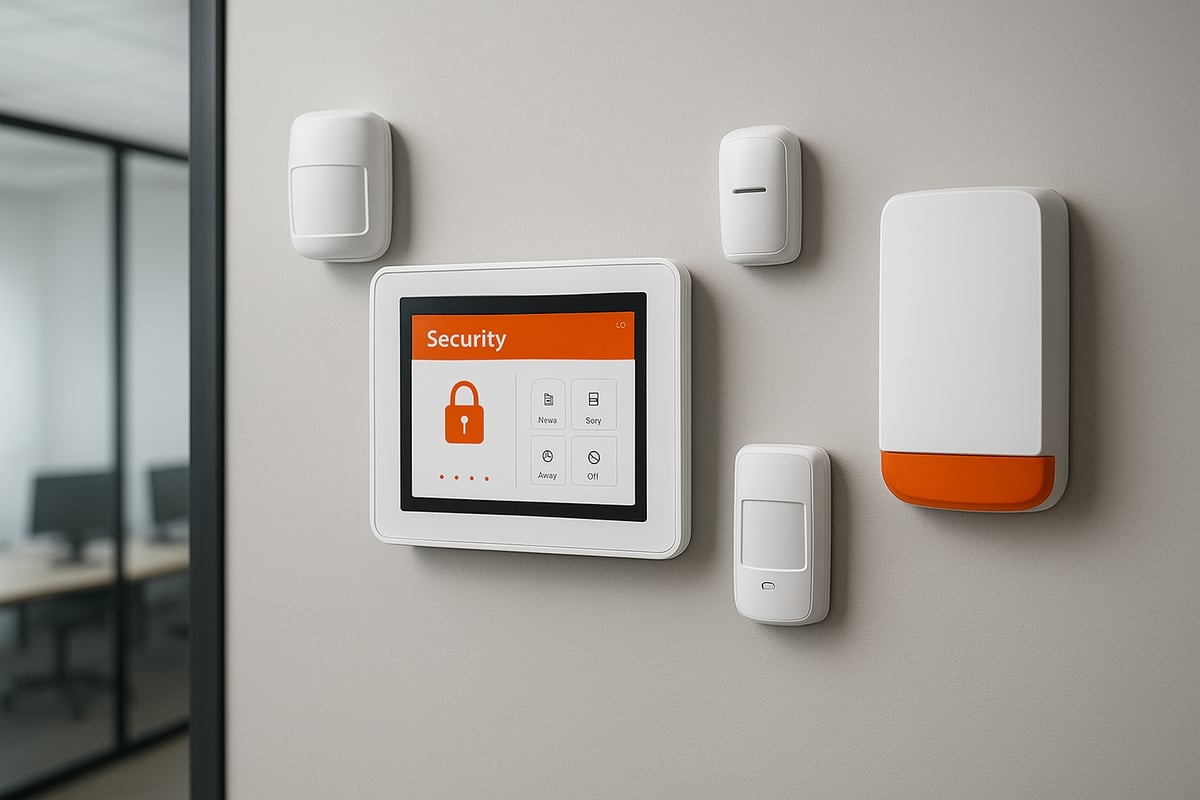
Intruder alarm systems remain the core of security alarm equipment, offering various configurations to suit different premises. Conventional systems use hardwired circuits, while addressable systems provide pinpoint identification of triggered zones, ideal for large commercial sites. Hybrid systems combine both approaches, delivering flexibility for upgrades and expansion.
| System Type | Best For | Pros | Cons |
|---|---|---|---|
| Conventional | Small businesses, homes | Cost effective, simple | Less scalable |
| Addressable | Large/commercial sites | Detailed alerts, efficient | Higher initial cost |
| Hybrid | Mixed environments | Flexible, future proof | Complex setup |
For a deeper dive into these options, review this Intruder Detection Systems Overview.
Perimeter and Environmental Sensors
Perimeter sensors are essential elements of security alarm equipment, safeguarding doors, windows, and vulnerable entry points. Common devices include door contacts, glass break detectors, and vibration sensors. Environmental sensors, such as smoke, gas, and flood detectors, add an extra layer of safety.
Integrating multiple sensor types ensures comprehensive monitoring. For instance, combining vibration and glass break sensors can greatly improve detection in high risk zones.
Motion Detectors and Surveillance Integration
Motion detection is a crucial aspect of security alarm equipment, using technologies like passive infrared (PIR), microwave, or dual technology sensors. Dual technology devices, which blend PIR and microwave detection, reduce false alarms by up to 60 percent.
Modern systems often integrate motion detectors with CCTV and lighting, enabling automatic recording and illumination when movement is detected. This seamless approach strengthens overall site security.
Control Panels and Communication Devices
At the heart of every security alarm equipment setup lies the control panel. Touchscreen interfaces and wireless hubs have become standard, allowing intuitive system management.
Communication modules—GSM, IP, or dual path—ensure alerts reach users and monitoring centres reliably. Redundancy is essential for failover, so equipment continues functioning in the event of a network or power issue.
Sirens, Strobes, and Alert Devices
Sirens and strobes act as both deterrents and notification devices in security alarm equipment. Internal and external sirens emit loud audible warnings, while strobe lights provide strong visual signals.
Choosing equipment that complies with local noise regulations is important, especially for urban or densely populated areas. Visual alerts can also assist emergency responders in locating incidents quickly.
Step-by-Step Guide: Selecting the Right Alarm System for Your Needs
Choosing the right security alarm equipment for your property is a process that requires careful planning. Each step ensures your investment delivers maximum protection, compliance, and value. Follow this guide to navigate the key considerations when selecting your ideal system.
Step 1: Assessing Security Risks and Requirements
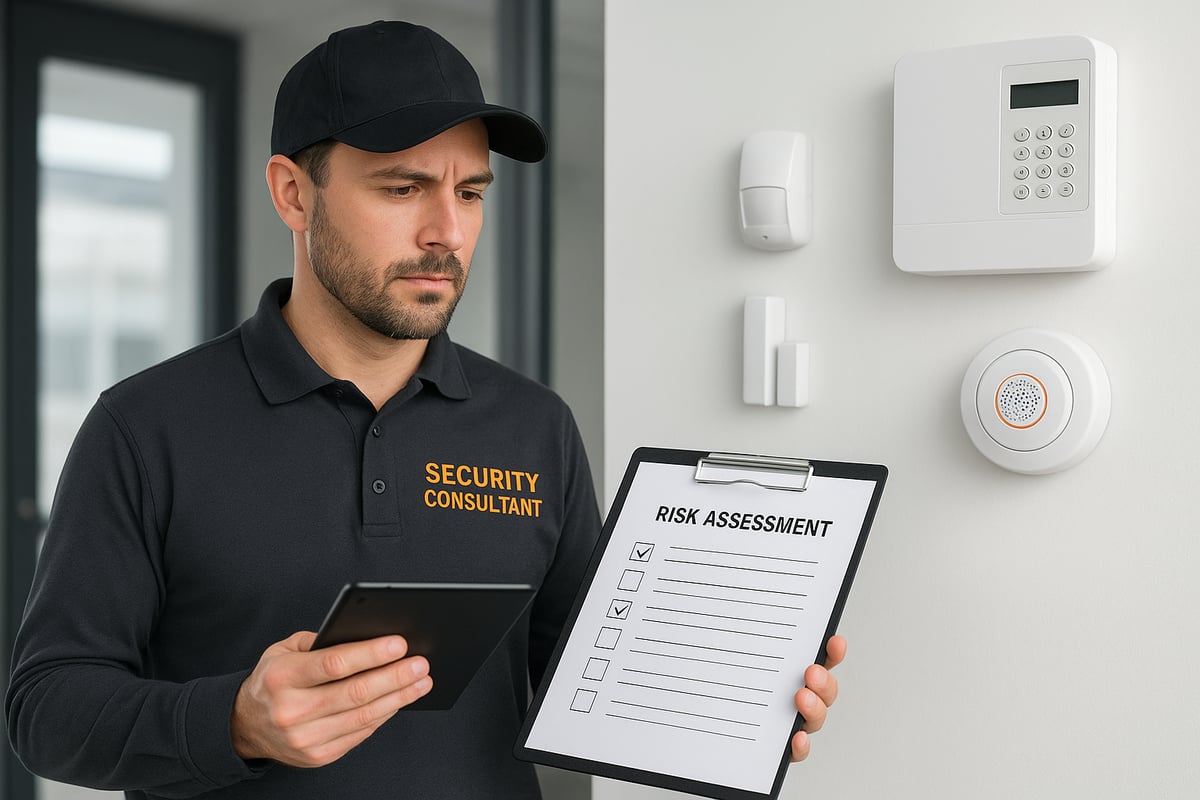
Begin by thoroughly evaluating your building and assets. Identify all vulnerable entry points, such as doors, windows, and loading bays. Consider the types of threats your property may face, from unauthorised access to environmental hazards.
Tailor your security alarm equipment to your specific risks. For instance, an office may require different coverage compared to a warehouse storing high-value goods. A detailed risk assessment helps ensure the system design matches your operational needs.
Step 2: Understanding Regulatory and Insurance Requirements
Compliance is essential when choosing security alarm equipment. Review UK security standards, such as those detailed in the BS EN 50131 security standards, to confirm your chosen system meets legal obligations.
Additionally, check your insurance policy for minimum alarm grades. High-value properties may need Grade 3 systems. Meeting these requirements supports claims and avoids penalties, making regulatory understanding a crucial step.
Step 3: Comparing Equipment Features and Specifications
Next, compare the technical features of different security alarm equipment options. Look at detection range, sensor types, communication protocols, and scalability. Prioritise systems with manufacturer certifications and robust warranties.
Consider whether a wired or wireless system suits your premises. For example, wireless solutions offer flexibility, while wired systems may provide enhanced reliability. Evaluating these factors ensures your chosen equipment is fit for purpose.
Step 4: Budgeting and Total Cost of Ownership
Your investment in security alarm equipment should balance upfront costs and long-term value. Calculate expenses for hardware, installation, and ongoing maintenance.
Analyse the benefits of advanced features like remote monitoring or smart integrations. Sometimes, higher initial costs yield significant savings through reduced false alarms or improved response times. A thorough cost-benefit analysis supports informed decision-making.
Step 5: Professional vs. DIY Installation
Deciding between professional and DIY installation affects the reliability of your security alarm equipment. Professional installers ensure compliance with legal standards, offer expert advice, and provide future maintenance.
DIY systems may suit smaller or less complex sites but can lack the support and reliability of accredited installers. Weigh up your specific needs, risk profile, and technical expertise before making a final choice.
Integrating Security Alarm Equipment with Smart Building Solutions
The integration of security alarm equipment with smart building solutions is transforming the way organisations safeguard their assets. Bringing together alarms, CCTV, and other security systems under one ecosystem delivers both convenience and enhanced protection.
Advantages of Integrated Security Ecosystems
Integrated security alarm equipment enables unified management of alarms, CCTV, fire safety, and access control systems. This centralised approach streamlines monitoring, making it easier to respond rapidly to incidents. For example, when an alarm is triggered, linked cameras and access points can be activated instantly, providing security teams with real-time information.
Key benefits of system integration include:
- Single interface for all security devices
- Automated event responses and notifications
- Enhanced situational awareness for security staff
Integration with building management systems (BMS) further boosts operational efficiency.
Connectivity with Home and Business Automation
Modern security alarm equipment can be connected to lighting, HVAC, and smart locks, creating a responsive environment. Scenario-based automation, such as activating an “away mode,” can arm alarms and adjust lighting to deter intruders when the property is vacant.
Automated lighting schedules and remote system control help maintain a visible presence, especially during holidays. Integration with remote CCTV monitoring platforms allows for proactive threat detection and incident verification, further enhancing automated security response.
Data Security and Privacy Considerations
As security alarm equipment becomes more connected, robust data security is essential. Secure, encrypted communication modules protect signals between devices, reducing vulnerability to cyber threats.
Organisations must ensure compliance with GDPR and other privacy regulations when handling alarm data. Storing information securely and limiting access to authorised personnel helps maintain both privacy and regulatory compliance.
Future-Proofing Your Security Infrastructure
Selecting modular security alarm equipment means your system can adapt as technology evolves. Scalable platforms allow for seamless upgrades, whether adding new sensors or integrating emerging smart technologies.
Preparing for future advancements, such as 5G connectivity and edge computing, ensures your investment remains resilient. Compatibility with new automation solutions keeps your security infrastructure relevant for years to come.
Logic Fire and Security: Trusted UK Security Solutions
Logic Fire and Security are specialists in integrated security alarm equipment for commercial and public sector clients across the UK. Their expertise covers the full project lifecycle, from initial risk assessment and system design to installation, monitoring, and ongoing support.
As an accredited provider, Logic Fire and Security deliver bespoke solutions tailored to your operational needs. For more information on how integrated systems can benefit your business, explore their Commercial Security Systems Solutions page.
Best Practices for Alarm System Maintenance and Monitoring
Regular maintenance of security alarm equipment is essential for long-term reliability and effective protection. By following best practices, you can ensure your system is always ready to respond, remains compliant with regulations, and delivers maximum value.
Routine Inspection and Testing Protocols
Consistent inspections are the backbone of effective security alarm equipment performance. Schedule monthly checks to verify that all sensors, control panels, and communication links are operating correctly. Annual comprehensive testing should include backup power supplies and signal transmission paths.
A structured testing schedule reduces the risk of false alarms and ensures prompt detection of faults. Document each inspection in a maintenance log for future reference and compliance.
Upgrading and Replacing Outdated Equipment
Over time, components may show signs of wear or become obsolete. Upgrade to the latest control panels or smart hubs to benefit from new features and improved reliability. Replacing outdated sensors can enhance detection accuracy and reduce maintenance demands.
Regularly assess your system against current standards and manufacturer recommendations. Modernising your equipment not only improves security but also extends the lifespan of your investment.
24/7 Monitoring and Rapid Response Strategies
Continuous monitoring is vital for timely intervention during emergencies. Engaging a professional service for 24/7 Intruder Alarm Monitoring ensures your security alarm equipment is supervised at all times. These services rapidly verify alarms and coordinate emergency responses, significantly reducing incident impact.
Remote monitoring can improve response times by up to 30 percent, providing peace of mind that your property is always protected.
User Training and Incident Reporting
Proper training empowers users to operate alarm systems confidently and respond effectively to alerts. Regular staff sessions on arming, disarming, and handling faults are recommended.
Maintain detailed incident logs, recording every activation and response. These records support insurance claims and help identify areas for procedural improvement.
Compliance with Legal and Insurance Obligations
Maintaining your security alarm equipment according to UK regulations is critical for legal and insurance purposes. Keep up-to-date records of inspections, maintenance, and any upgrades for audit readiness.
Non-compliance can lead to fines or invalidated insurance policies. By prioritising routine documentation and adherence to standards, you secure both your property and your legal standing.
After exploring the latest trends and practical steps in choosing the right security alarm equipment for 2026, you might be considering how these insights apply to your own property or business. It can be challenging to assess your unique needs and navigate new technologies, but you don’t have to do it alone. At Logic Fire and Security, we specialise in tailored solutions—from initial assessment to ongoing maintenance—ensuring your site stays compliant and protected. If you’d like expert advice and a clear sense of what’s best for you, why not Get a Free Site Survey and take the next step towards peace of mind?